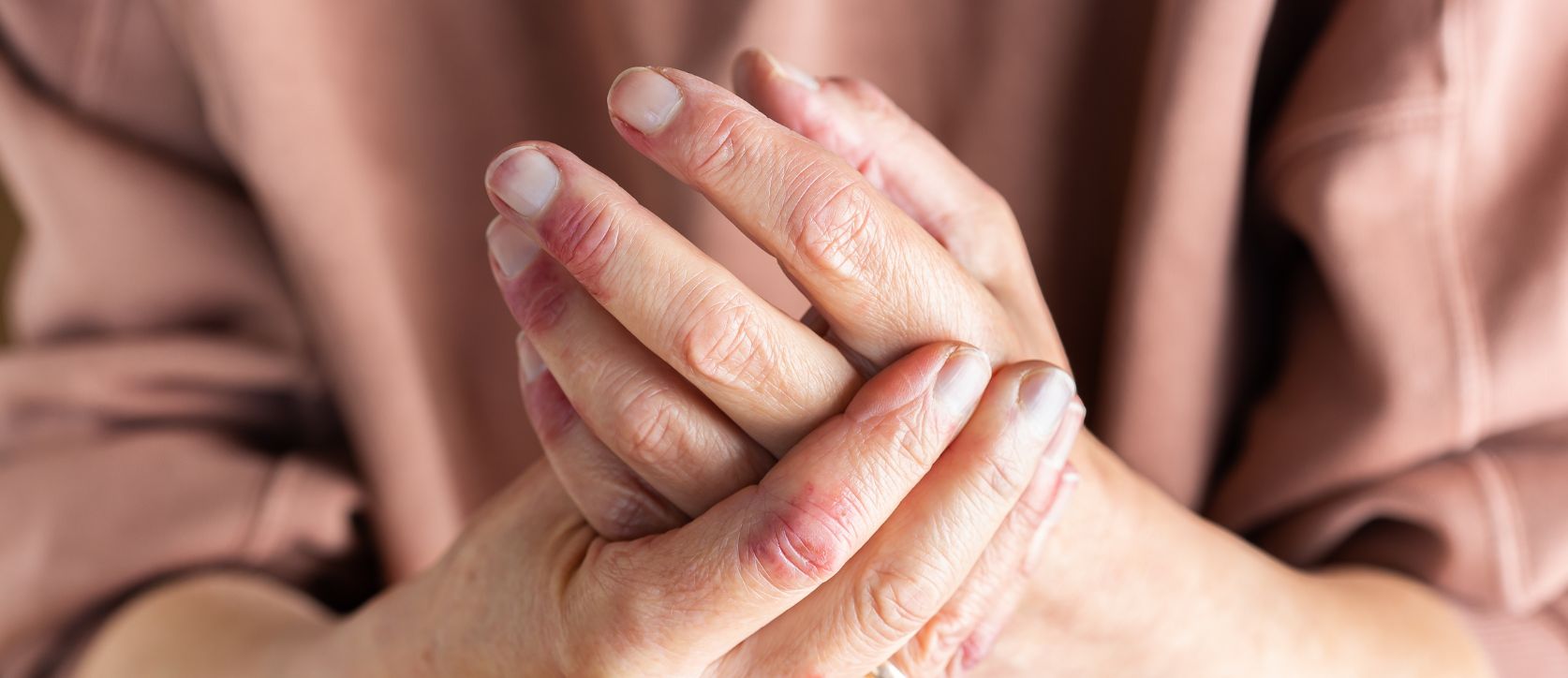
When skin begins to flare, itch, peel, or inflame, it is rarely a surface issue alone. In Ayurveda, dermatitis is closely associated with conditions such as Vicharchika and other Kushta disorders, where specific doshic imbalances, particularly involving Pitta and Kapha, disturb the skin and blood tissues.
An effective ayurvedic treatment for dermatitis addresses both the internal imbalance and the precipitating factors. Seborrheic dermatitis ayurvedic treatment focuses on calming excess Pitta and Kapha, regulating oil production, and purifying the blood. Atopic dermatitis ayurvedic treatment works to strengthen immunity, reduce chronic inflammation, and nourish dry, sensitive skin. In cases of irritation caused by allergens or chemicals, contact dermatitis is managed through removing triggers while supporting detoxification and skin repair through personalised herbal formulations and treatments.
What is Dermatitis?
Dermatitis is a general term for skin inflammation. It can affect people of all ages and may occur as a short-term reaction or a long-standing, recurring condition.
The most common types include seborrheic dermatitis, which affects oil-rich areas like the scalp and face; atopic dermatitis, often associated with chronic dryness and sensitivity; and contact dermatitis, triggered by exposure to irritants or allergens.
Understanding the specific type and trigger is essential, as effective management, including ayurvedic treatment for dermatitis, depends on addressing both the visible symptoms and the underlying cause.
What are the symptoms of Dermatitis?
Dermatitis can vary in intensity and presentation, but common and distinctive symptoms include:
Common causes include:
- Persistent itching, sometimes worsening at night
- Redness or inflamed patches of skin
- Dryness, rough texture, or scaly areas
- Greasy yellow or white flakes
- Oozing, crusting, or small fluid-filled blisters in active flare-ups
- Burning or stinging sensation, particularly in contact dermatitis
- Thickened, leathery skin due to chronic scratching
- Darkening or lightening of affected areas after repeated inflammation
- Increased sensitivity to heat, sweat, or certain fabrics
What are the types of Dermatitis?
Dermatitis presents in different forms, each with distinct triggers and patterns. Understanding the type helps determine the most appropriate ayurvedic treatment for dermatitis.
Seborrheic Dermatitis Ayurvedic Treatment
Seborrheic dermatitis commonly affects oil-rich areas such as the scalp, eyebrows, sides of the nose, and chest. It is typically marked by greasy scaling, redness, flaking, and itching. In Ayurveda, this pattern is often linked to aggravated Pitta and Kapha affecting the skin and blood tissues.
Treatment aims to regulate excess oil production, reduce inflammation, and support detoxification. One of the key treatments used in seborrheic dermatitis ayurvedic treatment is Virechana (Purgation), a Panchakarma procedure that helps eliminate aggravated Pitta toxins from the body. This helps reduce internal heat and inflammation that contribute to recurrent flare-ups.
In certain cases, Raktamokshana (Blood Purification) may also be recommended. This controlled bloodletting technique helps purify vitiated blood tissue and reduce chronic inflammatory responses associated with persistent skin conditions.
For scalp-related symptoms, Takradhara is often beneficial. In this, medicated buttermilk is poured in a continuous stream over the forehead or scalp, helping reduce itching, flaking, and stress-related triggers that aggravate seborrheic dermatitis.

Atopic Dermatitis Ayurvedic Treatment
Atopic dermatitis is characterised by intense itching, dryness, sensitive, inflamed skin, and psoriasis-like skin. It often appears as recurring patches that worsen with environmental triggers, stress, or certain foods. In Ayurveda, this condition is generally associated with aggravated Vata and Pitta affecting skin nourishment and immune response.
Atopic dermatitis ayurvedic treatment focuses on restoring moisture balance, strengthening skin tissues, and calming inflammation. Snehapana (Internal Ingestion is frequently used as part of treatment, where medicated ghee is administered in a controlled manner to nourish tissues and pacify dryness from within.
External soothing also plays a role. Lepam (Medicated Herbal Applications) involves applying herbal pastes directly to affected areas to reduce redness, itching, and irritation. This approach is commonly used in ayurvedic treatment for skin rashes and itching, offering relief while supporting the skin’s healing process.

Contact Dermatitis Ayurvedic Treatment
Contact dermatitis occurs when the skin reacts to irritants or allergens such as cosmetics, chemicals, metals, or detergents. Symptoms often include sudden redness, itching, burning, rashes, and more that can also develop into white patches on skin over time.
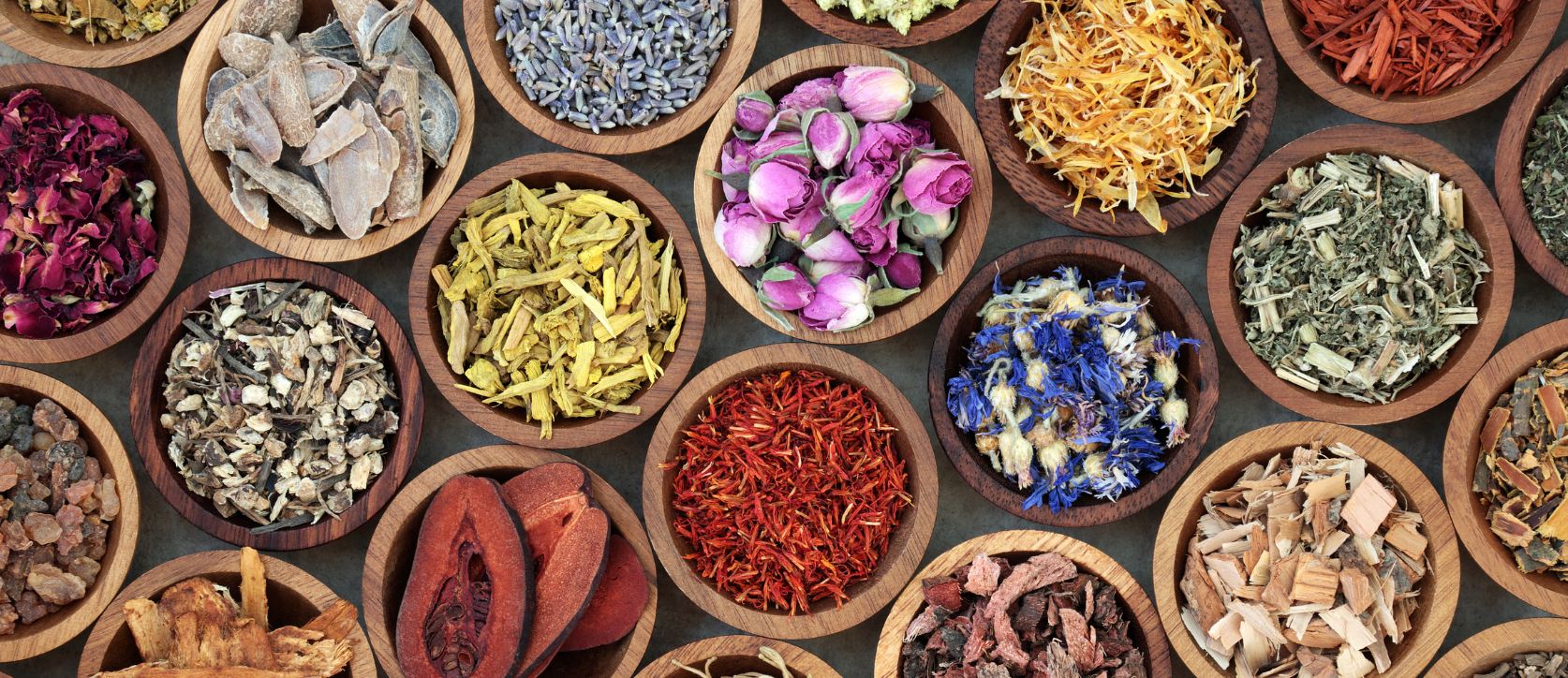
Management begins with identifying and avoiding the trigger. Alongside this, Ayurveda focuses on calming inflammation and strengthening the skin barrier. Shamana Chikitsa (Pacifying Treatments) is commonly used, where personalised herbal formulations such as neem, manjistha, khadira, and guduchi help cleanse the blood, reduce inflammation, and stabilise immune responses.

Through this integrated approach, ayurvedic treatment for dermatitis works not only to relieve visible symptoms but also to restore internal balance, reducing the likelihood of repeated flare-ups over time.
Home Remedies for Dermatitis
While medical supervision is important for persistent or severe cases, certain gentle home practices can help soothe irritated skin and support ongoing ayurvedic treatment for dermatitis. These remedies focus on calming inflammation, reducing itching, and supporting skin balance.
- Applying a thin layer of virgin coconut oil to affected areas may help reduce dryness, itching, and irritation.
- Fresh aloe vera gel has natural anti-inflammatory properties that may help calm redness and mild rashes.
- A paste made from crushed neem leaves may help reduce itching, redness, and minor infections.
- Finely ground oatmeal added to lukewarm bathwater can help soothe irritated skin and reduce itching, especially during flare-ups.
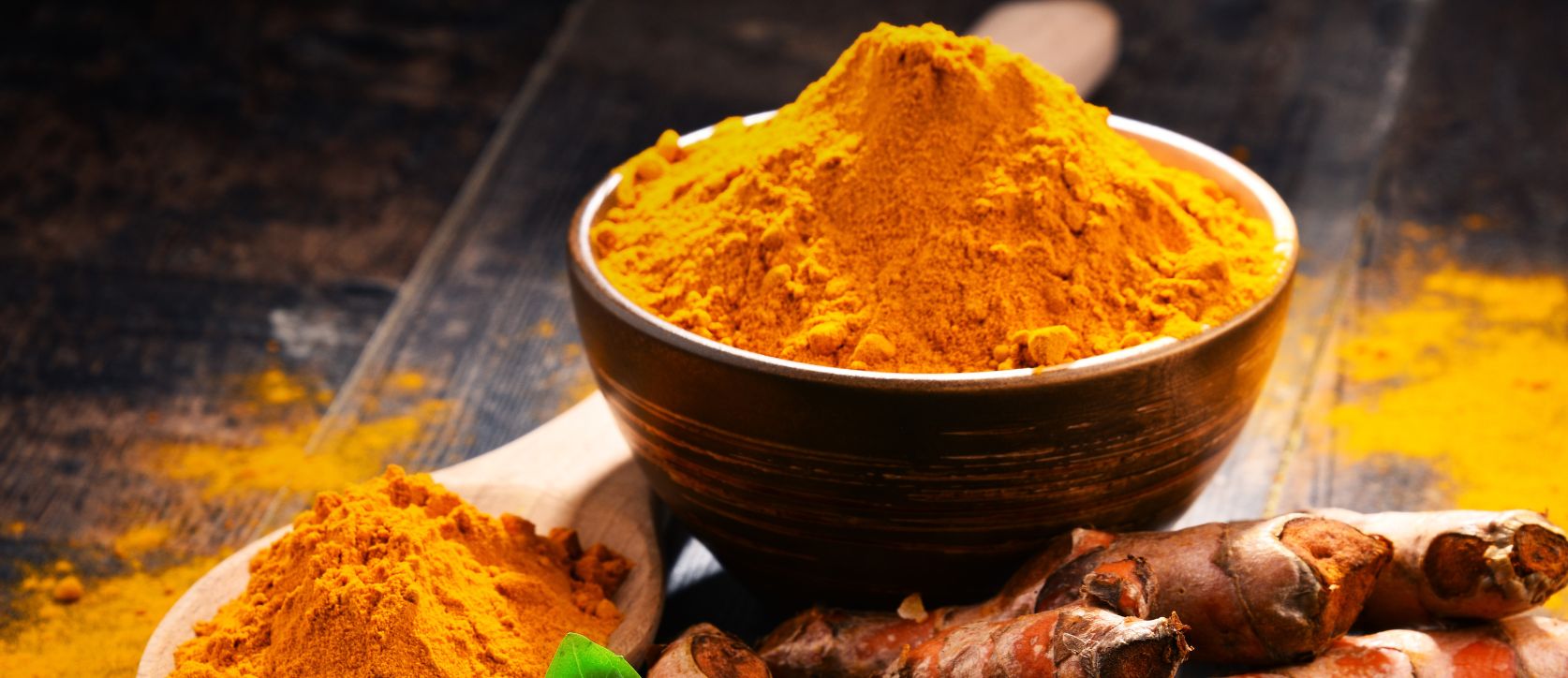
- A mild paste made with turmeric and honey may help calm inflammation and support skin healing when applied carefully to affected areas.
FAQs
Yes. Dermatitis can recur if underlying triggers such as diet, stress, environmental exposure, or digestive imbalance are not addressed.
Seasonal and climatic changes can influence dermatitis. Cold and dry climates may worsen dryness and itching, while humid conditions can aggravate oiliness and flaking.
Yes. Certain shampoos, hair oils, styling products, and fragrances may irritate the scalp or trigger allergic reactions, particularly in individuals with sensitive skin.
Stress is known to aggravate inflammatory skin conditions. It can disrupt hormonal balance and immune response, which may trigger itching, redness, or flare-ups in conditions like seborrheic or atopic dermatitis.
Diet can play a role in inflammatory skin conditions. Highly processed foods, excessive sugar, spicy foods, and certain allergens may aggravate symptoms in some individuals. Identifying dietary triggers can support better skin management.