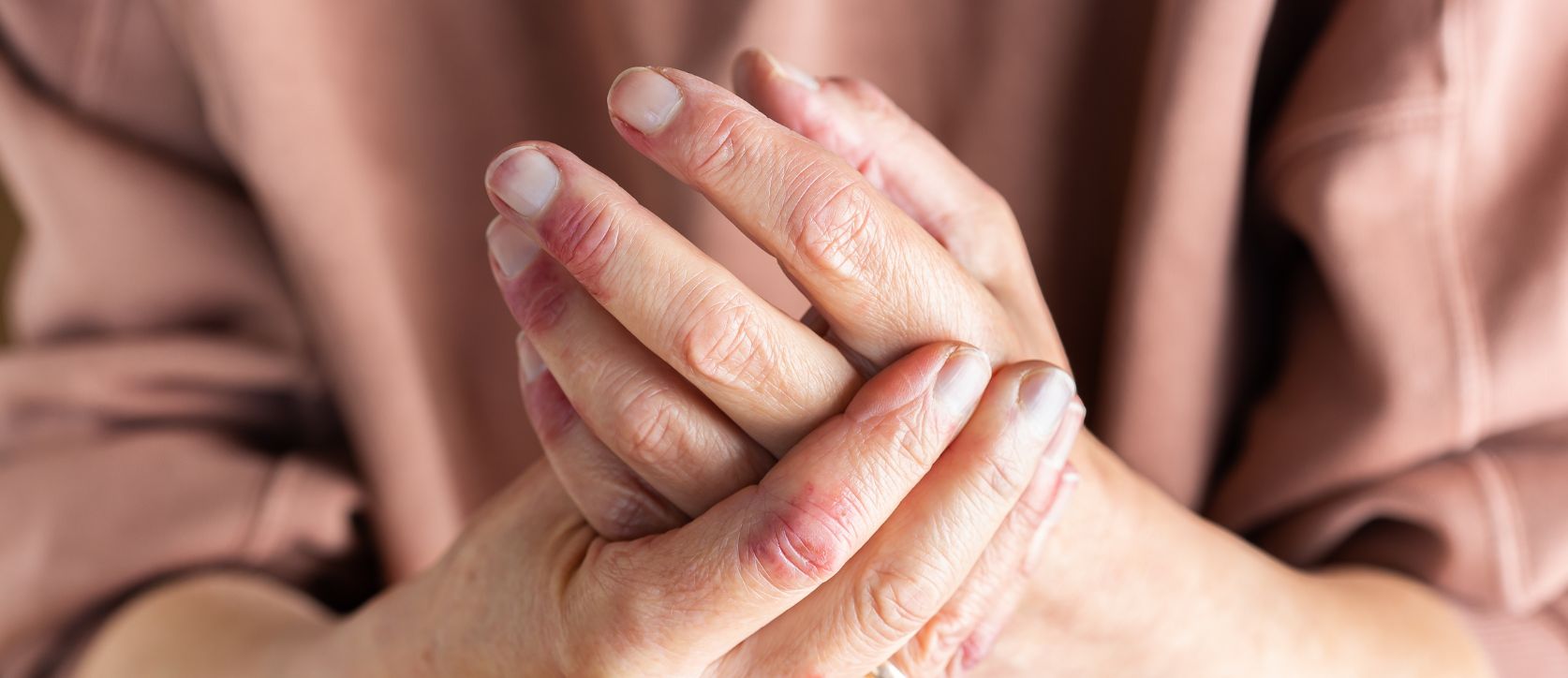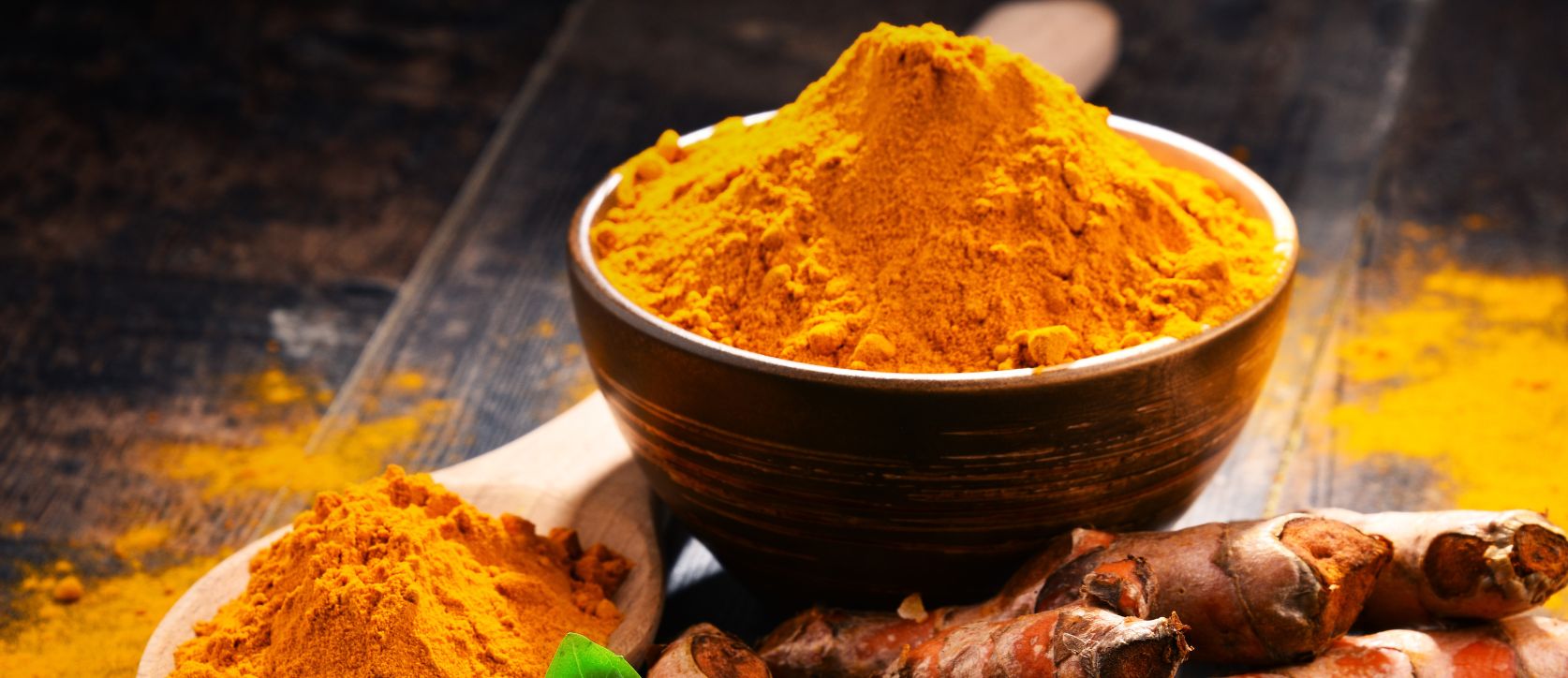
In Ayurveda, turmeric has long been valued as a cornerstone of skin health. Today, conversations around benefits of turmeric for skin health often highlight its brightening and soothing properties, but classical Ayurvedic wisdom views it as far more than a cosmetic remedy. This golden herb is known to support clarity, balance excess heat in the body, and promote a naturally healthy complexion from within.
Across generations, households have trusted Haldi for daily wellness rituals, and growing awareness of benefits of Haldi for skin reflects this enduring tradition. In Ayurvedic practice, turmeric works at a deeper level by helping to purify the blood, reduce inflammation, and restore equilibrium to the doshas. When used mindfully, it becomes not just a skincare ingredient, but a holistic approach to long-term skin vitality.
Key Benefits of Turmeric for Skin Health
The growing interest in the benefits of turmeric for skin health is deeply rooted in Ayurvedic practice, where this golden herb is valued for its cleansing, balancing, and rejuvenating properties. Beyond topical application, the traditional uses of turmeric for skin care focus on supporting internal harmony, which reflects outwardly as a clearer and healthier complexion.
Some overall benefits include:
- Reducing inflammation and calming acne-prone skin
- Supporting an even skin tone and natural radiance
- Assisting in managing pigmentation and blemishes
- Promoting wound healing and skin repair
- Helping balance excess oil production
- Supporting detoxification through blood purification
Ayurvedic Benefits of Turmeric
In Ayurveda, turmeric, known as Haridra, is regarded as a powerful Kushtaghna dravya (Ayurvedic herb), a substance that supports the management of skin disorders. Its benefits for the skin are understood through its influence on the doshas, rakta dhatu (blood tissue), and overall metabolic balance.
Ayurvedic benefits of Turmeric for skin are as follows:
Pacify Kapha and regulate Pitta
Excess Kapha contributes to oiliness, congestion, and cystic formations, while aggravated Pitta manifests as redness, inflammation, and sensitivity. Haridra helps restore equilibrium between these doshas.
Purify Rakta dhatu
In Ayurvedic understanding, many skin conditions originate in vitiated rakta (blood). Turmeric acts as a Rakta Shodhaka (purifier), supporting detoxification and improving the quality of the blood, which directly reflects on skin clarity.
Reduce Ama accumulation
Skin dullness, breakouts, and uneven tone are often linked to ama (metabolic toxins). By supporting agni (digestive fire), turmeric helps prevent toxin buildup that can manifest through the skin.
Support Twak dhatu nourishment
Healthy skin, or twak, depends on proper nourishment of underlying tissues. Turmeric assists in improving microcirculation and tissue regeneration, promoting resilience and vitality.
Thus, in Ayurveda, turmeric is not merely a topical brightening agent. Its role lies in correcting internal imbalance, supporting detoxification, and sustaining the integrity of skin tissues over time. Its true benefit is seen when it is used within a personalised framework that considers an individual’s natural form and current doshic state.

Benefits of Curcumin for Skin Repair
Curcumin is the principal polyphenolic (natural antioxidant) compound found in turmeric. While turmeric contains several active constituents, curcumin is the most researched for its molecular effects on inflammation, oxidative stress, and cellular repair. It is largely responsible for turmeric’s bright yellow colour and its targeted biological activity.
Benefits of Curcumin:
- Improves Post-Acne Recovery: It supports the skin during the healing phase after breakouts, helping reduce lingering marks and uneven texture.
- Encourages Collagen Formation: Curcumin supports fibroblast activity, which plays a role in rebuilding skin structure during repair, helping maintain firmness in healing areas.
- Helps Regulate Excess Pigment After Inflammation: Following acne or irritation, skin can darken in patches. Curcumin assists in moderating pigment production during recovery.
How to Use Turmeric in Daily Skin Care
Turmeric can be incorporated into everyday skin care routines in simple, mindful ways. In Ayurveda, it is used both externally and internally, depending on the individual’s constitution and skin needs.
Practical Ways to Use Turmeric for Skin
- Turmeric Face Pack for Brightness
Mix a small pinch of turmeric with chickpea flour and rose water or milk to create a paste. Apply evenly, leave for 10–15 minutes, and rinse gently. This supports clarity and a more even tone. - Spot Application for Blemishes
Combine turmeric with a few drops of honey or aloe vera gel and apply directly to blemishes. This can help calm redness and support healing. It is one of the easiest ways to use turmeric for skin care. - Turmeric and Yoghurt Mask for Dull Skin
Blend turmeric with plain yoghurt to create a gentle exfoliating mask that supports smoother texture and natural glow. This exfoliator enhances the benefits of turmeric for skin care. - Turmeric Infused Warm Water (Internal Use)
Consuming a small amount of turmeric in warm water may support internal detoxification and blood purification, which Ayurveda associates with clearer skin. - Turmeric with Oil for Body Care
Turmeric can be mixed with sesame oil and used in a light pre-bath application to support circulation and skin nourishment.
Important Considerations
- Always use turmeric in small quantities to avoid staining.
- Perform a patch test before full application.
- Individuals with sensitive or very dry skin should use it cautiously.
- Internal consumption should be guided by a qualified practitioner.

FAQs
According to Ayurveda, benefits of Haldi include balancing excess Pitta, purifying the blood, and supporting healthy skin tissue.
The benefits of turmeric for skin are most noticeable when it is used consistently and as part of a balanced routine.
Yes, turmeric supports a more even complexion and helps reduce the appearance of marks.
While the uses of turmeric for skin are widely recommended, individuals with sensitive skin should perform a patch test before regular application.
Yes, the turmeric provides antioxidant support, which helps protect against premature ageing.