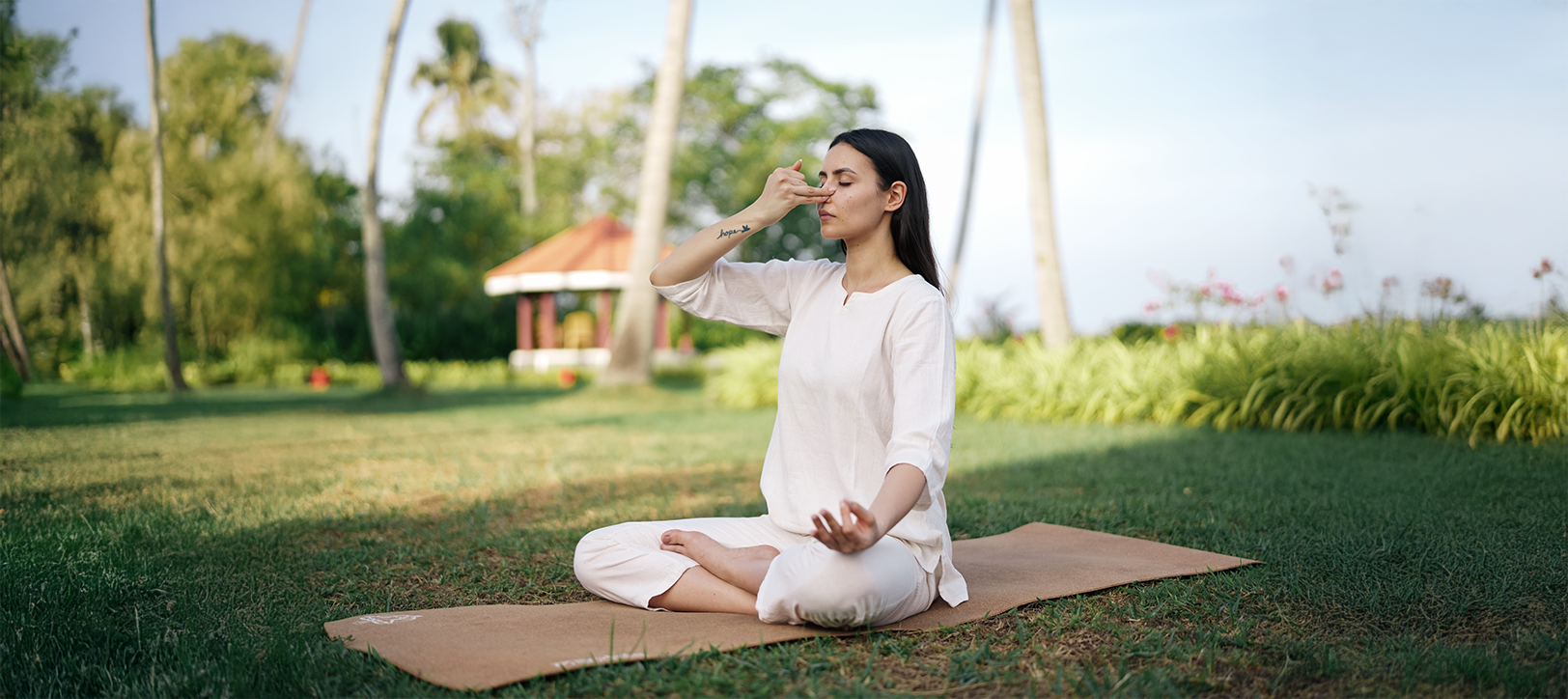
Yoga Asanas for Stress Relief You Can Practice Daily 

Stress weaves itself into everyday life in subtle ways, often showing up as restlessness, fatigue, or mental overload. Practising Yoga Asanas for stress relief at home creates space to slow down, breathe deeply, and reconnect with the body at your own pace. Yoga helps ease physical tension and settle the mind, making it an effective approach to managing everyday stress. These simple movements and postures draw from time-tested yoga asanas, offering a practical way to experience bliss.

Why Yoga Asanas Are Effective for Stress

Stress must be handled gently; immediate solutions are never good for the long run. Through gentle movement, steady breathing, and mindful awareness, yoga offers natural ways to ease tension and restore balance. These points highlight how yoga asanas support natural stress relief by working on the body and mind, making stress easier to manage over time.
  • Calm the nervous system: Slow, mindful movements and breathing in yoga activate the parasympathetic nervous system, helping the body shift out of constant alertness and into relaxation, supporting yoga for stress relief.
  • Release physical tension: Stress often settles in the neck, shoulders, back, and hips. Targeted yoga asanas for stress relief gently stretch and relax these areas, easing stiffness and discomfort.
  • Improve breathing patterns: Shallow breathing increases stress responses. Yoga encourages deeper, controlled breathing, which helps lower stress hormones and supports yoga to reduce stress naturally.
  • Support mental focus: Holding and moving through asanas requires attention to posture and breath, drawing the mind away from repetitive thoughts and mental overload.
  • Balance energy levels: Regular practice helps regulate fatigue and restlessness, creating steadier energy throughout the day and offering natural stress relief without stimulants.
  • Encourage better sleep: By relaxing the body and calming the mind, yoga prepares the nervous system for restful sleep, an essential part of managing stress effectively.
At Amal Tamara, these principles form the foundation of daily wellness, where yoga asanas are integrated thoughtfully to support natural stress relief and cultivate a calm mindset and balance as part of everyday living.

Top Yoga Asanas for Stress Relief

1. Balasana (Child’s Pose)
How to practise:
  • Begin in a kneeling position with the feet together and the knees comfortably apart.
  • Sit back on your heels and fold forward, resting your forehead on the mat.
  • Extend your arms forward or rest them alongside your body.
  • Breathe slowly and remain in the same position for 1–2 minutes.
Benefits:
Balasana gently relaxes the spine, hips, and shoulders, helping release physical tension built up during stressful periods. By encouraging deep, steady breathing, this posture helps calm the nervous system and quiet the mind. It is widely used in yoga for stress relief to ease mental fatigue, emotional tension, and feelings of overwhelm, making it a grounding and restorative posture for daily practice.
2) Setu Bandhasana (Bridge Pose)
How to practise:
  • Lie on your back with knees bent and feet placed at hip-width.
  • Keep the arms alongside the body, palms facing down.
  • Press the feet into the mat and gently lift the hips while keeping the shoulders relaxed.
  • Hold the position for 20–40 seconds, breathing steadily.
  • Lower the hips slowly and relax before repeating.
Benefits:
Setu Bandhasana helps open the chest and improve circulation while gently stimulating the nervous system. One can practise this as a yoga asana for stress relief at home as it reduces fatigue, eases tension in the back, and is easy to follow. Practised regularly, this posture contributes to natural stress relief by promoting relaxation and balanced breathing.
3. Uttanasana (Standing Forward Bend)
How to practise:
  • Stand with feet hip-width apart.
  • Exhale and fold forward from the hips, allowing the head and neck to relax.
  • Slightly bend the knees if needed.
  • Hold for 30–60 seconds while breathing steadily.
Benefits:
Uttanasana gently stretches the spine, hamstrings, and lower back, helping release tension that commonly builds up during periods of stress. By allowing the head to rest below the heart, this posture encourages a calming response in the nervous system, easing mental restlessness and fatigue.
4. Marjaryasana–Bitilasana (Cat–Cow Pose)
How to practise:
  • Begin on all four limbs with wrists tucked under shoulders and knees under hips.
  • Inhale, arch the back, and lift the chest (Cow Pose).
  • Exhale, round the spine and tuck the chin (Cat Pose).
  • Move slowly with the breath for 1–2 minutes.
Benefits:
Marjaryasana–Bitilasana helps improve spinal mobility while releasing tension from the neck, shoulders, and lower back, areas that often tighten during stress. This movement coordinated with breath encourages relaxation of the nervous system and promotes mindful awareness. This flow supports natural stress relief by easing physical stiffness, improving circulation along the spine, and calming mental agitation.
5. Viparita Karani (Legs Up the Wall)
How to practise:
  • Lie on your back and rest your legs vertically against a wall.
  • Place your arms comfortably by your sides.
  • Close your eyes and breathe naturally.
  • Stay in the same position for 5–10 minutes.
Benefits:
Viparita Karani has a deeply calming effect on the nervous system, helping the body shift into a state of rest and relaxation. By improving circulation and encouraging slow, natural breathing, this restorative posture helps reduce anxiety, ease fatigue, and release mental tension. It is a popular yoga asana for stress relief that supports emotional balance, promotes relaxation, and restores energy after a mentally or physically demanding day.

Breathing Techniques to Reduce Stress

Breathing plays a central role in how the body responds to stress. Shallow or rapid breathing can heighten feelings of anxiety, while slow, mindful breathing helps calm the nervous system. Incorporating simple breathing techniques into your routine supports yoga to reduce stress by encouraging relaxation and mental clarity.
Practices such as deep abdominal breathing, where the breath moves gently into the belly, help lower stress hormones and steady the heart rate. Lengthening the exhale further signals the body to relax, making breathing a powerful tool for natural stress relief. When practised regularly alongside yoga asanas, these techniques enhance the overall benefits of yoga for stress relief, helping the mind settle more easily and the body unwind.
Tips for Daily Yoga Practice
  • Practise at the same time each day: Creating a routine helps the body and mind respond more easily to yoga, making it more effective for stress management.
  • Start with gentle movements: Choose simple yoga asanas for stress relief rather than intense postures, especially when feeling mentally or physically tired.
  • Focus on breathing: Let the breath guide each movement, as steady breathing supports relaxation.
  • Avoid overworking your body: Do not push into discomfort. Yoga to reduce stress works best when practised with awareness and ease.
  • Create a calm practice space: A quiet, comfortable environment helps minimise distractions and encourages mental focus.
  • End with stillness: Taking a few moments to rest or sit quietly at the end of practice allows the body to absorb the calming effects of yoga asanas.
At Amal Tamara, yoga is not treated as a pause from life, but as a way of moving through it with greater awareness. The day begins with grounding yoga asanas that awaken the body gently, and continues with mindful breathing and simple movements that help ease stress as it arises. Practised in this way, yoga becomes a steady presence rather than a fixed routine, supporting calm, balance, and clarity from morning through the day.
Practise Yoga Asanas for Stress-Free Living by allowing yoga to meet you where you are, whether at the start of the day or in moments when the mind feels unsettled. Over time, these small, consistent practices create space for natural stress relief and sustained wellbeing.

FAQs

Yes, beginners can safely practise yoga asanas for stress relief at home by starting with simple postures and gentle movements. It is important to move slowly, focus on breathing, and avoid pushing the body beyond comfort.

Yoga can be practised daily or even a few times a week. Consistency matters more than duration, and even 15–20 minutes of regular practice can support natural stress relief over time.

Most gentle yoga asanas and breathing techniques are suitable for different age groups. However, individuals with existing health concerns should practise under guidance or consult a qualified professional before beginning.

Some people experience a sense of calm immediately after practice, while long-term benefits such as improved focus and reduced stress build gradually with regular practice.

Yes, yogic breathing practices can be effective on their own. When combined with yoga asanas, they enhance relaxation and provide a holistic approach to managing stress naturally.


Yoga Asanas for Stress Relief You Can Practice Daily

Share:

Table of Contents

On Key

Related Posts

Vitiligo Causes, Symptoms, and Management

In recent years, vitiligo has become a condition many people are hearing about more often, whether through conversations, medical discussions, or personal experiences. Vitiligo causes