Vitiligo Causes, Symptoms, and Management

In recent years, vitiligo has become a condition many people are hearing about more often, whether through conversations, medical discussions, or personal experiences. Vitiligo causes changes in skin pigmentation that are usually harmless, but they often lead to curiosity and concern about what triggers the condition and how it progresses.
Understanding Vitiligo causes takes time and the right information. Let us walk you through Vitiligo symptoms, Vitiligo treatment approaches, and commonly followed remedies, offering a clear and practical overview that focuses on awareness and care.

What is Vitiligo?

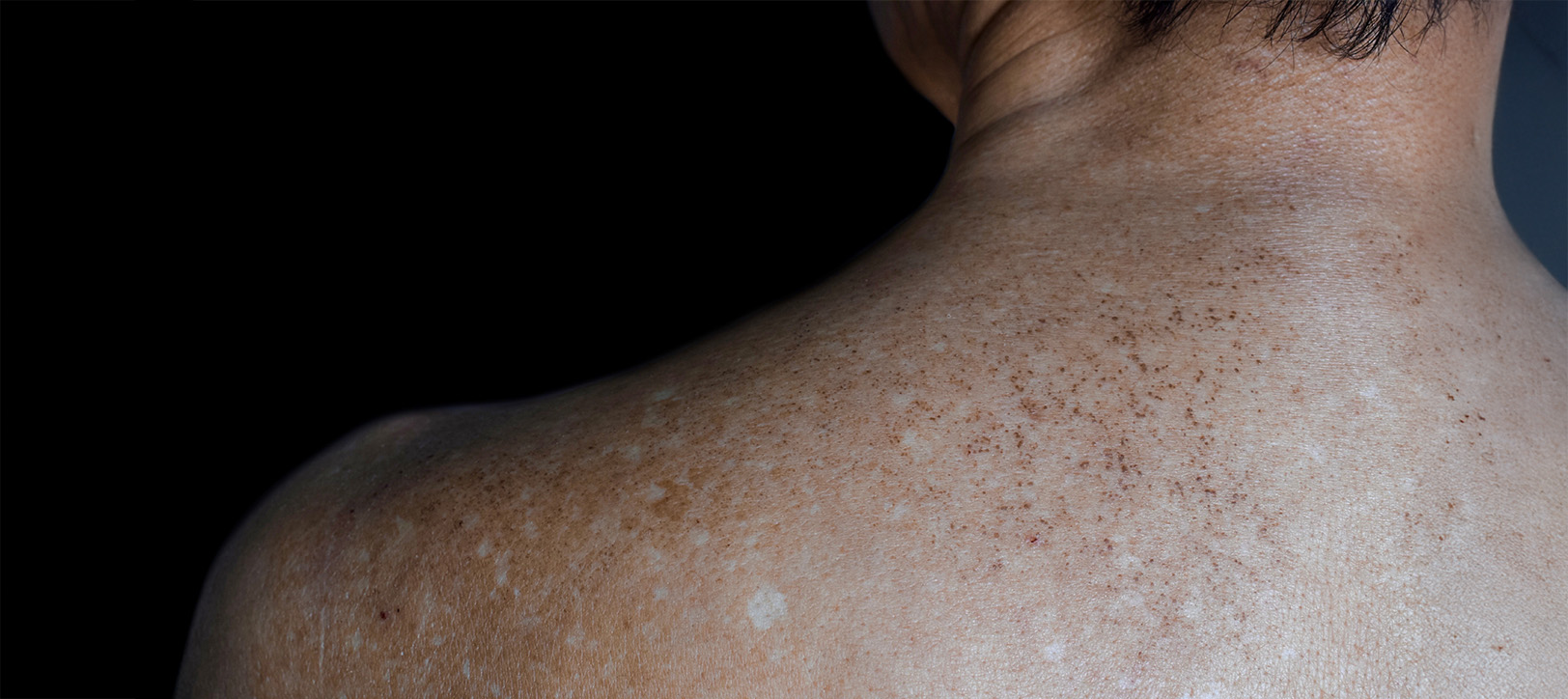
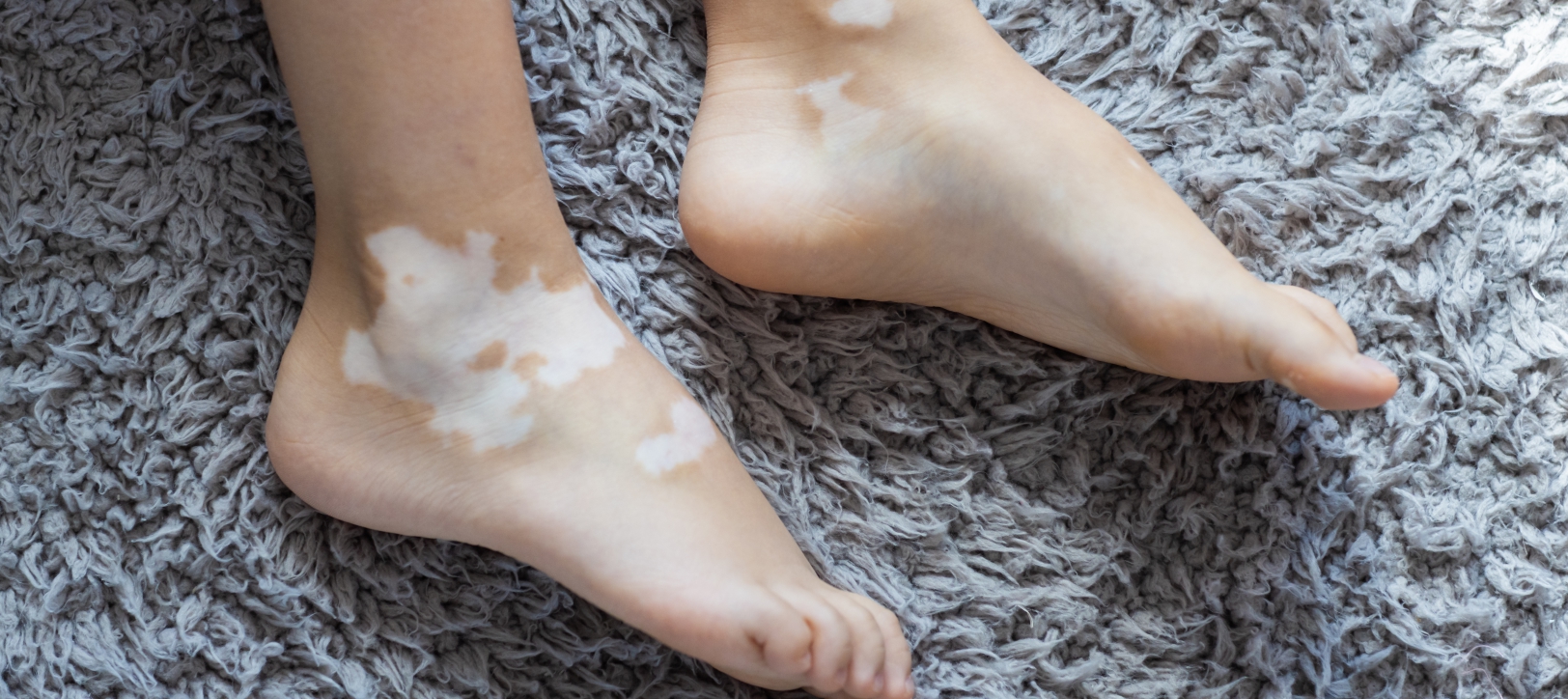
Vitiligo is a skin condition in which certain areas lose their natural pigment, leading to lighter or white patches on the skin. This happens when melanocytes, the cells responsible for producing skin colour, stop functioning or are reduced in number, resulting in visible Vitiligo symptoms. Vitiligo is not contagious or harmful, but it is a long-term condition that requires understanding and consistent care. Recognising Vitiligo causes early and following appropriate treatment can help manage the condition more effectively over time.

Different Types of Vitiligo

Non-Segmental Vitiligo

Non-segmental vitiligo is the most common form of the condition. It is characterised by depigmented patches that usually appear on both sides of the body in a symmetrical pattern. This type may progress gradually over time and often shows periods of stability.
Common patterns seen within non-segmental vitiligo include:
Generalised vitiligo, where patches appear across multiple areas of the body
Focal vitiligo, involving small, localised patches
Acrofacial vitiligo, affecting the face, hands, and feet
Universal vitiligo, a rare presentation where most of the body loses pigment
Non-segmental vitiligo is commonly associated with immune-related factors and is often the focus of long-term Vitiligo treatment strategies.

Segmental Vitiligo

Segmental vitiligo affects only one side or one specific area of the body. It typically appears at a younger age and progresses for a shorter period before stabilising. Unlike non-segmental vitiligo, this type does not usually spread widely after the initial phase.
What are the common causes of Vitiligo?
Vitiligo causes are rarely due to a single factor. In most cases, the condition develops when multiple internal and external influences affect the body’s ability to maintain healthy skin pigmentation. Understanding these triggers helps in choosing the right Vitiligo treatment and long-term care approach.
Common causes of vitiligo include:
Autoimmune response: The immune system mistakenly targets melanocytes, leading to gradual loss of pigment and visible Vitiligo symptoms.
Genetic predisposition: A family history of vitiligo or autoimmune disorders can increase susceptibility, though genetics alone may not cause the condition.
Stress and emotional imbalance: Long-term stress can disturb immune function and may trigger or worsen vitiligo symptoms in some individuals.
Digestive and metabolic disturbances: Poor digestion and toxin accumulation are often linked with skin conditions, including vitiligo.
Environmental triggers: Exposure to certain chemicals, repeated skin injury, sunburn, or friction can initiate depigmentation in sensitive areas.
Oxidative stress: An imbalance between free radicals and antioxidants may contribute to melanocyte damage.
Recognising these Vitiligo causes allows for a more informed and holistic approach to management focusing on prevention.

What are the symptoms of Vitiligo?

Vitiligo Symptoms often develop gradually and may vary in appearance and progression from one person to another. While the condition primarily affects skin pigmentation, its signs can be observed in several ways.
Common vitiligo symptoms include:
  • Appearance of white or lighter patches on the skin, especially on the face, hands, feet, elbows, and knees
  • Loss of pigment around body openings such as the mouth, eyes, nostrils, and genitals
  • Premature whitening or greying of hair in affected areas, including scalp hair, eyebrows, or eyelashes
  • Symmetrical patch patterns in some cases, depending on the type of vitiligo
  • Gradual spread of depigmented areas over time or periods of stability with no visible change
  • Although Vitiligo Symptoms are usually painless and do not cause physical discomfort, their visibility often prompts individuals to seek Vitiligo Treatment for both medical guidance and long-term skin care support.

    Long-Term Management of Vitiligo

    Vitiligo treatment focuses on managing the condition steadily rather than seeking instant results. Since vitiligo affects individuals differently, treatment plans are usually long-term and personalised, aiming to slow progression, support skin health, and address internal imbalances linked to the condition.
    Medical care may focus on supporting pigment activity and regulating immune responses, while holistic care looks at digestion, stress levels, and overall wellbeing. Consistency plays a key role, as visible changes often take time. Supporting the body through balanced nutrition, regular routines, and emotional wellbeing is equally important.
    With the right Vitiligoncare, many individuals are able to maintain stability, reduce flare-ups, and improve overall skin health over time. At Amal Tamara, an NABH-certified Ayurvedic hospital, skin conditions are addressed through personalised management plans and long-term care rooted in authentic Ayurvedic practice.

    Vitiligo Care and Home Remedies

    Supportive Vitiligo Home Remedies focus on gentle skin care and daily practices that help maintain skin health alongside professional guidance. These remedies are not cures but can support comfort, protection, and consistency in care.
  • Moisturising regularly: Use mild, fragrance-free creams or natural moisturisers such as coconut oil or sesame oil to keep the skin hydrated and prevent dryness in affected areas
  • Sun protection: Applying a broad-spectrum sunscreen helps protect depigmented skin from sunburn, which may worsen Vitiligo symptoms.
  • Gentle oil application: Light application of natural oils like coconut oil or almond oil can support skin nourishment and improve comfort when used consistently.
  • Herbal support at home: Some individuals use mild herbal preparations such as turmeric mixed with coconut oil for general skin care, applied externally in small amounts.
  • Avoid harsh products: Stay away from strong chemical-based creams, bleaching agents, or abrasive scrubs that may irritate sensitive skin.
  • These home-based measures work best when combined with appropriate Vitiligo treatment and professional advice, helping maintain skin health in a steady and mindful way.

    Living Well with Vitiligo

    With the right Vitiligo treatment approach and consistent daily practices, many individuals are able to manage progression and maintain healthy skin over time.
    Living well with vitiligo involves understanding personal triggers, responding early to changes in Vitiligo symptoms, and supporting the body through balanced nutrition, stress management, and mindful routines. Confidence and wellbeing often improve as care becomes more consistent and informed.
    At Amal Tamara, care is rooted in inclusivity and patience, supporting individuals through a steady, mindful approach to wellbeing where progress is encouraged at its own pace and healing is understood as a gradual journey.

    FAQs

    No. Vitiligo is not contagious and cannot spread through touch, sharing personal items, or close contact.

    Vitiligo can appear at any age. The approach to care may vary depending on age, skin sensitivity, and overall health.

    Yes. Changes in weather, prolonged stress, and lifestyle disruptions may influence Vitiligo symptoms in some individuals, making regular care important.

    Yes. Vitiligo is a long-term condition, and ongoing care helps maintain stability and reduce the risk of flare-ups over time. 

    Vitiligo treatment also looks beyond the skin, addressing internal balance, immune health, digestion, and lifestyle factors for long-term management. At Amal Tamara, this broader approach reflects a belief in supporting overall wellbeing through inclusive, patient-led care that allows healing to progress steadily over time.


    Ayurvedic Treatment for Psoriasis in Kerala

    Share:

    Table of Contents

    On Key

    Related Posts

    Vitiligo Causes, Symptoms, and Management

    In recent years, vitiligo has become a condition many people are hearing about more often, whether through conversations, medical discussions, or personal experiences. Vitiligo causes