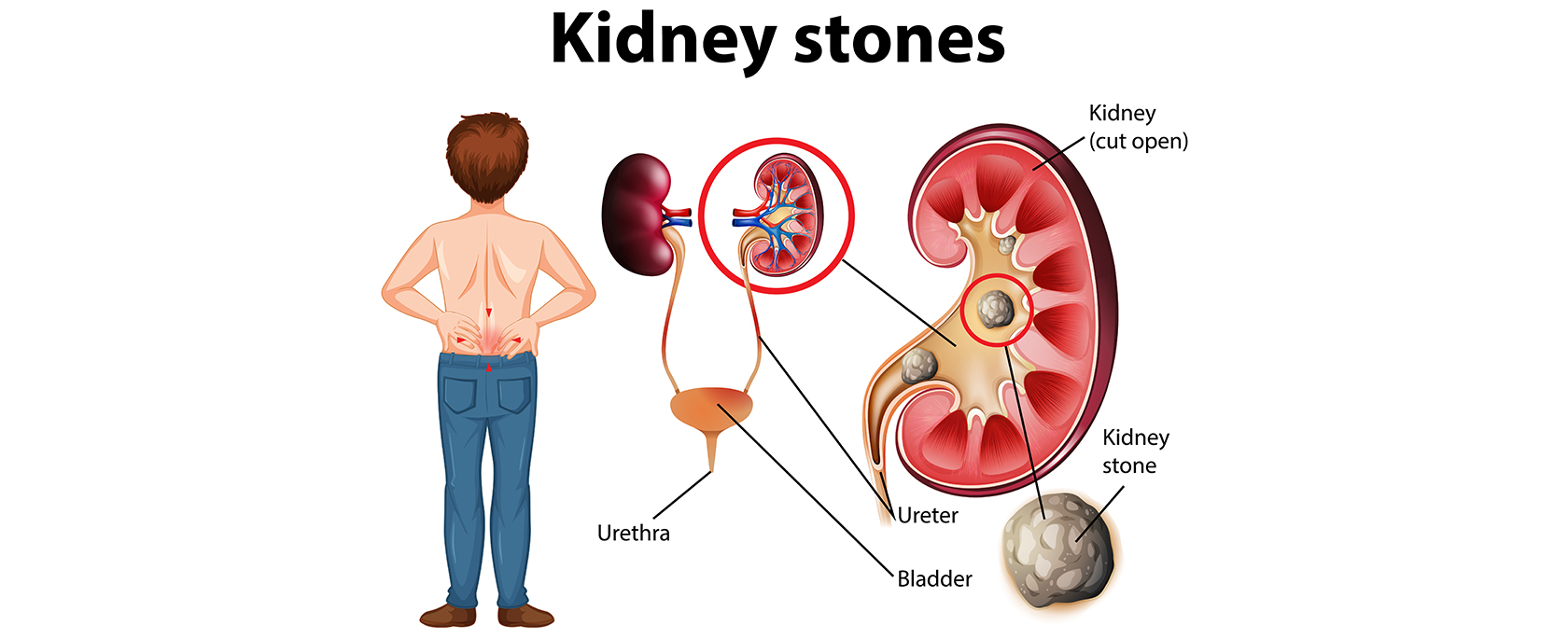
In modern medicine, kidney stones are treated reactively—using medications, lithotripsy, or surgery to remove the stones. But what if we could look at this issue through a different lens? What if we could prevent stones from forming altogether? This is where Ayurveda’s timeless wisdom steps in, offering a holistic and proactive approach to kidney health, not just by dissolving stones but by preventing them and restoring balance to the body.
What Are Kidney Stones?
- Calcium Oxalate Stones: The most common type formed when calcium binds with oxalate.
- Uric Acid Stones: Often a result of high-protein diets and insufficient hydration.
- Struvite Stones: Linked to infections, these can grow rapidly if left unchecked.
- Cystine Stones: A rare genetic disorder leads to an overproduction of cystine, forming these stones.
Decoding the Formation of Kidney Stones
- Dehydration: When the body lacks enough water, urine becomes highly concentrated, creating the perfect environment for kidney stones to form.
- Diet Choices: A diet high in sodium, animal protein, or oxalate-rich foods—such as spinach and nuts—can be harmful if consumed in excessive amounts over time, disrupting the body’s mineral balance and increasing the risk of stone formation.
- Metabolic Conditions: Conditions like diabetes, obesity, and hyperparathyroidism interfere with the body’s ability to regulate minerals, making stone development more likely.
- Genetics: A family history of kidney stones raises the risk significantly, passing down a predisposition to stone formation through generations.
How Ayurveda Approaches Kidney Stones

- Varunadi Kwath: This powerful Ayurvedic treatment combines herbs like Crataeva Nurvala, that help break down kidney stones into smaller fragments, making them easier to pass.
- Punarnava: A well-regarded diuretic in Ayurveda, Punarnava promotes urine flow, flushing out toxins and excess minerals that contribute to stone formation.
- Gokshura:A staple in Ayurvedic treatment for kidney care, Gokshura strengthens the urinary system by reducing stone formation and improving bladder function.
Nourish & Hydrate: The Foundation of Kidney Health
Ayurveda regards food as medicine, and a kidney-supportive diet can go a long way in preventing stone formation. Grains such as barley and millet, leafy greens, fruits like apples and pears, and spices such as cumin and turmeric help cleanse the system and aid digestion. Lentils and mung beans also support kidney function while providing essential nutrients.
Detox & Restore with Ayurvedic Treatment
- Prioritise hydration – 8-10 glasses of water daily to support kidney function.
- Eat with awareness – Reduce excess salt, processed foods, and heavy proteins.
- Stay proactive – Regular check-ups ensure early intervention when needed.
- Pain Management: Taking NSAIDs like ibuprofen helps ease discomfort.
- Alpha-Blockers: These relax the urinary tract, making it easier for stones to pass.
- Lithotripsy shatters kidney stones into smaller, passable fragments using a non-invasive technique.
Personalised Solutions to Kidney Problems
Yet, when kidney stones become too large or cause complications, medical intervention may be required. In such cases, Ayurvedic treatment works alongside modern treatments—supporting recovery, reducing side effects, and restoring balance to the body.
Amal Tamara, a NABH-certified hospital in the heart of Alleppey, offers more than just treatment—it provides a holistic path to lasting health. Rooted in authentic Ayurvedic treatment, our programmes go beyond symptom relief, focusing on disease prevention and comprehensive recovery. Through a detailed pre-assessment, we craft personalised therapies to address individual health concerns, ensuring sustainable and effective results.
Our expert team combines mindful nutrition, lifestyle modifications, and proven Ayurvedic treatment practices to create a balanced, preventive approach to wellness. Whether you’re managing kidney stones or taking steps to safeguard your health, now is the time to act.
Book a consultation and experience Ayurvedic treatment as it was meant to be—restorative, preventive, and truly transformative.
FAQs
The effectiveness of Ayurvedic treatment varies based on stone size, composition, and individual health conditions. Some people experience relief within weeks, while others may need months of consistent treatment. A personalised approach, guided by an expert, ensures optimal results.
Yes, preventive measures play a crucial role. Staying hydrated, following a balanced diet, reducing sodium and oxalate-rich foods, and maintaining an active lifestyle significantly lower the risk of developing kidney stones. Ayurveda also recommends periodic detoxification through Panchakarma to cleanse the kidneys.
The effectiveness of Ayurvedic treatment varies based on stone size, composition, and individual health conditions. Some people experience relief within weeks, while others may need months of consistent treatment. A personalised approach, guided by an expert, ensures optimal results.
When prescribed by a qualified practitioner, Ayurvedic treatment is safe and free from harmful side effects. Unlike conventional medicines, Ayurvedic herbs work holistically to restore balance in the body rather than just addressing symptoms.