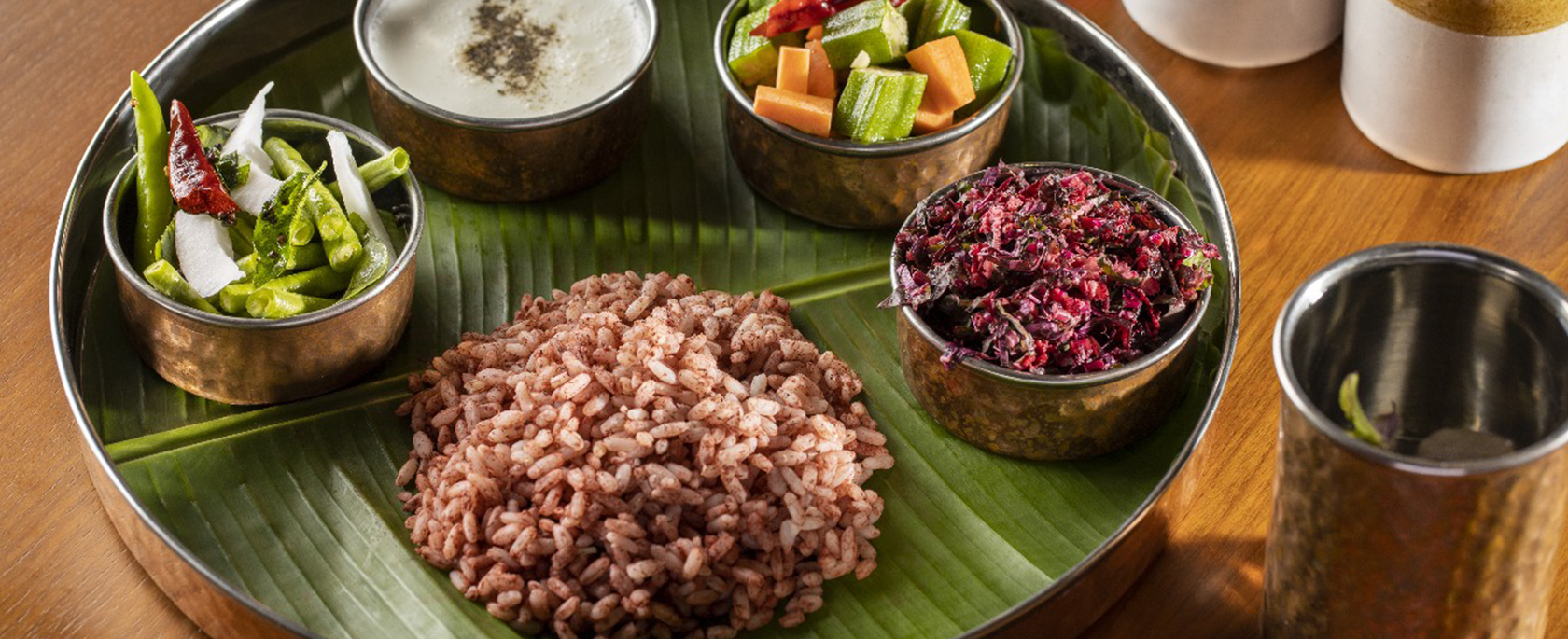
This is where Ayurveda, a 3,000-year-old science of holistic healing, steps in. Ayurveda is not just about shedding pounds; it’s about restoring balance deep within your body, mind, and spirit. True well-being goes beyond mere weight loss. It’s about harmony, nourishment, and the rejuvenation of your whole self.
The Ayurvedic Approach to Weight Gain
Ayurveda believes in a personalised approach to weight loss, focusing on balancing all three doshas (vata, pitta, kapha), strengthening the digestive fire (agni), and detoxifying the body to remove the toxins (ama) that contribute to excess weight.
Ayurvedic Diet: Eating with Purpose
- Grains: Barley, quinoa, millet
- Vegetables: Leafy greens, asparagus, zucchini
- Fruits: Apples, pears, pomegranates
- Spices: Ginger, turmeric, cumin, black pepper
- Legumes: Lentils, mung beans
A Holistic Approach to Wellness: Ayurvedic Practices for Weight Loss

- Yoga and Pranayama: The Power of Movement In Ayurveda, movement is key to stimulating digestion and metabolism. Yoga poses like Ardha Matsyendrasana (Seated Twist) and Navasana (Boat Pose) activate the digestive system, while Surya Namaskar (Sun Salutations) promotes flexibility and vitality. Breathwork, such as Kapalbhati (Skull Shining Breath), is specifically designed to enhance the body’s metabolic rate and promote fat burning.
- A Consistent Daily Routine (Dinacharya) Ayurveda encourages a consistent routine to restore balance and promote well-being. Start your day with a warm glass of lemon water to awaken your digestive system. Include abhyanga (self-massage) with warm sesame oil to enhance circulation, followed by a balanced breakfast of light grains and fruits. Ensuring you sleep early (before 10 PM) allows the body to restore itself fully, balancing hormones and supporting digestion overnight.
- Herbal Support for Weight Loss Ayurveda offers a powerful arsenal of herbs to aid in digestion and metabolism:
- Triphala: A detoxifying blend of three fruits that enhances digestion and elimination.
- Trikatu: A combination of ginger, black pepper, and long pepper that stimulates agni and promotes fat burning.
- Guggul: Known for its ability to balance cholesterol and reduce excess fat.
The Mind-Body Connection: Beyond Just Diet
- Meditation: A daily practice to soothe the mind, release stress, and foster mindful eating habits.
- Mindful Eating: Ayurveda teaches you to eat with awareness. By chewing slowly and savoring each bite, you give your body the chance to process food more effectively, helping prevent overeating.
- Panchakarma: Ayurvedic detoxification therapies designed to cleanse the body of accumulated toxins (ama) and reset the digestive system.
Ayurveda for Weight Loss: A Holistic Lifestyle, Not a Quick Fix

If you’re ready to embark on a transformative journey to health—one that is rooted in tradition, guided by nature, and backed by expert wisdom—there’s no better place than Kerala, the heartland of authentic Ayurveda.
Nestled in the serene landscapes of Alleppey, Amal Tamara, an NABH-certified Ayurvedic hospital, offers an immersive weight loss programme that goes far beyond just shedding pounds. At Amal Tamara, our approach is deeply personalised, treating each guest’s unique constitution and needs. From tailored diet plans and potent herbal therapies to daily wellness routines and stress management, our Ayurvedic weight loss programme is designed to bring sustainable well-being. Here, weight loss isn’t a struggle; it’s a journey of self-discovery, rejuvenation, and lasting vitality.
Trust in the transformative power of Ayurveda, and embrace your health with a holistic approach that nurtures both body and soul. At Amal Tamara, you’re not just losing weight—you’re gaining a life full of vitality, balance, and harmony.
Are you ready to begin your weight-loss journey where Ayurveda thrives in its purest form?Book your session today.
FAQs
Yes, Ayurveda supports intermittent fasting in a balanced and mindful way, known as Langhana therapy. However, it does not advocate extreme fasting. Instead, gentle practices like eating an early, light dinner, avoiding frequent snacking, and incorporating warm herbal teas can help reset digestion and enhance metabolism without causing stress to the body.
Yes, Ayurvedic remedies focus on reducing visceral fat by improving digestion, reducing toxin accumulation (ama), and boosting metabolism. Herbal formulations like Trikatu (a blend of ginger, black pepper, and long pepper), along with daily abhyanga (self-massage with warm oils) and yoga poses that target the core, can support fat loss around the abdomen.
Ayurveda offers gentle and holistic methods for postnatal weight loss, focusing on restoring digestion, improving metabolism, and strengthening the body after childbirth. Specialised Ayurvedic massages (Udwarthana – dry powder massage), and a dosha-balancing diet can help new mothers lose weight gradually while ensuring vitality and recovery.
Yes, a sluggish metabolism is often linked to an imbalance in Agni (digestive fire). Ayurveda recommends Kapha-pacifying foods, warm spices like ginger and black pepper, detoxifying herbs like Triphala, and daily movement (such as yoga and brisk walking) to naturally boost metabolism without overstimulating the system.
Ayurveda considers hormonal imbalances as a disruption in the body’s natural dosha equilibrium, often linked to excess Kapha or Pitta. Balancing Agni, supporting the liver’s detoxification function, and incorporating herbs like Ashwagandha, Shatavari, and Guduchi can help regulate hormones, reduce water retention, and promote a healthy weight.
Absolutely. One of the key principles of Ayurveda for weight loss is its customisation to an individual’s constitution (prakriti) and health conditions. Ayurvedic practitioners can modify meal plans, replacing allergenic or restricted foods with alternatives that still align with your dosha balance and weight loss goals.