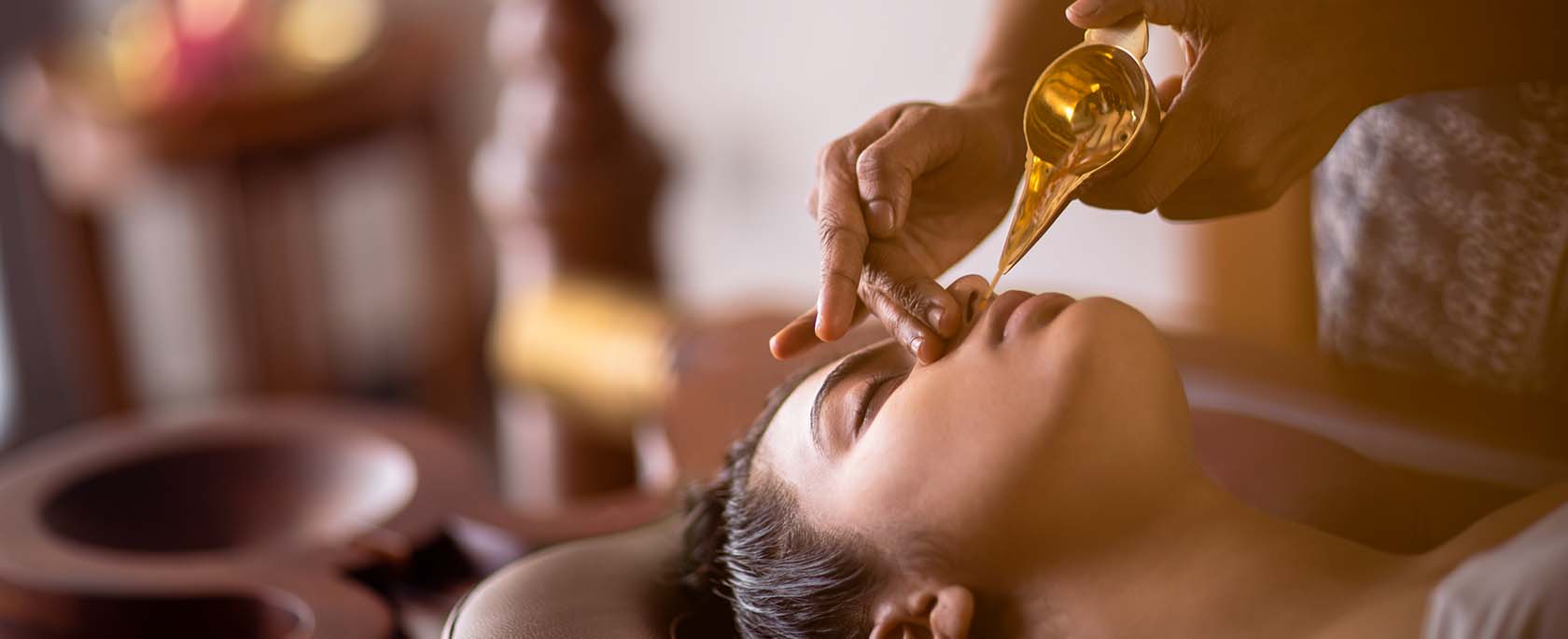
Panchakarma is a treatment, an ancient Ayurvedic detox therapy, which offers a scientifically backed and time-honoured solutions to cleanse, rejuvenate, and restore balance in the body. The Panchakarma centres in Kerala are known to offer the most authentic experience.
Famous celebrities like singer Katy Perry and athlete Aaron Rodgers have sought out this profound healing process. But beyond the glamour, true Panchakarma is deeply rooted in India’s traditional medicine system.
If you’re considering an Ayurvedic Panchakarma treatment, this guide will walk you through its process, benefits, and why Kerala is the ideal destination for this transformational therapy.
What is Panchakarma Treatment?
Panchakarma, meaning “five actions,” is a detoxification and rejuvenation therapy in Ayurveda. Unlike modern spa detoxes, it is a comprehensive, doctor-supervised program that eliminates deep-seated toxins (Ama) and restores the body’s natural equilibrium.
The five core treatments of Panchakarma include:
A full Ayurvedic Panchakarma treatment follows a structured approach to prepare the body, detoxify, and rejuvenate.
Famous celebrities like singer Katy Perry and athlete Aaron Rodgers have sought out this profound healing process. But beyond the glamour, true Panchakarma is deeply rooted in India’s traditional medicine system.
If you’re considering an Ayurvedic Panchakarma treatment, this guide will walk you through its process, benefits, and why Kerala is the ideal destination for this transformational therapy.
What is Panchakarma Treatment?
Panchakarma, meaning “five actions,” is a detoxification and rejuvenation therapy in Ayurveda. Unlike modern spa detoxes, it is a comprehensive, doctor-supervised program that eliminates deep-seated toxins (Ama) and restores the body’s natural equilibrium.
The five core treatments of Panchakarma include:
- Virechana (Therapeutic Purgation): Cleansing of the liver and intestines through herbal purgation.
- Vasti (Therapeutic Enema): Medicated oil or herbal decoctions used to detoxify the colon.
- Nasya (Nasal Administration): Herbal oils and extracts used to clear the upper respiratory tract (nasal passages and sinuses).
- Raktamokshana (Bloodletting):Removal of impure blood to treat specific ailments.
A full Ayurvedic Panchakarma treatment follows a structured approach to prepare the body, detoxify, and rejuvenate.
- Purva Karma (Preparation Phase) Before the detox begins, the body is prepped through dietary modifications, herbal medications, and therapeutic massages.
- Snehana (Oleation): Internal consumption of medicated ghee and external oil massages (Abhyanga) help loosen toxins.
- Swedana (Sudation): Herbal steam therapy opens channels, promoting toxin removal.
- Pradhana Karma (Main Detox Phase) This is the core cleansing stage, where one or more of the five Panchakarma therapies are administered based on individual needs. Supporting treatments include:
- Shirodhara: A steady stream of medicated oil poured on the forehead to relieve stress.
- Takradhara: Medicated buttermilk therapy to calm the nervous system.
- Pizhichil: A rhythmic oil-dripping therapy for musculoskeletal rejuvenation.
- Paschat Karma (Rejuvenation Phase) Post-detox, the body requires time to rebuild strength. This phase includes:
- Rasayana (Rejuvenative formulations) to restore vitality and immunity.
- A controlled diet and lifestyle regimen to sustain the benefits.
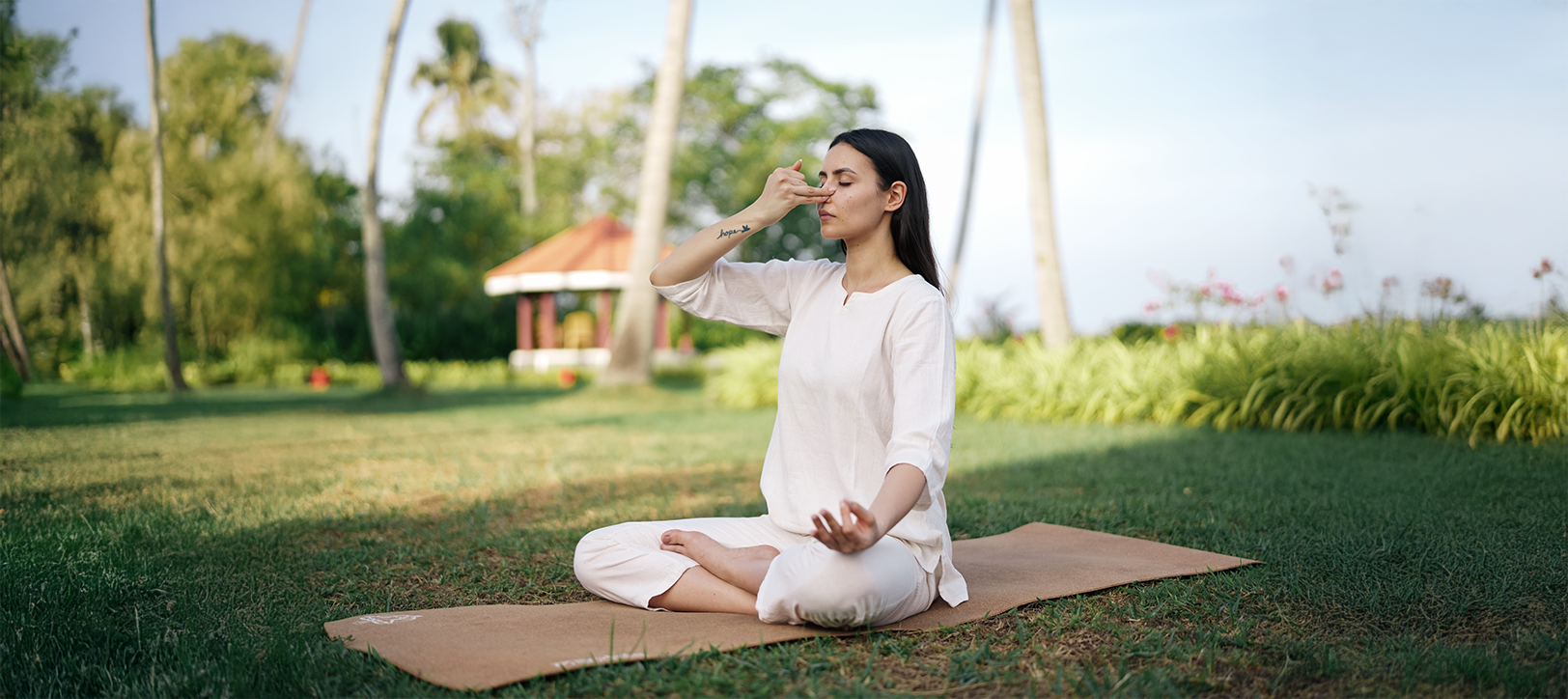
- Yoga, pranayama, and meditation to maintain holistic wellness.
- The modern lifestyle exposes us to countless toxins—processed foods, stress, pollution, and chemicals—all of which accumulate in the body. A regular Ayurvedic Panchakarma treatment helps counteract these effects.

Key Panchakarma benefits include:
Home to authentic Kerala Panchakarma centres, this South Indian state is considered the heartland of Ayurveda. Kerala offers the perfect healing environment—lush greenery, pure air, medicinal plants, and expert Ayurvedic physicians (Vaidyas). The Amal Tamara is one such Ayurveda centre in Kerala that offers the following benefits to the patients (Amal Yatris).
A complete Ayurvedic Panchakarma treatment typically lasts 21-42 days, but shorter programs (around 3 weeks) are available for general detox. Temporary side effects like fatigue, nausea, and mild flu-like symptoms may occur as toxins are released, but these are part of the body’s healing response.
Frequently Asked Questions (FAQs)
- Comprehensive Detoxification: Eliminates accumulated toxins and prevents disease recurrence.
- Improved Digestion and Metabolism: Strengthens the digestive fire (Agni) for better gut health.
- Stronger Immunity: Helps prevent infections and chronic diseases.
- Reduced Stress and Mental Clarity: Relieves anxiety, depression, and mental fog.
- Anti-Aging and Rejuvenation: Enhances skin glow, vitality, and longevity.
- Management of Chronic Diseases: Aids in treating respiratory, cardiovascular, dermatological, and gastrointestinal disorders.
Home to authentic Kerala Panchakarma centres, this South Indian state is considered the heartland of Ayurveda. Kerala offers the perfect healing environment—lush greenery, pure air, medicinal plants, and expert Ayurvedic physicians (Vaidyas). The Amal Tamara is one such Ayurveda centre in Kerala that offers the following benefits to the patients (Amal Yatris).
- Traditional Ayurvedic treatments guided by expert Vaidyas: Patients receive authentic Ayurvedic therapies under the supervision of experienced physicians, ensuring personalised and effective care.
- Customised Ayurvedic diets to enhance detox benefits: Wholesome, organic, vegetarian meals are curated according to each individual’s body constitution and ailments, promoting optimal detoxification and healing.
- Yoga, meditation, and holistic therapies to complement Panchakarma: Daily group yoga and meditation sessions, along with private therapeutic yoga sessions, are integrated into the treatment programs to support overall well-being.
- Serene natural settings for deep relaxation and healing: Set in the tranquil backwaters of Alleppey, Amal Tamara provides an environment conducive to calmness, peace, and renewal, enhancing the healing experience.
A complete Ayurvedic Panchakarma treatment typically lasts 21-42 days, but shorter programs (around 3 weeks) are available for general detox. Temporary side effects like fatigue, nausea, and mild flu-like symptoms may occur as toxins are released, but these are part of the body’s healing response.
Frequently Asked Questions (FAQs)
- Can Panchakarma benefits help in managing modern lifestyle issues like stress and burnout? Yes, Ayurvedic Panchakarma treatment benefits effectively manage issues like anxiety, and burnout caused by fast-paced lifestyles. The Panchakarma detox process helps calm the nervous system and enhances mental clarity.
- Is there a specific season or time of the year best suited for Ayurvedic Panchakarma treatment? While Panchakarma treatment can be done year-round, Ayurveda traditionally recommends undergoing detox during seasonal transitions—especially during monsoon and autumn. These periods help the body reset and adapt to changing environmental conditions, enhancing the therapy’s effectiveness.
- What makes an authentic Kerala Panchakarma centre different from a wellness spa? Unlike wellness spas that focus primarily on relaxation, an authentic Kerala Panchakarma centre follows a structured, doctor-supervised Ayurvedic process. Treatments are deeply personalised, rooted in ancient medical texts, and designed to cleanse toxins at a physiological level rather than just offering temporary relief. For example, The Amal Tamara is a 5 star Ayurvedic Hospital that is known for being a renowned Panchakarma centre that offers tailored Ayurvedic therapies, and expert-guided detox programs to people.
- Are there any dietary restrictions to follow before and after Panchakarma treatment? Yes, a strict diet is essential for maximising Panchakarma benefits. Before treatment, a light, easily digestible diet is recommended to prepare the body. After detox, a customised Ayurvedic diet helps rebuild strength, maintain gut health, and sustain the effects of the therapy.
- Can the Ayurvedic Panchakarma treatment be combined with other holistic wellness practices? Absolutely! Panchakarma works synergistically with yoga, pranayama, meditation, and mindfulness practices. These complementary therapies enhance detoxification, improve energy flow, and support long-term health and well-being.