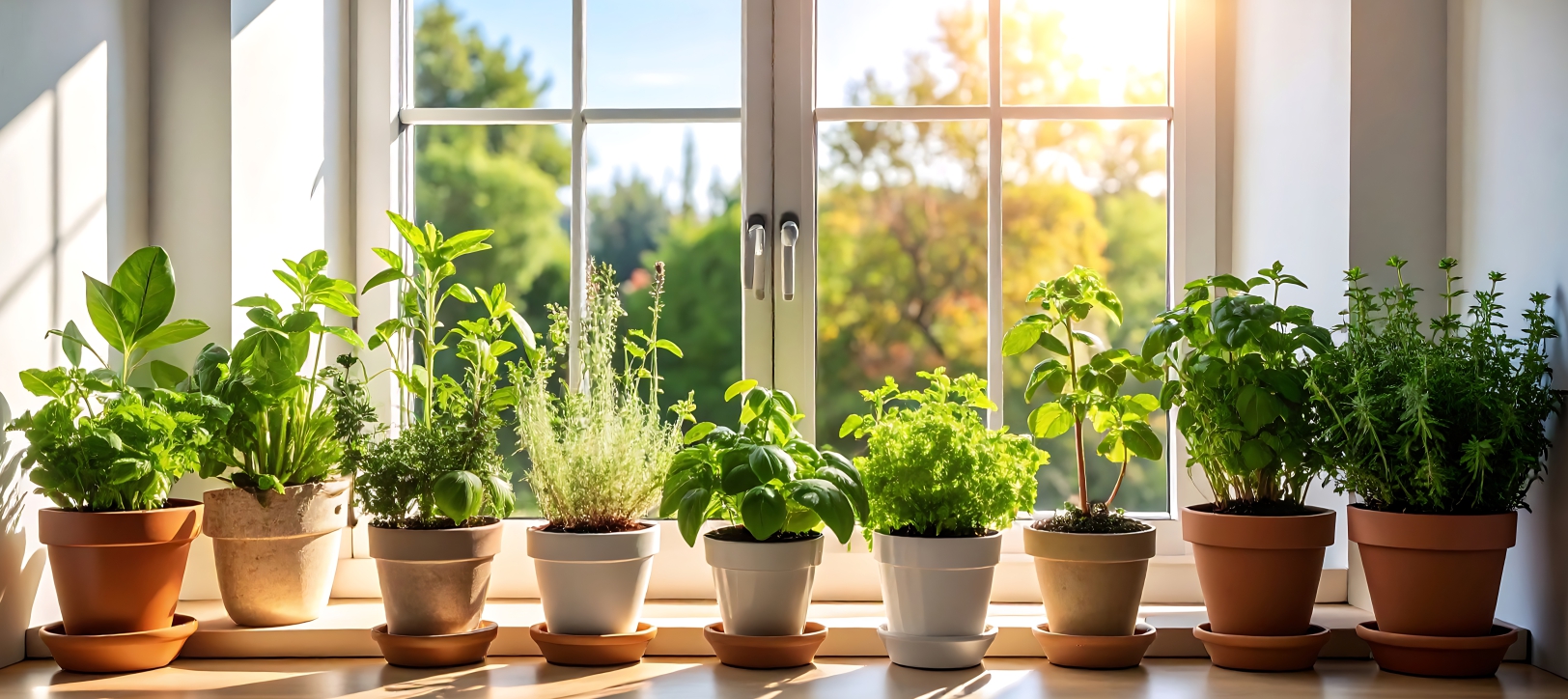
A home garden is a dream many of us hold close. An ayurvedic garden at home adds intention to it; It becomes a living source of balance, comfort, and everyday healing. Long before packaged supplements and bottled remedies, families relied on ayurvedic garden plants growing just outside their homes to support basic ailments like indigestion, low immunity, skin issues, and body imbalance.
At Amal Tamara, we see Ayurveda as a living practice, one that extends beyond treatments into daily life. Creating a herbal ayurvedic garden at home is a simple way to reconnect with this wisdom, using a trusted list to grow remedies that are fresh, potent, and deeply personal.
At Amal Tamara, we see Ayurveda as a living practice, one that extends beyond treatments into daily life. Creating a herbal ayurvedic garden at home is a simple way to reconnect with this wisdom, using a trusted list to grow remedies that are fresh, potent, and deeply personal.
Grow your Ayurvedic Garden at Home
Ayurvedic garden plants are medicinal herbs that grow easily in Indian homes when given simple, consistent care. Before planting, understanding a few basics helps ensure healthy growth and better potency.
General guidelines to begin your ayurvedic garden:
–Choose the right location: A balcony, terrace, backyard, or sunny windowsill works well for most ayurvedic plants
–Sunlight matters: Most plants need 4 to 6 hours of sunlight daily for proper growth
–Prepare the soil: Use well-drained soil mixed with organic compost to support healthy roots
–Select proper containers: Earthen pots or grow bags with drainage holes prevent water stagnation
–Water wisely: Keep the soil moist but avoid overwatering, which can damage roots
–Plant during mild seasons: Avoid extreme heat or heavy rains when starting your garden
–Avoid chemicals: Use natural fertilisers and pest control methods to maintain medicinal quality
–Harvest gently: Regular, careful harvesting encourages healthy regrowth
With these simple steps, growing and maintaining an ayurvedic herbal garden at home becomes easy and rewarding. At Amal Tamara, such daily practices reflect the Ayurvedic belief that healing begins with mindful care and connection to nature.
–Sunlight matters: Most plants need 4 to 6 hours of sunlight daily for proper growth
–Prepare the soil: Use well-drained soil mixed with organic compost to support healthy roots
–Select proper containers: Earthen pots or grow bags with drainage holes prevent water stagnation
–Water wisely: Keep the soil moist but avoid overwatering, which can damage roots
–Plant during mild seasons: Avoid extreme heat or heavy rains when starting your garden
–Avoid chemicals: Use natural fertilisers and pest control methods to maintain medicinal quality
–Harvest gently: Regular, careful harvesting encourages healthy regrowth
Ayurvedic Plants List, Care, and Uses
Tulsi (Holy Basil)
Tulsi holds a central place in an Ayurvedic garden at home for supporting immunity, respiratory health, and stress balance. Fresh leaves are commonly used to prepare herbal teas, added to warm water, or chewed daily as part of a morning routine. Tulsi is especially helpful during seasonal changes and is often grown close to the home for regular use.
Care and Growing Tips:
-Sunlight: 4 to 6 hours of direct sunlight daily
-Soil: Well-drained loamy soil with organic compost
-Water: Light daily watering, avoid water stagnation
-Time to grow: Ready for use in 6 to 8 weeks
Tip: Let the plucked leaves rest for a few hours before use to reduce excess bitterness. -Soil: Well-drained loamy soil with organic compost
-Water: Light daily watering, avoid water stagnation
-Time to grow: Ready for use in 6 to 8 weeks

Neem
Neem is traditionally used in Ayurveda for skin health, detoxification, and immune support. Its leaves are known for their bitter taste and purifying qualities. Neem grows into a tree and is best suited for larger outdoor Ayurvedic gardens.
Care and Growing Tips:
-Sunlight: Full sunlight
-Soil: Sandy or loamy soil
-Water: Moderate watering, drought-resistant once established
-Time to grow: Matures in 1 to 2 years
-Harvesting: Use young leaves sparingly
Tip: Neem seedlings grow slowly at first; patience in the first year is key. -Soil: Sandy or loamy soil
-Water: Moderate watering, drought-resistant once established
-Time to grow: Matures in 1 to 2 years
-Harvesting: Use young leaves sparingly

Brahmi
Brahmi is traditionally used in Ayurveda to support memory, concentration, and emotional calm. Fresh Brahmi leaves are commonly added to juices or infused into oils for head massage to ease mental fatigue. It is especially valued for students, professionals, and those experiencing stress or disturbed sleep. In an ayurvedic herbal garden, Brahmi represents nourishment for the mind and nervous system.
Care and Growing Tips:
-Sunlight: Partial shade or filtered sunlight
-Soil: Moist, fertile soil
-Water: Keep soil consistently moist
-Time to grow: Ready in 6 to 8 weeks
-Harvesting: Use tender stems and leaves
Tip: Brahmi prefers moist surroundings and light misting to thrive at its best. -Soil: Moist, fertile soil
-Water: Keep soil consistently moist
-Time to grow: Ready in 6 to 8 weeks
-Harvesting: Use tender stems and leaves

Ashwagandha
Ashwagandha is traditionally used in Ayurveda to build strength, support energy levels, and improve the body’s ability to cope with stress. The roots are dried and powdered to prepare herbal drinks, taken with warm milk, or used in rejuvenative formulations. Ashwagandha is not meant for quick use but for steady, long-term support, making it a valuable addition to an ayurvedic herbal garden at home focused on deeper healing.
Care and Growing Tips:
-Sunlight: Full sunlight
-Soil: Sandy, well-drained soil
-Water: Light watering, drought-tolerant once established
-Time to grow: 5 to 6 months before harvesting roots
-Harvesting: Roots are collected once the plant matures fully
Tip: Ashwagandha grows best in an ayurvedic garden when the soil is kept dry between watering cycles, mimicking its natural habitat. -Soil: Sandy, well-drained soil
-Water: Light watering, drought-tolerant once established
-Time to grow: 5 to 6 months before harvesting roots
-Harvesting: Roots are collected once the plant matures fully

Butterfly Pea
Butterfly Pea is traditionally valued in Ayurveda for supporting memory, mental clarity, and emotional calm. The deep blue flowers are commonly used to prepare herbal teas that are known for their cooling, antioxidant, and calming properties. Butterfly Pea tea is often consumed to support cognitive function, reduce mental fatigue, and promote restful sleep.
Care and Growing Tips:
–Sunlight: Full sunlight to partial shade
–Soil: Well-drained soil enriched with organic compost
–Water: Moderate watering, avoid waterlogging
–Time to grow: Flowers begin appearing in 8 to 10 weeks
–Harvesting: Pick fresh flowers regularly to encourage blooming
Tip: Butterfly Pea thrives as a climber, so providing a small trellis or support helps the plant grow stronger and produce more flowers. –Soil: Well-drained soil enriched with organic compost
–Water: Moderate watering, avoid waterlogging
–Time to grow: Flowers begin appearing in 8 to 10 weeks
–Harvesting: Pick fresh flowers regularly to encourage blooming

Turmeric
Turmeric is one of the most versatile plants in Ayurveda, used daily for digestion, joint comfort, skin health, immunity, and a lot more. Fresh turmeric rhizomes can be dried and powdered for cooking, mixed with warm milk for nightly use, or applied externally as a paste for minor skin concerns. Growing turmeric at home in a herbal Ayurvedic garden ensures purity and allows its medicinal use to extend naturally into everyday meals.
Care and Growing Tips:
-Sunlight: Partial shade or mild sunlight
-Soil: Loose, well-drained soil rich in compost
-Water: Moderate watering, keep soil moist but not soggy
-Time to grow: 7 to 10 months for mature rhizomes
-Harvesting: Dig up rhizomes once leaves begin to yellow
Tip: Break a healthy turmeric root into pieces, ensuring each piece has at least one bud, and plant it directly into loose, compost-rich soil. -Soil: Loose, well-drained soil rich in compost
-Water: Moderate watering, keep soil moist but not soggy
-Time to grow: 7 to 10 months for mature rhizomes
-Harvesting: Dig up rhizomes once leaves begin to yellow

Bhringraj
Bhringraj is traditionally used in Ayurveda to support hair growth, reduce hair fall, and strengthen the scalp. Fresh leaves are commonly infused into oils for regular head massage, helping improve circulation to the scalp and promote restful sleep. Bhringraj is also used in mild decoctions to support liver health and calm the nervous system. It is an ayurvedic garden plant most valued for both external care and gentle internal use.
Care and Growing Tips:
-Sunlight: Partial sunlight or filtered light
-Soil: Moist, fertile soil with good organic matter
-Water: Regular watering to keep soil consistently damp
-Time to grow: Ready for use in 6 to 8 weeks
-Harvesting: Trim leaves and tender stems regularly
Tip: Bhringraj grows especially well when planted near water-rich areas or where occasional misting is possible. -Soil: Moist, fertile soil with good organic matter
-Water: Regular watering to keep soil consistently damp
-Time to grow: Ready for use in 6 to 8 weeks
-Harvesting: Trim leaves and tender stems regularly

Using Ayurvedic Garden Plants Safely and Mindfully
While ayurvedic garden plants offer natural support for daily wellness, Ayurveda emphasises the importance of moderation and appropriate use. Medicinal herbs are meant to support the body gently, not replace balanced meals or medical guidance.
It is also important to recognise that not every herb suits everyone. Factors such as body constitution, existing health conditions, season, and digestion influence how herbs should be used.
At Amal Tamara, Ayurveda is practised as a complete system of care that combines traditional wisdom with professional guidance. Alongside treatments and consultations, mindful practices such as growing and using ayurvedic garden plants reflect the same principle of thoughtful, personalised healing. By approaching Ayurveda with awareness and restraint, wellbeing becomes sustainable and rooted in understanding rather than excess.
FAQs
Choose plants based on climate, space, and daily needs rather than growing many at once. A small, well-maintained garden is more effective.
Yes. Over-harvesting weakens the plant and reduces potency. Gentle, periodic harvesting is recommended to maintain balance within the herbal garden.
Many ayurvedic garden plants are most effective when used fresh. Drying is helpful for storage, but fresh leaves and roots retain stronger aroma and vitality.
Yes. Ayurveda traditionally recommends harvesting herbs in the morning, after dew has dried, as this is when their natural potency is considered most balanced.
Both methods are effective. Cuttings offer quicker results, while seeds support stronger root systems over time.