Understanding Ayurveda and PCOS
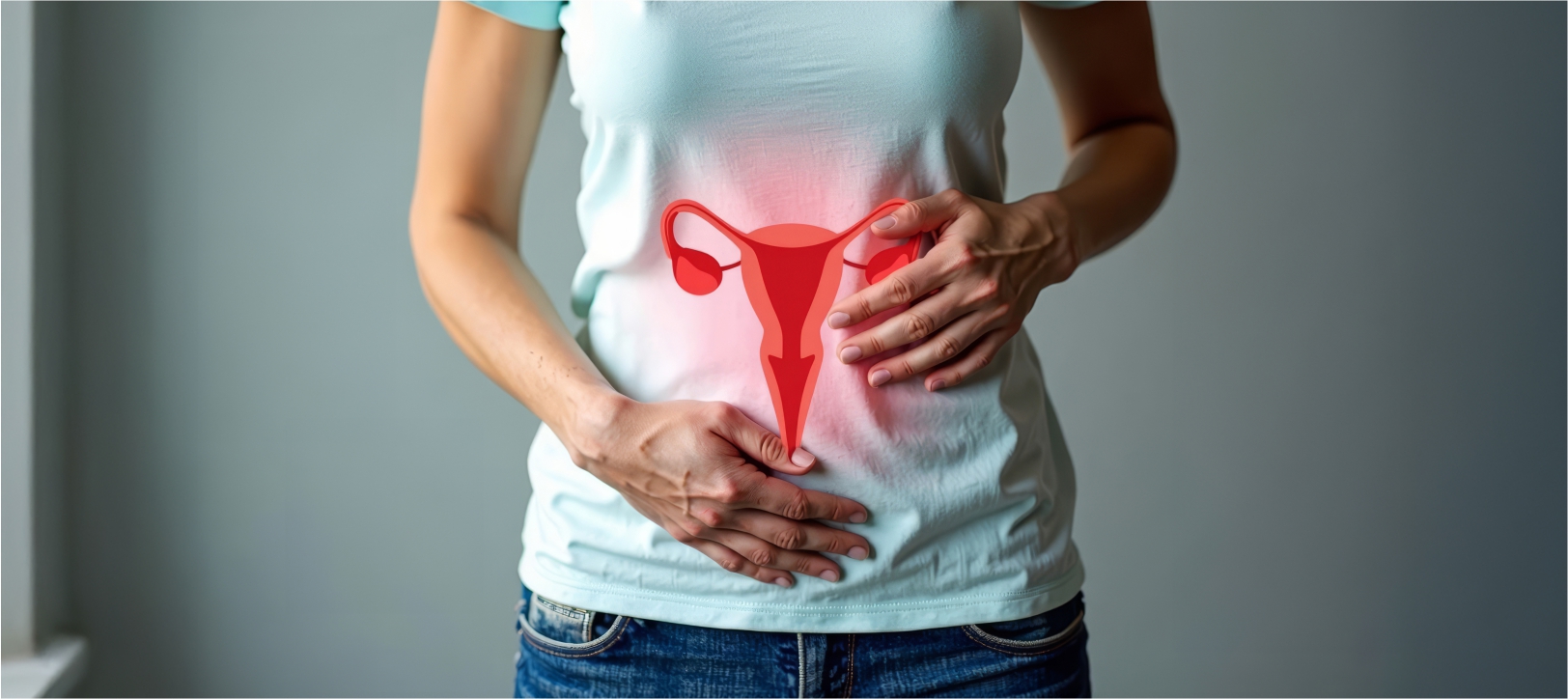
PCOS, or Polycystic Ovary Syndrome, has become one of the most widespread health challenges for women today. It affects not just the body but also emotional well-being, creating struggles with irregular periods, weight fluctuations, skin and hair issues, and fertility concerns. The journey can often feel overwhelming, especially when conventional treatments focus only on symptom control through pills and hormone therapies.
Ayurveda offers a gentler, more holistic perspective. Instead of viewing PCOS as a stand-alone disorder, Ayurveda sees it as a manifestation of imbalance within the body’s natural energies. With its emphasis on restoring harmony and addressing the root cause, Ayurvedic treatment for PCOS goes beyond symptom relief to bring long-term wellness. By nurturing digestion, cleansing toxins, and regulating the body’s rhythms, Ayurveda provides women with tools to regain balance and confidence in their health journey.
At Amal Tamara, a NABH-certified Ayurvedic hospital, treatments for PCOS are designed with the same principle of addressing the root cause while restoring balance and harmony.
Ayurveda offers a gentler, more holistic perspective. Instead of viewing PCOS as a stand-alone disorder, Ayurveda sees it as a manifestation of imbalance within the body’s natural energies. With its emphasis on restoring harmony and addressing the root cause, Ayurvedic treatment for PCOS goes beyond symptom relief to bring long-term wellness. By nurturing digestion, cleansing toxins, and regulating the body’s rhythms, Ayurveda provides women with tools to regain balance and confidence in their health journey.
At Amal Tamara, a NABH-certified Ayurvedic hospital, treatments for PCOS are designed with the same principle of addressing the root cause while restoring balance and harmony.
Key Ayurvedic Treatments for PCOS
Every woman’s experience with PCOS is unique, and so are the treatments Ayurveda prescribes. Guided by the principle of individual constitution, therapies are tailored to address both the immediate discomfort and the underlying imbalance.
Panchakarma therapies like Virechana (detoxification through gentle purgation), Basti (herbal enema), and Udvartana (herbal powder massage) are often recommended to clear toxins, regulate metabolism, and support reproductive health. Alongside this, herbs such as Shatavari, Ashoka, Triphala, and Guduchi are used to nourish the reproductive system, balance cycles, and reduce inflammation.
For women looking to restore regularity, Ayurvedic medicines such as Kanchanar Guggulu or Ashokarishta are sometimes prescribed under professional care. Together, these treatments form a comprehensive plan, addressing not only physical PCOS symptoms but also emotional stress and fatigue that accompany the condition.
At Amal Tamara, therapies such as Virechana, Basti, and Janu Vasti are tailored by experienced vaidyas. Herbal formulations are freshly prepared, ensuring safe and effective Ayurvedic treatment for PCOS.
Panchakarma therapies like Virechana (detoxification through gentle purgation), Basti (herbal enema), and Udvartana (herbal powder massage) are often recommended to clear toxins, regulate metabolism, and support reproductive health. Alongside this, herbs such as Shatavari, Ashoka, Triphala, and Guduchi are used to nourish the reproductive system, balance cycles, and reduce inflammation.
For women looking to restore regularity, Ayurvedic medicines such as Kanchanar Guggulu or Ashokarishta are sometimes prescribed under professional care. Together, these treatments form a comprehensive plan, addressing not only physical PCOS symptoms but also emotional stress and fatigue that accompany the condition.
At Amal Tamara, therapies such as Virechana, Basti, and Janu Vasti are tailored by experienced vaidyas. Herbal formulations are freshly prepared, ensuring safe and effective Ayurvedic treatment for PCOS.
Ayurvedic Doshas and PCOS
Ayurveda understands health through the balance of the three doshas – Vata, Pitta, and Kapha. PCOS is most often linked with a Kapha imbalance, yet Vata and Pitta disturbances also play a role.
- Kapha imbalance leads to sluggish metabolism, weight gain, insulin resistance, and cyst formation.
- Vata imbalance contributes to irregular or absent periods, poor ovulation, and heightened stress.
- Pitta imbalance shows up as acne, hair fall, and mood swings linked to hormonal fluctuations.
Long-term Benefits of Ayurvedic Treatment for PCOS
Unlike approaches that offer quick relief but little permanence, the benefits of Ayurvedic treatment for PCOS unfold gradually yet lastingly. When practised with consistency, Ayurveda can:
- Regulate menstrual cycles and restore ovulation.
- Improve fertility by enhancing egg quality and hormonal rhythm.
- Reduce insulin resistance, making weight management easier.
- Clear acne and skin issues associated with Pitta imbalance.
- Support emotional stability and reduce anxiety or mood swings.
Lifestyle Changes in Ayurveda for PCOS
Healing through Ayurveda is as much about daily living as it is about therapies. Small, mindful choices create big shifts over time.
Regular physical activity such as yoga, brisk walking, or swimming is encouraged to balance Kapha and stimulate metabolism. Meditation, pranayama, and self-care rituals like Abhyanga (oil massage) help reduce stress, which is often a hidden contributor to worsening PCOS symptoms.
Diet plays a vital role too. Ayurveda recommends warm, light meals with plenty of greens, whole grains, and spices like turmeric and ginger. Foods that are cold, processed, or heavy are best avoided, as they aggravate Kapha and slow digestion. A healthy sleep routine further helps regulate hormones, bringing the body back into rhythm.
These lifestyle shifts are not restrictive; rather, they are nurturing, creating a foundation for the benefits of Ayurvedic treatment for PCOS to last long after therapies are complete.
Guests at Amal Tamara follow personalised routines, including diet charts and guided yoga, which strengthen the long-term benefits of Ayurvedic treatment for PCOS.
Regular physical activity such as yoga, brisk walking, or swimming is encouraged to balance Kapha and stimulate metabolism. Meditation, pranayama, and self-care rituals like Abhyanga (oil massage) help reduce stress, which is often a hidden contributor to worsening PCOS symptoms.
Diet plays a vital role too. Ayurveda recommends warm, light meals with plenty of greens, whole grains, and spices like turmeric and ginger. Foods that are cold, processed, or heavy are best avoided, as they aggravate Kapha and slow digestion. A healthy sleep routine further helps regulate hormones, bringing the body back into rhythm.
These lifestyle shifts are not restrictive; rather, they are nurturing, creating a foundation for the benefits of Ayurvedic treatment for PCOS to last long after therapies are complete.
Guests at Amal Tamara follow personalised routines, including diet charts and guided yoga, which strengthen the long-term benefits of Ayurvedic treatment for PCOS.

Consulting an Ayurvedic Practitioner
While home practices are helpful, professional guidance is essential for effective healing. An Ayurvedic practitioner assesses each woman’s dosha constitution, digestion, stress levels, and lifestyle before suggesting a plan. This may include a combination of herbs, therapies, and dietary guidance designed to restore balance in a personalised way.
The journey with Ayurvedic treatment for PCOS is not about quick fixes but about understanding the body’s signals and responding with care. With expert consultation, women can find confidence in a healing path that feels both compassionate and effective.
At Amal Tamara, every PCOS treatment journey begins with a detailed consultation with an Ayurvedic physician. Your prakriti (constitution), lifestyle, and symptoms are carefully analysed before a personalised healing plan is designed.
The journey with Ayurvedic treatment for PCOS is not about quick fixes but about understanding the body’s signals and responding with care. With expert consultation, women can find confidence in a healing path that feels both compassionate and effective.
At Amal Tamara, every PCOS treatment journey begins with a detailed consultation with an Ayurvedic physician. Your prakriti (constitution), lifestyle, and symptoms are carefully analysed before a personalised healing plan is designed.
PCOS Treatment Pitfalls and What Ayurveda Advises to Avoid
Ayurveda does not only guide what to do but also gently cautions against habits that can worsen PCOS.
- Skipping meals disrupts digestion and aggravates Vata.
- Cold or heavy foods increase Kapha and cyst formation.
- High stress raises cortisol and worsens hormonal imbalance.
- Late nights disturb the body’s natural rhythms.
- Unsupervised use of medicines, Ayurvedic or modern, can do more harm than good.
Healing PCOS the Ayurvedic Way
PCOS may be a modern health challenge, but Ayurveda’s timeless wisdom provides a natural, nurturing path forward. With its focus on balancing Ayurvedic doshas and PCOS, cleansing toxins, strengthening metabolism, and guiding lifestyle choices, it offers women not just relief from PCOS symptoms but also a renewed sense of harmony within.
Choosing Ayurvedic treatment for PCOS is not about managing an illness, it is about embracing a way of life where the body feels lighter, the mind calmer, and health more sustainable. It is a journey of returning to balance, step by step, supported by nature’s remedies and the wisdom of tradition.
Choosing Ayurveda for PCOS is choosing sustainable, holistic healing. At Amal Tamara, treatments for PCOS are designed to address the root cause while restoring balance.
Choosing Ayurvedic treatment for PCOS is not about managing an illness, it is about embracing a way of life where the body feels lighter, the mind calmer, and health more sustainable. It is a journey of returning to balance, step by step, supported by nature’s remedies and the wisdom of tradition.
Choosing Ayurveda for PCOS is choosing sustainable, holistic healing. At Amal Tamara, treatments for PCOS are designed to address the root cause while restoring balance.
FAQs
Therapies like Panchakarma, herbs such as Shatavari and Ashoka, and dietary corrections are effective elements of Ayurvedic treatment for PCOS.
Ayurveda focuses on long-term management and balance. While PCOS may not disappear overnight, consistent Ayurvedic treatment for PCOS can restore cycles, reduce cysts, and improve fertility naturally.
Irregular periods, acne, hair loss, weight gain, mood swings, and infertility are common PCOS symptoms that Ayurveda addresses.
Ayurvedic doshas and PCOS are closely connected: Kapha imbalance causes cysts, Vata leads to irregularity, and Pitta triggers acne and inflammation.
The benefits of Ayurvedic treatment for PCOS include natural hormonal balance, improved fertility, clear skin, better weight management, and emotional stability.