Causes, Symptoms, and Treatment of White Patches on Skin

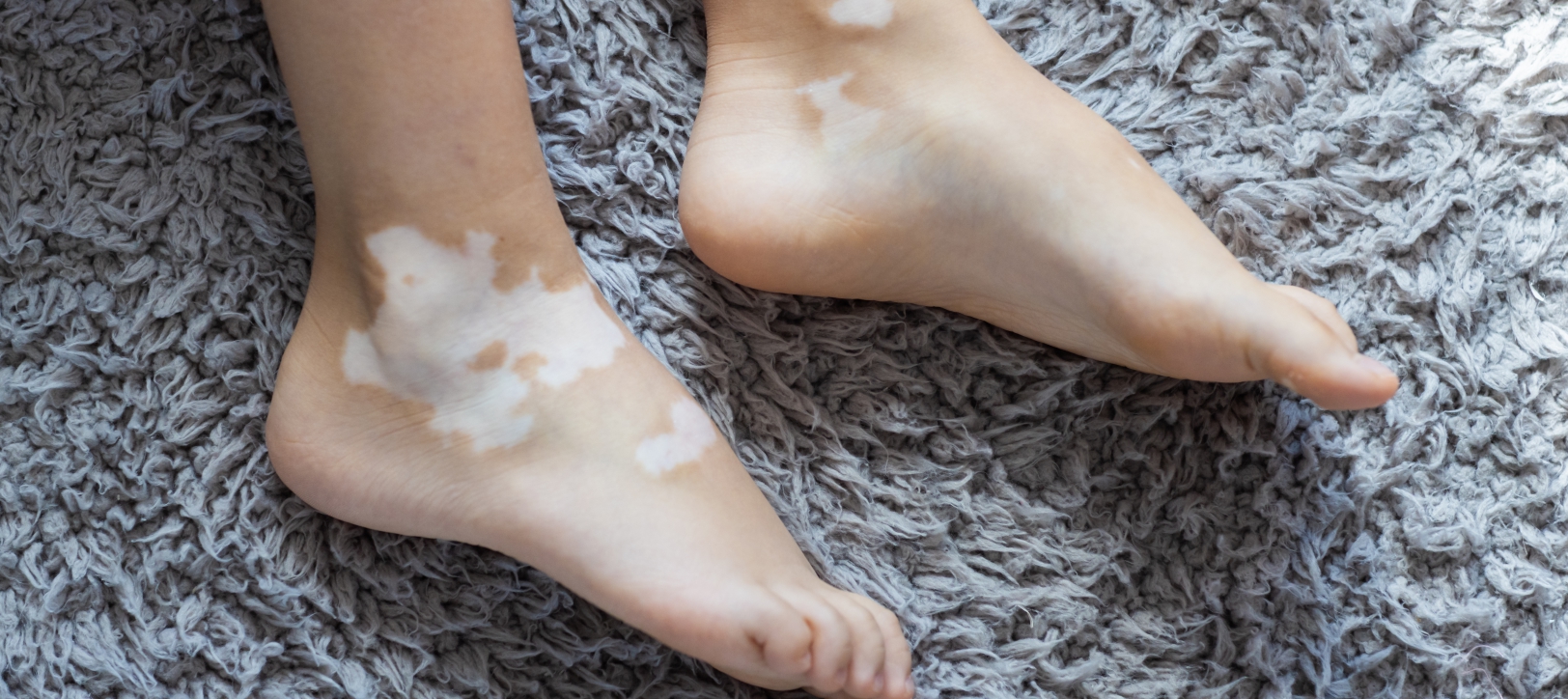
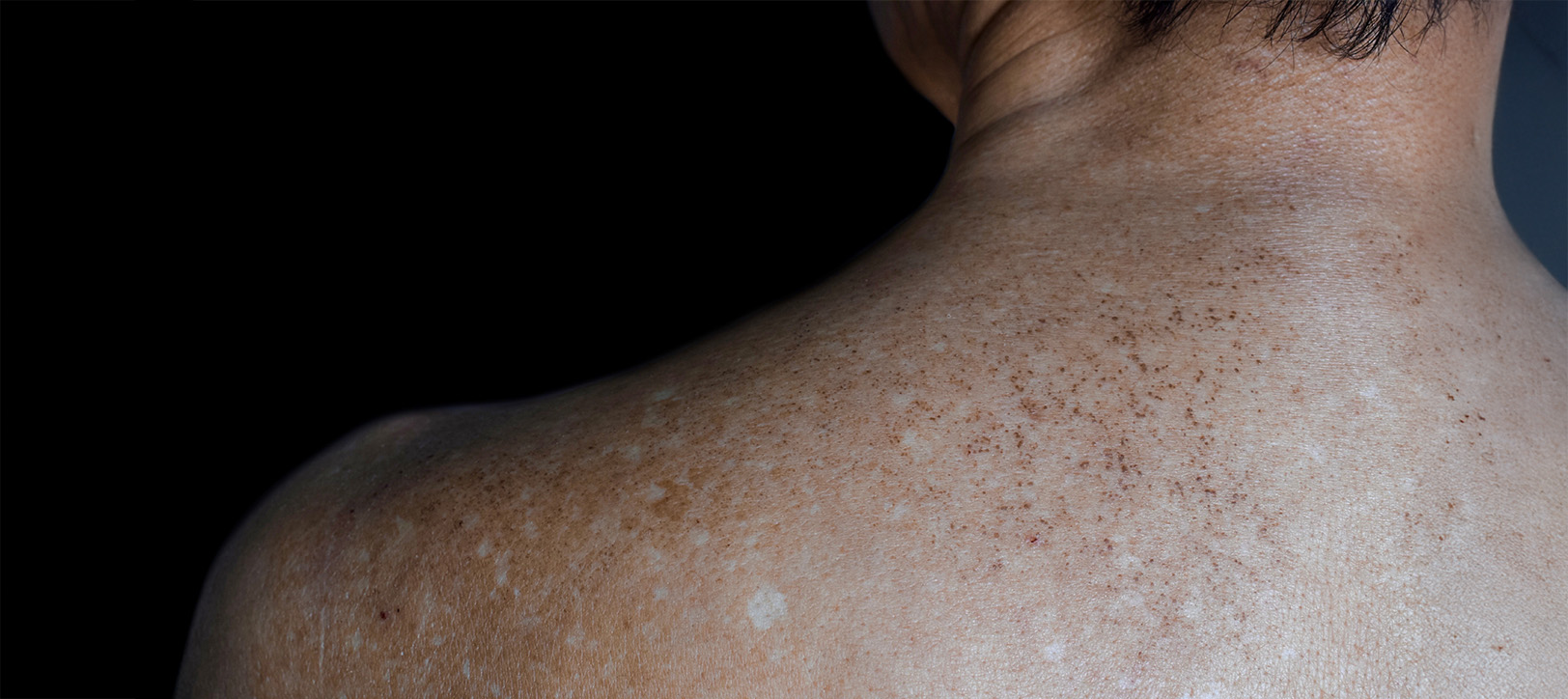
White patches on skin are more common than most people realise and can show up at any stage of life. They often appear slowly and may be noticed on different parts of the body, including white patches on the face. While they are not always serious, their sudden visibility can raise questions and concerns, especially when the cause isn’t clear.
At Amal Tamara, skin changes like these are often understood as the body’s way of signalling that something needs attention. White patches can develop due to a mix of factors, from nutritional gaps and lifestyle stress to underlying skin conditions. Taking the time to understand these triggers helps in choosing the right care approach and supporting healthier skin in the long run.

What Are White Patches on Skin?

Skin health is closely connected to digestion (Agni), the balance of Doshas, the quality of body tissues (Dhatus), and the accumulation of toxins (Ama). When these internal systems are disturbed over time, changes in skin colour and texture can begin to appear.
Classical Ayurvedic texts group most skin conditions under Kushta Roga, a broad category that includes various forms of skin discolouration and degeneration. Within this framework, white patches on the skin are seen as the result of disrupted pigmentation processes caused by Dosha imbalance, impaired tissue nourishment, and weakened metabolic activity at the skin level.

Ayurvedic View of Skin Discolouration

According to Ayurveda, normal skin colour is maintained by Bhrajaka Pitta, a subtype of Pitta Dosha responsible for pigmentation and radiance. When Bhrajaka Pitta becomes disturbed, the skin may lose its natural tone, leading to pale or white patches. This disturbance is often supported by involvement of deeper tissues such as Rakta (blood), Mamsa (muscle), and Meda (fat), which explains why white patches on skin may persist or gradually spread if not addressed early.
White patches on the face are considered particularly significant, as facial skin is more sensitive to internal imbalances and environmental exposure, making pigmentation changes more noticeable.

Common Causes of White Patches on Skin

White patches on skin can develop due to a combination of internal and external factors. Some of the commonly observed causes include:
  • Fungal infections: Certain fungal infections can cause lighter patches on the skin, often with mild scaling or dryness, especially in warm and humid conditions.
  • Nutritional deficiencies: Low levels of nutrients such as vitamin B12, vitamin D, iron, or folate can affect skin pigmentation over time.
  • Digestive imbalance: Poor digestion and absorption may impact nutrient availability to the skin, leading to pigmentation changes.
  • Sun exposure: Excessive or uneven sun exposure can make white patches more noticeable by increasing contrast with surrounding skin.
  • Previous skin inflammation or injury:Areas affected by burns, rashes, acne, or other skin trauma may heal with altered pigmentation.
  • Mild eczema or dry skin conditions: In some cases, eczema can heal with lighter patches, especially in children or people with sensitive skin.
  • Chronic stress:Long-term stress may influence hormonal balance and skin health, contributing to pigmentation irregularities.

How White Patches Develop (Samprapti)

The development of white patches on skin begins with Dosha corruption, primarily involving Pitta, followed by impairment of skin-level metabolism. Reduced nourishment to the tissues responsible for pigmentation leads to visible colour loss. If Dhatu strength remains compromised, the condition can become chronic, highlighting the need for sustained and guided care for white patches on the skin.

Symptoms of White Patches on Skin

White patches on skin often develop quietly, without pain or irritation, which is why they may go unnoticed in the early stages. The affected areas usually appear lighter than the surrounding skin while remaining normal in texture, creating a contrast that becomes more visible over time, particularly on sun-exposed areas such as the face.
Beyond colour changes, some people experience reduced sweating or sensitivity over the patches, suggesting altered skin metabolism. White patches on the face may feel more prominent due to constant exposure and environmental stress. These visible signs are sometimes accompanied by less obvious changes such as digestive imbalance, increased stress sensitivity, or overall dryness of the skin, indicating deeper internal disturbance.
Recognising these subtle and visible symptoms together helps in understanding white patches on the skin as a condition that reflects internal imbalance rather than a purely surface-level change.

Ayurvedic Treatment of White Patches on Skin

Ayurveda approaches the treatment of white patches on skin by addressing the internal imbalances that affect pigmentation, rather than focusing only on the visible changes. Treatment is individualised and typically involves improving digestion, reducing toxin accumulation, and supporting healthy skin metabolism. As pigmentation responds gradually, Ayurveda emphasises consistency, discipline, and supervised care.
Key treatment components may include:
  • Shodhana treatments,such as Virechana in Pitta-dominant cases or Vamana where Kapha involvement is identified, conducted under medical supervision
  • Internal herbal formulations to support blood purification, improve skin metabolism, and nourish weakened Dhatus
  • Medicated ghee preparations that help restore tissue strength and balance Doshas
  • External application of Bakuchi Taila, used judiciously and often combined with controlled exposure to sunlight to support natural pigmentation
  • Herbal pastes (lepa) prepared with ingredients such as Manjishta and Neem, selected based on skin type and sensitivity
  • Dietary regulation, including avoidance of incompatible food combinations, sour and excessively salty foods, and adherence to a Satvik diet
This integrative approach focuses on sustained skin health by addressing the root causes behind pigmentation changes and supporting the body’s natural repair processes. At Amal Tamara, treatment plans for skin conditions are carefully tailored through clinical evaluation, combining classical Ayurvedic principles with personalised care to guide gradual and balanced improvement.

Special Attention on Nail Discolouration

White spots on nails are often overlooked, but they can be an early sign of internal imbalance or repeated external stress. Nails reflect overall health, and changes in their colour or texture may point towards nutritional deficiencies, digestive disturbances, or minor trauma to the nail bed that goes unnoticed during daily activities.
Common causes of white spots on nails include deficiencies of nutrients such as zinc, calcium, or iron, poor absorption linked to weakened digestion, and frequent exposure to chemicals through nail products or detergents. In some cases, recurring white spots may also be associated with chronic stress or underlying skin and nail conditions.

Daily Care for White Patches on Skin

Here are some methods that can help reduce white patches and manage them effectively.
  • Skin-friendly product usage: Use gentle products and avoid frequent changes or harsh treatments that may disturb the skin barrier.
  • Nutrition and hydration: Support skin health with balanced meals, proper hydration, and avoidance of incompatible food combinations.
  • Sun protection: Limit uncontrolled sun exposure and protect exposed areas to prevent increased contrast in skin tone.
  • Stress management: Maintain regular routines and manage stress, as prolonged stress can influence skin health and healing.
Seeking professional help is important when white patches on skin persist, spread, or begin to affect visible areas such as the face. Early consultation allows for proper evaluation of underlying causes, accurate identification of the skin condition, and guidance on appropriate treatment.
Supervised care is especially important when considering specialised treatments or medicated applications, as improper or delayed intervention may affect outcomes. At Amal Tamara, care is guided by experienced Ayurvedic doctors who assess both external skin changes and internal imbalances, helping create a personalised treatment plan that supports balanced pigmentation and long-term skin health.

FAQs

Not always. White patches on skin can develop due to a range of factors, from temporary imbalance to more persistent skin conditions. Proper evaluation helps determine their significance.

In some cases, white patches may remain stable, while in others they can gradually spread, especially if underlying causes are not addressed.

Yes. Digestion and nutrition play an important role in skin health. Incompatible food combinations, poor digestion, and dietary imbalance may contribute to skin changes.

Improvement in skin pigmentation is gradual. Treatment duration varies based on the cause, individual response, and consistency of care.

Self-treatment or unsupervised use of topical applications is not recommended, as it may worsen the condition or delay appropriate care.

Causes, Symptoms, and Treatment of White Patches on Skin

Share:

Table of Contents

On Key

Related Posts

Vitiligo Causes, Symptoms, and Management

In recent years, vitiligo has become a condition many people are hearing about more often, whether through conversations, medical discussions, or personal experiences. Vitiligo causes