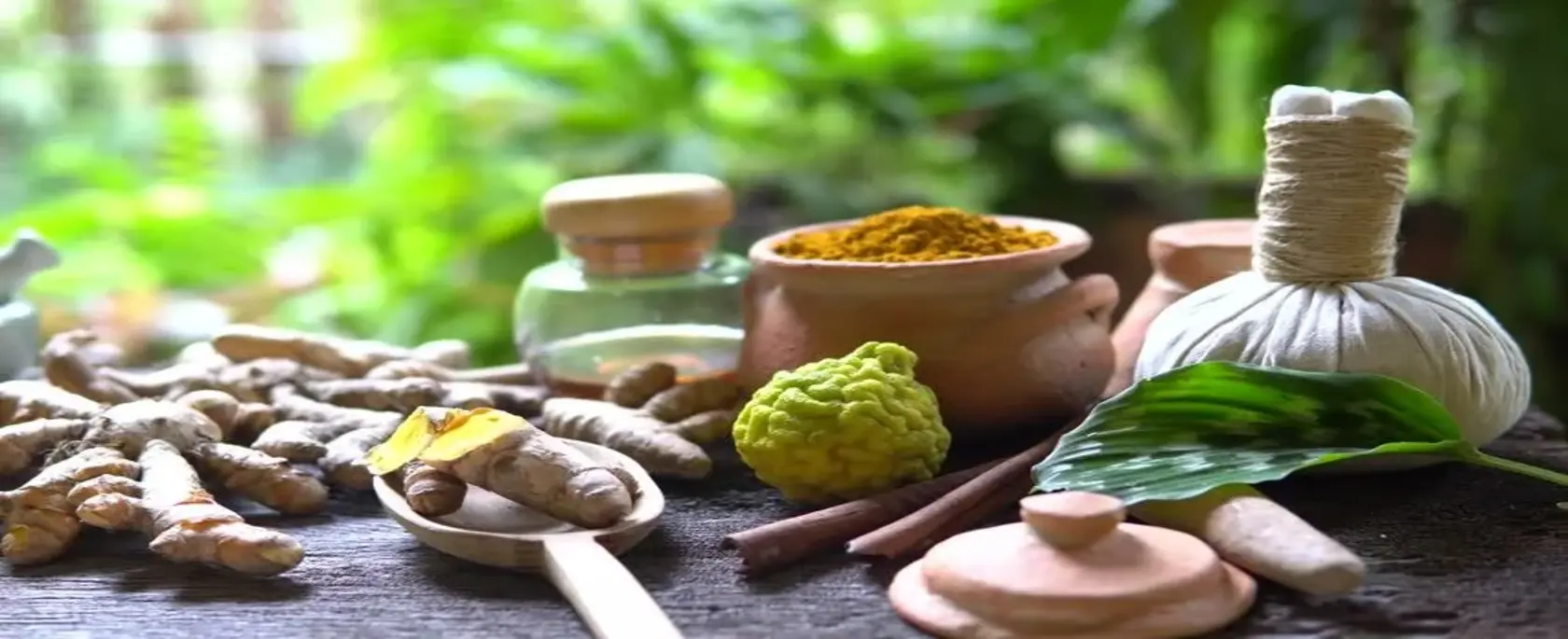
Breast milk is widely recognised as the most natural and nourishing source of nutrition for newborns, offering a rich blend of essential nutrients, antibodies, and vital bonding opportunities. Yet, many new mothers encounter difficulties with milk production postpartum, raising concerns about their baby’s nourishment. Ayurveda offers a holistic perspective on why these challenges may arise and provides a range of natural remedies to support lactation.
Understanding Challenges in Milk Production
Hormonal Imbalance: A key factor in low milk supply is hormonal imbalance, particularly the insufficient secretion of prolactin and oxytocin – hormones vital for milk production and release. Stress, anxiety, and certain medical conditions can further disrupt the functions of these hormones.
Poor Nutrition:An inadequate diet lacking essential nutrients like iron, calcium, and vitamins can lead to fatigue and reduced milk production.
Feeding Difficulties: Proper latching and frequent feeding are crucial for stimulating milk production. If the baby does not latch correctly or if the feeding is not frequent enough, the breasts may not empty properly, signalling the body to produce less milk.
Fatigue and Stress: Postpartum recovery, combined with sleep deprivation and stress, can negatively impact milk production. High stress levels can elevate cortisol, inhibiting oxytocin and reducing milk let-down.
Medical Conditions: Conditions such as PCOS, thyroid imbalances, or diabetes, as well as certain medications or previous breast surgeries, can affect milk supply.
Ayurvedic Insights on Breast Milk Production
Ayurveda views breast milk production as a process influenced by the balance of the three doshas: vata, pitta, and kapha. According to Ayurvedic principles, breast milk (Stanya) is derived from Rasa Dhatu, the primary tissue responsible for nourishment. Imbalances in doshas or depletion of Rasa Dhatu can impact milk production and quality.
Vata Imbalance: Characterised by dryness and instability, vata imbalance can reduce lactation. This often results from improper diet, lack of rest, or high levels of anxiety and stress.
Pitta Imbalance: Governing metabolism and heat, excess pitta due to anger or frustration can lead to inflammatory conditions, affecting milk production and causing breastfeeding discomfort.
Kapha Imbalance: When in excess, kapha can cause lethargy and poor digestion, leading to complications like clogged milk ducts and reduced milk flow.
Ayurvedic Herbs to Improve Lactation
In Ayurveda, a specialised group of herbs known as Sthanya Janana is used to support and enhance breast milk production. These herbs are valued for their ability to promote lactation, improve milk quality, support breast health, and stimulate the process of milk production:
Shatavari: Enhances prolactin secretion, balances hormones, cools excess pitta, and nourishes reproductive tissues. It can be taken as a powder mixed with warm milk or water, or in capsule form as prescribed by an Ayurvedic practitioner.
Fenugreek: Known for its phytoestrogens, fenugreek seeds mimic oestrogen to promote milk production. They can be soaked overnight and consumed with warm water or brewed as tea.
Fennel: Balances hormones and stimulates milk production while aiding digestion for both mother and baby. Use fennel seeds to prepare herbal tea or chew them after meals.
Cumin Seeds: Improve digestion and metabolism, indirectly supporting milk production. Rich in iron, cumin can be consumed as cumin water (boiled seeds in water) or added to meals.
Dill Seeds: Rich in magnesium, iron, and calcium, dill seeds support postpartum recovery and milk production. Add dill seeds to meals or consume them in water.
Liquorice Root: Balances hormones and reduces stress with its adaptogenic properties. It helps manage stress, enhancing oxytocin levels and promoting milk let-down. Liquorice can be taken as tea or powder, but consult with a practitioner due to potential side effects.
Gokshura:Known for its diuretic properties, Gokshura supports fluid balance and hormonal regulation, indirectly benefiting milk production. It can be taken in powder or capsule form, based on an Ayurvedic practitioner’s advice.
Understanding Challenges in Milk Production
Hormonal Imbalance: A key factor in low milk supply is hormonal imbalance, particularly the insufficient secretion of prolactin and oxytocin – hormones vital for milk production and release. Stress, anxiety, and certain medical conditions can further disrupt the functions of these hormones.
Poor Nutrition:An inadequate diet lacking essential nutrients like iron, calcium, and vitamins can lead to fatigue and reduced milk production.
Feeding Difficulties: Proper latching and frequent feeding are crucial for stimulating milk production. If the baby does not latch correctly or if the feeding is not frequent enough, the breasts may not empty properly, signalling the body to produce less milk.
Fatigue and Stress: Postpartum recovery, combined with sleep deprivation and stress, can negatively impact milk production. High stress levels can elevate cortisol, inhibiting oxytocin and reducing milk let-down.
Medical Conditions: Conditions such as PCOS, thyroid imbalances, or diabetes, as well as certain medications or previous breast surgeries, can affect milk supply.
Ayurvedic Insights on Breast Milk Production
Ayurveda views breast milk production as a process influenced by the balance of the three doshas: vata, pitta, and kapha. According to Ayurvedic principles, breast milk (Stanya) is derived from Rasa Dhatu, the primary tissue responsible for nourishment. Imbalances in doshas or depletion of Rasa Dhatu can impact milk production and quality.
Vata Imbalance: Characterised by dryness and instability, vata imbalance can reduce lactation. This often results from improper diet, lack of rest, or high levels of anxiety and stress.
Pitta Imbalance: Governing metabolism and heat, excess pitta due to anger or frustration can lead to inflammatory conditions, affecting milk production and causing breastfeeding discomfort.
Kapha Imbalance: When in excess, kapha can cause lethargy and poor digestion, leading to complications like clogged milk ducts and reduced milk flow.
Ayurvedic Herbs to Improve Lactation
In Ayurveda, a specialised group of herbs known as Sthanya Janana is used to support and enhance breast milk production. These herbs are valued for their ability to promote lactation, improve milk quality, support breast health, and stimulate the process of milk production:
Shatavari: Enhances prolactin secretion, balances hormones, cools excess pitta, and nourishes reproductive tissues. It can be taken as a powder mixed with warm milk or water, or in capsule form as prescribed by an Ayurvedic practitioner.
Fenugreek: Known for its phytoestrogens, fenugreek seeds mimic oestrogen to promote milk production. They can be soaked overnight and consumed with warm water or brewed as tea.
Fennel: Balances hormones and stimulates milk production while aiding digestion for both mother and baby. Use fennel seeds to prepare herbal tea or chew them after meals.
Cumin Seeds: Improve digestion and metabolism, indirectly supporting milk production. Rich in iron, cumin can be consumed as cumin water (boiled seeds in water) or added to meals.
Dill Seeds: Rich in magnesium, iron, and calcium, dill seeds support postpartum recovery and milk production. Add dill seeds to meals or consume them in water.
Liquorice Root: Balances hormones and reduces stress with its adaptogenic properties. It helps manage stress, enhancing oxytocin levels and promoting milk let-down. Liquorice can be taken as tea or powder, but consult with a practitioner due to potential side effects.
Gokshura:Known for its diuretic properties, Gokshura supports fluid balance and hormonal regulation, indirectly benefiting milk production. It can be taken in powder or capsule form, based on an Ayurvedic practitioner’s advice.
Ayurveda offers a holistic approach to enhancing breast milk production by addressing the root causes and integrating natural remedies, dietary practices, and lifestyle changes. At Amal Tamara, our experienced Ayurvedic practitioners specialise in tailoring these holistic remedies to meet the unique needs of each new mother, ensuring a healthy start for both mother and baby. Book a doctor’s consultation today to learn more!