Ayurvedic Varicose Veins Treatment in Kerala

Tired, heavy legs, a dull ache that worsens through the day, or those dark, twisted veins that surface beneath the skin are familiar signs of varicose veins. While modern medicine focuses on the structural changes in the veins, varicose veins treatment in Ayurveda takes a more holistic view, addressing the issue as an imbalance in circulation and energy flow within the body. In Ayurveda, varicose veins are compared to Siragranthi, a condition where the siras (veins) become dilated or knotted due to imbalance in the doshas. This imbalance weakens the valves and vessel walls, leading to stagnation of blood. The Ayurvedic approach focuses on restoring balance, improving circulation, and strengthening venous integrity through internal and external therapies, diet, and lifestyle practices.

What are Varicose Veins?

Varicose veins occur when the veins lose their elasticity and become enlarged, twisted, or rope-like. They can develop anywhere in the body, though they are most common in the legs, where blood flow against gravity is naturally more challenging. Smaller, web-like patterns of veins that appear on the surface are known as spider veins, essentially milder versions of varicose veins.
Both superficial and deep veins can be affected. In most cases, varicose veins arise when the valves in the veins that prevent backflow of blood become weak or damaged, allowing blood to pool. Over time, this leads to swelling, discomfort, and visible discolouration.

What are the Symptoms of Varicose Veins?

Recognising the early signs of varicose veins can help in timely management. Common symptoms include:
    • Warped, enlarged, or bulging veins visible under the skin
    • Veins appearing deep purple or blue
    • Cramps or pain in the muscles, especially during the night
    • A heavy, aching, or burning sensation in the legs
    • Swelling in the lower legs
    • Itching and irritation around the affected veins
    If untreated, varicose veins can lead to further complications such as:
    • Persistent leg swelling
    • Varicose ulcers
    • Blood clots
    • Bleeding from the affected veins
    Ayurveda not only aims to relieve these symptoms but also addresses the underlying causes, strengthening venous walls, and improving the flow of blood and energy in the body.
  • Varicose Veins in Ayurveda

    In classical Ayurvedic texts, varicose veins are described under the condition known as Siragranthi. The term literally means “knotting of veins.” It occurs when Vata dosha, which governs circulation and movement, becomes aggravated, drying and weakening the veins. Pitta and Kapha involvement can cause inflammation, heaviness, and swelling.
    According to Ayurveda, this imbalance can stem from several factors like prolonged standing, lack of movement, poor digestion, or excessive physical strain that disturbs Vata in the lower limbs. Over time, the aggravated Vata dries the venous tissues, and Kapha causes stagnation, leading to the characteristic swelling and twisting of the veins.
    Thus, Ayurvedic treatment for varicose veins is not merely about external therapy; it focuses on correcting the internal dosha imbalance that weakens the venous system.
    At Amal Tamara, this principle of balance and restoration is at the heart of healing. Each therapy and herbal preparation is chosen mindfully to address individual constitution (Prakriti), stage of the condition, and lifestyle factors, ensuring that treatment is both gentle and effective.

    Ayurvedic Treatments for Varicose Veins

    Ayurveda offers a combination of internal medicines, external treatments, and lifestyle corrections to manage varicose veins naturally and effectively. The focus is on strengthening the veins, improving circulation, and reducing inflammation and discomfort.
    Siravyadha Varicose Treatment (Venesection)
    In Ayurveda, Siravyadha, or venesection, is considered the primary and most effective Ayurvedic treatment for varicose veins. It involves the controlled removal of a small amount of blood to reduce pressure in the affected veins and stimulate healthy circulation. This procedure is performed under the guidance of trained Ayurvedic physicians, ensuring safety and precision. It is known to relieve heaviness, swelling, and throbbing pain in the legs.
    Internal Medications for Varicose Veins
    Internal herbal formulations are prescribed to correct imbalances, improve blood flow, and reduce inflammation in the veins. Some of the commonly used Ayurvedic decoctions include:
    • Punarnavadi Kashayam – helps reduce swelling and supports fluid balance.
    • Guggulu Tikthakam Kashayam – aids in detoxifying and strengthening tissues.
    • Sahacharadi Kashayam – improves circulation and alleviates pain.
    • Chirivilwadi Kashayam – supports venous health and reduces congestion.
    These formulations, when taken under professional supervision, work synergistically to strengthen the vein walls and restore natural elasticity.
    Abhyanga (Oil Massage) for Varicose Veins
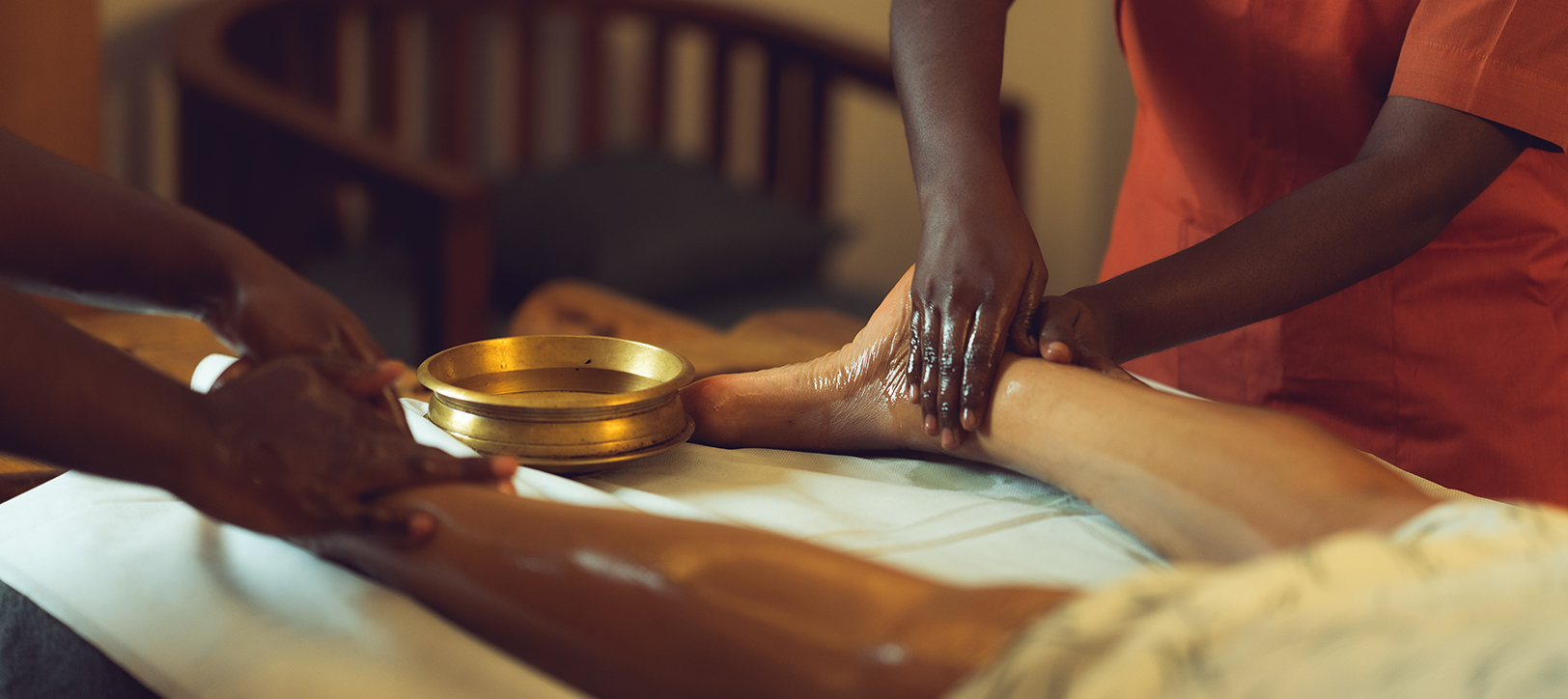
    For mild or early-stage varicose veins, gentle oil massage can be highly beneficial. Medicated oils such as Sahacharadi Thailam or Kottamchukkadi Thailam can be used to improve circulation, reduce stiffness, and ease discomfort. Regular massage helps keep the blood flow active and prevents stagnation in the lower limbs.
    Yoga and Physical Practices
    Yoga plays an essential role in treatment for varicose veins, as it improves blood flow and relieves pressure on the veins. Inverted postures are particularly beneficial as they allow gravity to aid circulation. Recommended poses include:
    • Viparita Karani (Legs-Up-the-Wall Pose)
    • Halasana (Plough Pose)
    • Sarvangasana (Shoulder Stand)
    These postures help drain stagnant blood from the legs, soothe the nervous system, and restore balance. However, they should be practised under guidance, especially for those with advanced varicose veins.
  • Lifestyle and Dietary Support in Ayurveda

    Diet plays a vital role in supporting venous health. Ayurveda recommends avoiding foods that increase Kapha and Ama (toxins), such as fried, processed, and excessively cold or oily foods.
    Recommended Foods for Varicose Treatment:
    • Eat plenty of high-fibre foods such as whole grains, beans and legumes. Fibre helps prevent constipation which otherwise increases pressure in leg veins.
    • Include antioxidant-rich fruits and vegetables (e.g., berries, citrus, leafy greens) to reduce inflammation and support vein-wall health.
    • Add potassium-rich foods like bananas, sweet potatoes, spinach and avocados which help manage fluid retention and blood pressure.
    • Choose foods rich in omega-3 fatty acids such as fatty fish, flaxseeds or walnuts to improve circulation and reduce venous stress.
    • Stay well-hydrated and drink herbal teas (such as ginger or chamomile) which aid circulation and drainage.
    • Use spices and herbs like turmeric and parsley for their anti-inflammatory and circulation-supporting benefits.
    • Dark chocolate (in moderation) and nuts/seeds (e.g., almonds, chia, pumpkin) bring flavonoids, healthy fats and nutrients that favour vein health.
    Foods to Avoid during Varicose Treatment:
    • Excess salt and sugar: These promote water retention and poor circulation.
    • Dairy-heavy or deep-fried foods: Such foods aggravate Kapha and contribute to heaviness and inflammation.
    • Fried and processed snacks: Like chips and fast food, which weaken digestion and increase toxin buildup.
    • Fermented items: Such as pickles and vinegar, which may aggravate swelling.
    • Sugary or carbonated beverages: They can dehydrate tissues and increase inflammation
    Adequate rest, stress management, and mindful exercise complete the Ayurvedic approach, ensuring that healing extends beyond symptom relief to total wellness.
  • Living Well with Ayurveda

    Varicose veins can be uncomfortable, but they don’t have to define your life. With Ayurvedic treatment for varicose veins, combined with mindful daily routines and holistic self-care, it’s possible to reduce pain, prevent recurrence, and strengthen the body naturally.
    Ayurveda reminds us that true healing begins when the body’s energies are in harmony. By nurturing circulation, calming Vata, and strengthening the venous channels, the body finds its rhythm of natural recovery.
    If you’re seeking personalised Ayurvedic care for varicose veins, the experienced physicians at Amal Tamara offer comprehensive wellness programs rooted in authentic tradition, combining internal medicine, therapeutic procedures, and restorative lifestyle guidance to help you find comfort, balance, and renewed vitality.

    FAQs

    Yes. Sleeping with your legs slightly elevated supports natural venous return. Ayurveda also advises avoiding sleeping on the stomach, as it can compress the abdomen and affect circulation.

    Yes. Kapha-aggravating seasons like late winter and spring may increase swelling and heaviness. During these times, dry brushing (Udwarthanam) and light, warming foods can help maintain balance.

    Yes. Warm herbal foot baths using ingredients like Epsom salt, ginger, or neem leaves can ease tension, improve circulation, and reduce swelling in the lower limbs.

    Yes. Ayurveda can aid in recovery after surgical or laser procedures by improving circulation, reducing inflammation, and strengthening vascular tissues through herbal formulations and massage therapies.

    Yes. Herbs like Punarnava, Guggulu, and Sahachara are often used to maintain venous tone and prevent fluid retention under professional guidance.
    Ayurvedic Varicose Veins Treatment in Kerala

    Share:

    Table of Contents

    On Key

    Related Posts

    Vitiligo Causes, Symptoms, and Management

    In recent years, vitiligo has become a condition many people are hearing about more often, whether through conversations, medical discussions, or personal experiences. Vitiligo causes