Ayurvedic Treatment for Psoriasis in Kerala

Psoriasis is a chronic skin condition that affects millions across the world, causing dry, scaly patches and persistent discomfort. While modern medicine focuses primarily on topical relief and symptom management, Ayurveda approaches the condition from a deeper perspective by restoring internal balance, purifying the body, and strengthening natural immunity. At Amal Tamara, an Ayurvedic hospital in Alleppey, Kerala, Psoriasis Ayurvedic treatment focuses on addressing the underlying causes of the disease by cleansing the system, reducing inflammation, and promoting long-term skin health through personalised treatments.
This ancient, holistic system provides a sustainable path to remission through detoxification, herbal treatment, dietary regulation, and lifestyle adjustments.

What is Psoriasis?

In Ayurveda, Psoriasis is often compared to Kitibha Kushta, a skin disorder arising from the imbalance of the three doshas (Vata, Pitta, and Kapha) along with impurities in the blood (Rakta). Poor diet, stress, irregular lifestyle habits, and suppressed natural urges can all contribute to these imbalances.
The condition manifests externally as thickened, itchy, and scaly skin, but Ayurveda recognises that the true cause lies within impaired metabolism and toxin accumulation. Hence, effective Psoriasis treatment in Ayurveda begins not just on the skin, but within the body’s internal systems.

What are the symptoms of Psoriasis in Ayurveda?

Psoriasis symptoms often develop gradually, with mild symptoms at first that may worsen over time if not treated properly. Ayurveda views these signs as reflections of internal imbalances (dosha vikruti), visible through the skin. Recognising early symptoms helps initiate timely Psoriasis Ayurvedic treatment and prevent chronic flare-ups.
Common symptoms of Psoriasis include:
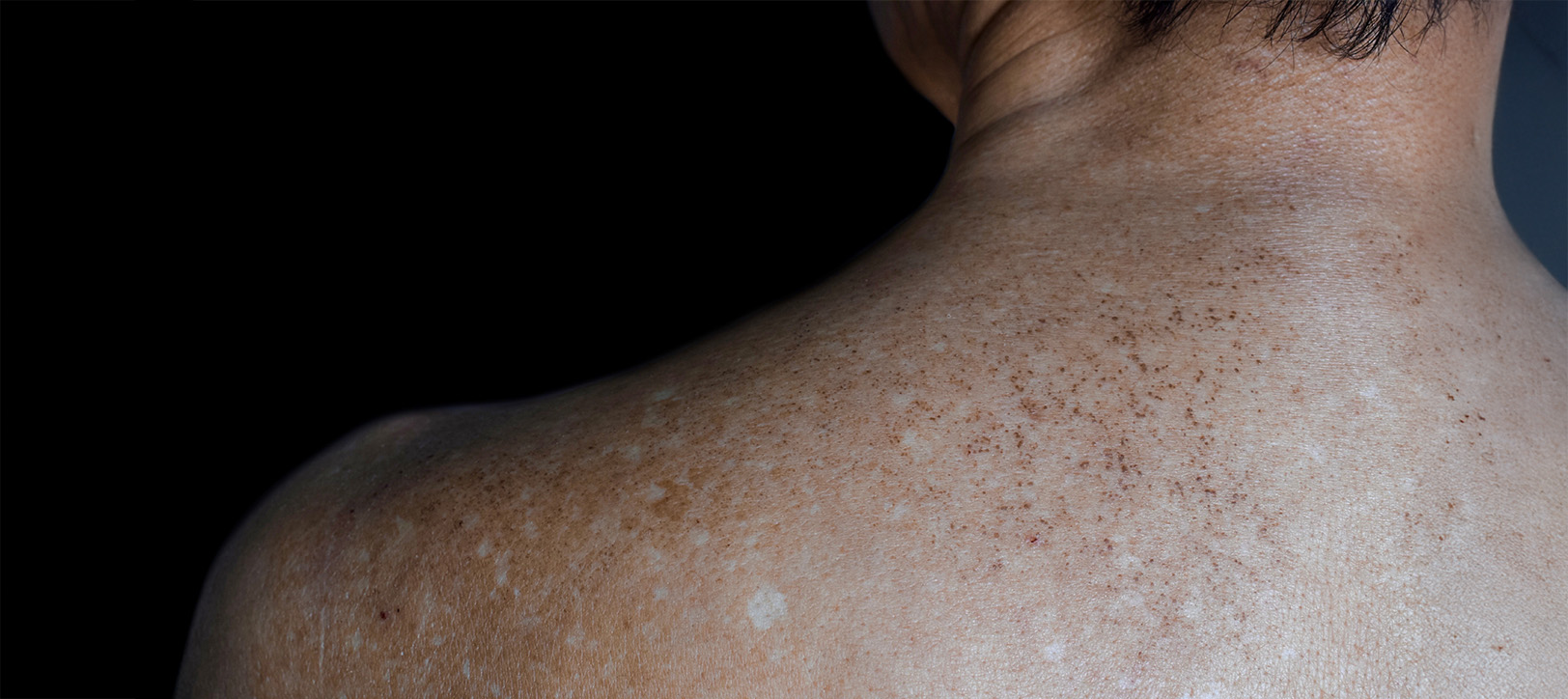
– Dry, thickened, and scaly skin patches
– Itching, redness, or burning sensation
– Flaky skin with white patches
– Cracked or bleeding skin
-Joint pain or stiffness in cases of Psoriatic Arthritis
-Visible scaling and dandruff-like flakes on the scalp
In Ayurvedic medicine, these symptoms indicate aggravated Vata and Kapha doshas leading to poor skin metabolism and toxin build-up (ama). Early Ayurvedic treatment for Psoriasis helps purify the blood, correct metabolic imbalances, and support healthy skin renewal.

What are the Ayurvedic treatments for Psoriasis?

Ayurveda offers a two-fold strategy for managing Psoriasis through Shodhana (purification) and Shamana (palliate). Both lines of treatment aim to cleanse the body, restore dosha balance, and prevent recurrence.
Shodhana Chikitsa: Detoxification and Purification
Shodhana Chikitsa in Ayurveda focuses on eliminating accumulated toxins and pacifying aggravated doshas. The process often includes Panchakarma, Ayurveda’s renowned fivefold detoxification treatment. At Amal Tamara, these treatments are customised under the supervision of experienced Ayurvedic physicians to suit each guest’s condition and body type.
Key procedures include:
Virechana (Purgation): A medicated enema used to cleanse the intestines and balance the Pitta dosha.
Vamana (Therapeutic Emesis): Inducing controlled vomiting to eliminate excess Kapha from the system.
Raktamokshana (Bloodletting): A traditional blood purification technique that helps reduce inflammation and skin irritation.
These treatments are performed at carefully spaced intervals for optimal results and to minimise relapses. The goal is to purify the body’s channels, improve digestion, and promote healthy functioning of skin tissues.
In addition to internal cleansing, external applications play an important role. Herbal oils such as Marichadi Thailam, Doorvadi Thailam, and Dhudhurapatradi Thailam are used to heal skin diseases in Ayurveda.
Shamana Chikitsa: Palliative and Maintenance Treatment
Once toxins are eliminated and dosha balance is restored, the Shamana Chikitsa in Ayurveda focuses on maintaining remission and preventing flare-ups. This line of treatment involves herbal medicines, medicated ghee preparation, and topical applications.
Some commonly prescribed formulations include:
Blood-purifying herbs: Neem (Azadirachta indica), Khadira (Acacia catechu), Guduchi (Tinospora cordifolia), and Manjishta (Rubia cordifolia), known for their detoxifying and anti-inflammatory properties.
Medicated ghee: Preparations like Guggulu Tikthaka Ghrita and Panchatiktha Ghrita are used internally to nourish skin tissues and balance Pitta.
Rasayana formulations: Rejuvenative medicines such as Kaishora Guggulu and Gandhak Rasayana support immunity and aid long-term recovery.
Together, these treatments strengthen the body’s internal systems and ensure that the effects of Psoriasis are not merely subdued but holistically managed.

Ayurvedic Diet and Lifestyle for Psoriasis

In Ayurveda, food and lifestyle are considered equally vital to recovery. Managing Psoriasis effectively requires consistency in both. The goal is to reduce skin inflammation, improve digestion (Agni), and prevent the accumulation of toxins (Ama).
Ayurvedic Diet Plans for Psoriasis:
A wholesome diet is integral to Psoriasis Ayurvedic treatment. Foods that aggravate Pitta dosha, such as spicy, salty, and oily dishes, are best avoided. Non-vegetarian foods, particularly seafood, are restricted during Psoriasis treatment as they may worsen the condition. Other foods to avoid include yoghurt and fermented items, fried and processed snacks, and sugary or carbonated beverages. Ayurveda recommends a diet of freshly prepared, warm, and easily digestible meals to balance the doshas, cleanse toxins (Ama), and support skin healing.
Freshly cooked meals: Choose simple home-cooked dishes such as vegetable stews, khichdi, or lightly sautéed greens that are easy to digest and nourishing.
Whole grains: Incorporate barley, brown rice, quinoa, and millets like foxtail or little millet to keep the digestive fire (Agni) balanced.
Bitter vegetables: Add neem leaves, bitter gourd (karela), fenugreek leaves, or drumstick leaves to your meals, as they help purify the blood and reduce inflammation.
Cooling foods: Eat cucumber, ash gourd, ridge gourd, bottle gourd, and leafy greens to calm Pitta and soothe skin irritation.
Lifestyle Adjustments
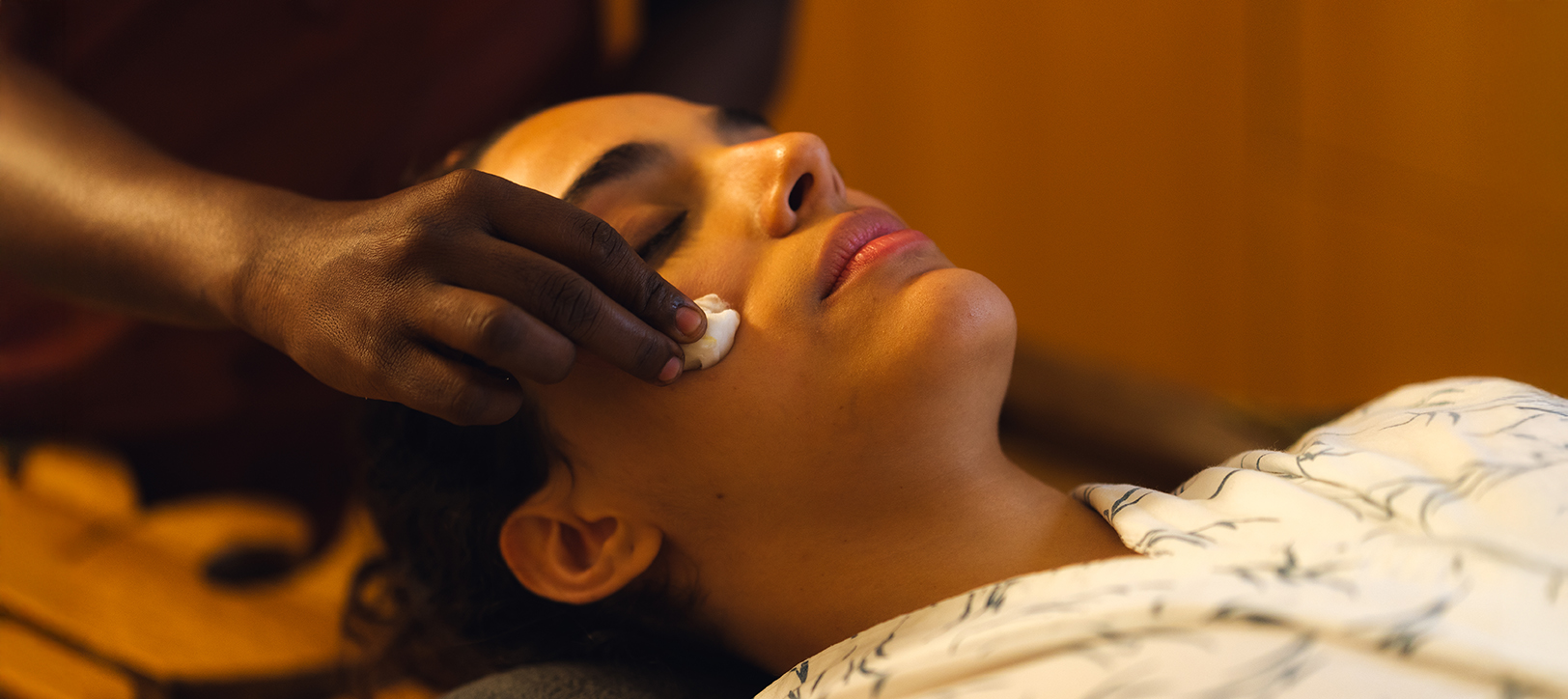
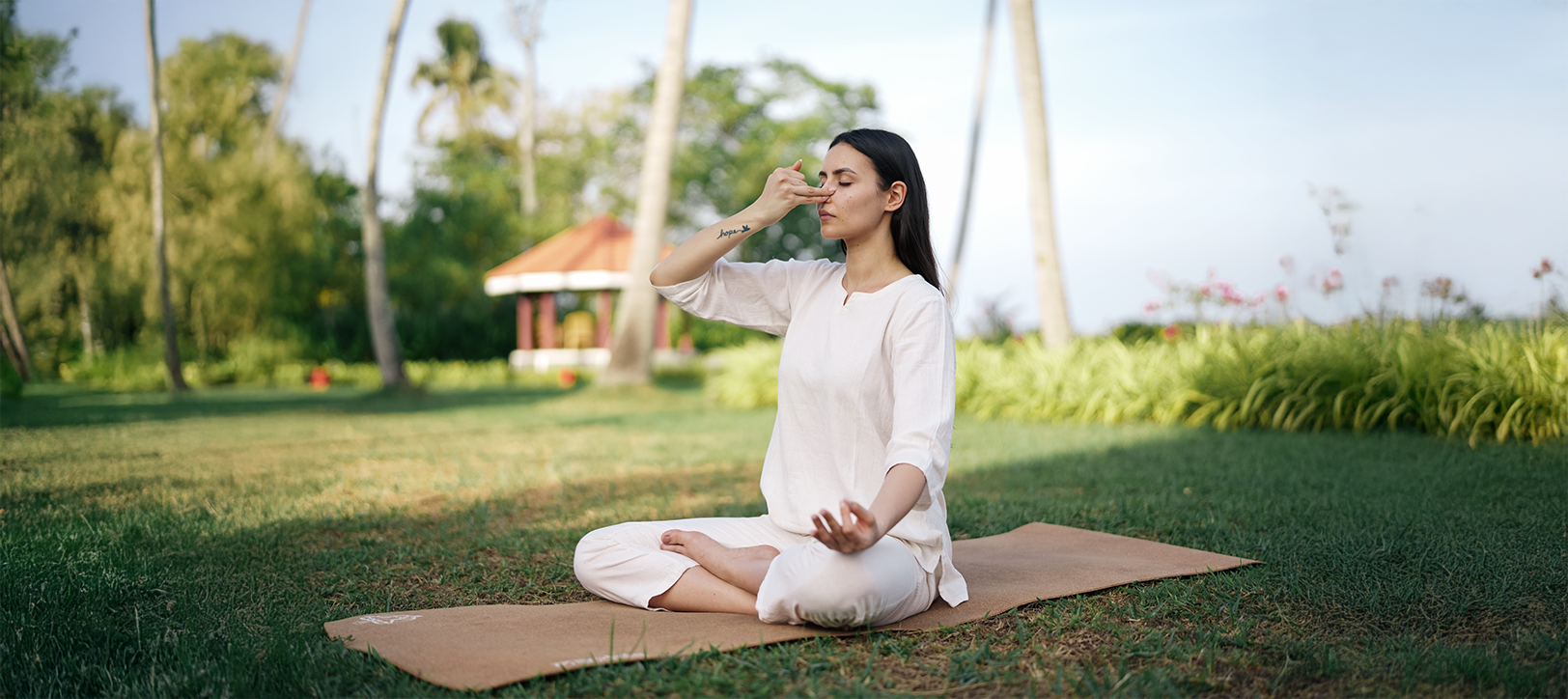
Along with dietary care, lifestyle modifications are essential. Managing stress through yoga, meditation, and adequate sleep is highly recommended, as emotional imbalance often triggers Psoriasis flare-ups. Regular oil massage with medicated oils, moderate exercise, and exposure to natural sunlight can also enhance skin health.

Ayurvedic Home Remedies for Scalp Psoriasis

Among the various types of Psoriasis, Scalp Psoriasis can be particularly distressing due to itching, flaking, and visible scaling. Ayurveda offers targeted treatments for this condition through a combination of detoxification and topical applications.
Both Shodhana and Shamana are effective for scalp Psoriasis Ayurvedic treatment. Herbal pastes and oil infusions are applied to the scalp to soothe inflammation and control scaling.
Some effective remedies include:
Herbal Oils: Neem oil, karanja oil, and coconut oil are renowned for their anti-inflammatory and antifungal properties. They calm the scalp, reduce itching, and promote healing.
Herbal Rinses: Rinsing the scalp with methi (fenugreek) decoction, triphala decoction, or neem decoction helps remove flakes and refresh the scalp.
Panchakarma Treatments: In cases of severe scaling, cleansing treatments such as Virechana and Raktamokshana may be prescribed to purify blood and restore balance.
This holistic and personalised approach ensures that symptoms are not only controlled externally but also managed internally to prevent recurrences.

Ayurvedic Home Remedies for Psoriasis and Skin Diseases

Simple, effective home remedies for Psoriasis and Ayurvedic treatments for skin diseases focus on cleansing, soothing, and nourishing the skin naturally. These remedies complement professional Psoriasis treatment and support daily skin health.
Herbal Oils: Apply neem oil, karanja oil, or coconut oil to reduce itching, dryness, and scaling. Regular oil massage helps calm inflammation.
Turmeric and Neem: Use turmeric and neem for their anti-inflammatory and detoxifying properties. Drinking neem-infused water or applying turmeric paste on affected areas can ease irritation.
Warm Herbal Baths: Add triphala or neem leaves to warm bathwater to purify the skin and relieve itching, ideal for mild Ayurvedic skin problems.
Diet and Lifestyle: Avoid spicy, oily, and fermented foods and manage stress with yoga and meditation to prevent skin flare-ups.
These Ayurvedic remedies for skin diseases help maintain balance and complement treatments at Amal Tamara, where traditional care meets personalised healing for lasting results.

Ayurvedic Psoriasis Treatment in Kerala

Kerala, the birthplace of Ayurveda, is known for its rich natural resources, medicinal herbs, and age-old traditions. The region’s climate, combined with the expertise of Ayurvedic physicians, makes it one of the best destinations for authentic Ayurvedic treatment for Psoriasis in Kerala.
At Amal Tamara, every guest undergoes a detailed consultation and Prakriti analysis before beginning treatment. The treatments are then customised to address both the symptoms and underlying causes of Psoriasis. Set amidst serene backwaters and natural surroundings, the healing environment complements the treatments, encouraging deep rest, detoxification, and rejuvenation.

Ayurvedic Healing and Long-Term Remission

Ayurveda teaches that healing is not about suppressing symptoms but restoring balance and harmony within. Psoriasis treatment in Ayurveda follows this philosophy by cleansing the body, nourishing the skin, and strengthening the mind.
Whether through purifying Panchakarma treatments, herbal formulations, or conscious living, Ayurveda offers hope for those seeking long-term relief from Psoriasis. When practised under expert guidance, it can transform not only the skin but the overall quality of life.

FAQs

The duration varies depending on severity and chronicity. Most Ayurvedic treatments for Psoriasis in Kerala range from three to eight weeks, followed by home-based care and follow-ups.

Yes. Stress is a major trigger for Psoriasis flare-ups. Ayurveda recommends yoga, meditation, and oil massages to calm the mind and reduce stress-induced inflammation.

With proper post-treatment care, diet, and lifestyle discipline, flare-ups can be significantly reduced. Ayurveda helps maintain balance to prevent recurrence.

It’s advisable to follow one treatment system at a time. Consult both your dermatologist and Ayurvedic physician to ensure compatibility and safety.

Yes. Ayurvedic treatments use herbal formulations and natural detoxification methods under expert supervision, making them safe and free from harsh side effects.

Ayurvedic Treatment for Psoriasis in Kerala

Share:

Table of Contents

On Key

Related Posts

Vitiligo Causes, Symptoms, and Management

In recent years, vitiligo has become a condition many people are hearing about more often, whether through conversations, medical discussions, or personal experiences. Vitiligo causes