Polycystic Ovarian Disorder (PCOD) is increasingly recognised as a significant health concern among women in India. Research suggests that up to one in five Indian women of reproductive age may be affected by conditions in the PCOS/PCOD (Polycystic Ovary Syndrome, while PCOD refers to Polycystic Ovarian Disorder) spectrum, making it much more common here than in many other parts of the world.
In simple terms, PCOS is a hormonal and metabolic disorder that affects the entire body, whereas PCOD is a condition where the ovaries release immature or partially mature eggs, often linked to lifestyle factors and usually less severe than PCOS.
PCOD often unfolds slowly, showing up first as subtle shifts in the body’s rhythm — irregular menstrual cycles, unexplained weight changes, persistent acne, or periods of low energy. At its core, PCOD involves a hormonal imbalance, with elevated levels of androgens (hormones such as testosterone normally present in small amounts in women) disrupting ovulation and metabolic function. Over time, these fluctuations can influence not just reproductive health but also metabolism, mood, skin, and overall wellbeing.
At Amal Tamara, PCOD is addressed through a structured Ayurvedic approach that focuses on hormonal balance, metabolic health, and individual constitution. Treatment plans are shaped through detailed clinical assessment, allowing care to move beyond temporary relief and support sustained hormonal wellbeing over time.
In simple terms, PCOS is a hormonal and metabolic disorder that affects the entire body, whereas PCOD is a condition where the ovaries release immature or partially mature eggs, often linked to lifestyle factors and usually less severe than PCOS.
PCOD often unfolds slowly, showing up first as subtle shifts in the body’s rhythm — irregular menstrual cycles, unexplained weight changes, persistent acne, or periods of low energy. At its core, PCOD involves a hormonal imbalance, with elevated levels of androgens (hormones such as testosterone normally present in small amounts in women) disrupting ovulation and metabolic function. Over time, these fluctuations can influence not just reproductive health but also metabolism, mood, skin, and overall wellbeing.
At Amal Tamara, PCOD is addressed through a structured Ayurvedic approach that focuses on hormonal balance, metabolic health, and individual constitution. Treatment plans are shaped through detailed clinical assessment, allowing care to move beyond temporary relief and support sustained hormonal wellbeing over time.
What Is PCOD?
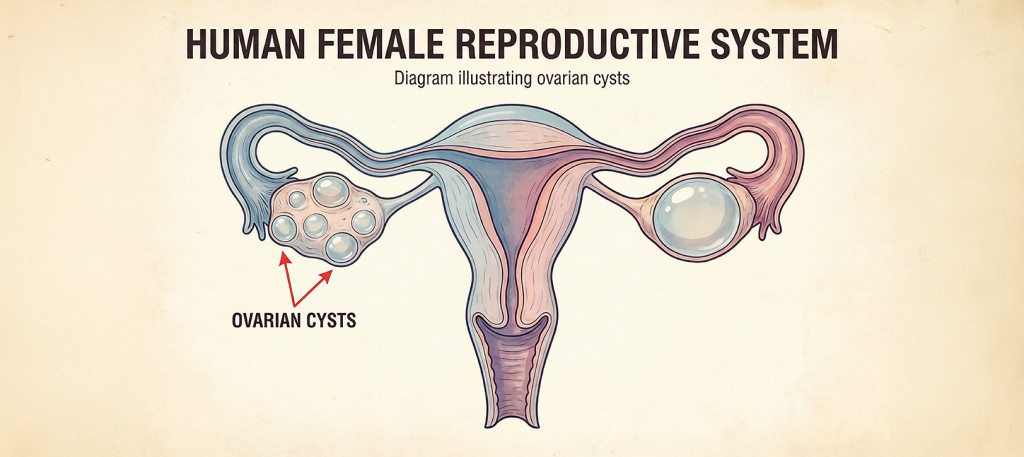
Polycystic Ovary Disorder (PCOD) is a hormonal condition in which the ovaries produce an excess of androgens (hormones such as testosterone that are typically present in small amounts in women), leading to irregular ovulation and the formation of multiple small follicles in the ovaries. This hormonal imbalance can interfere with normal menstrual cycles and affect metabolism, skin health, and reproductive function. PCOD symptoms may vary from person to person and can develop gradually over time.
From an Ayurvedic perspective, PCOD is associated with imbalance in digestion and metabolism, which influences hormonal regulation. Ayurvedic Treatments for PCOD like eve care programmes focus on understanding these underlying patterns and addressing the factors that contribute to hormonal disruption rather than managing symptoms alone.
Difference Between PCOD and PCOS
Although PCOD and PCOS are often used interchangeably, they are not the same condition. Both involve hormonal imbalance and ovarian changes, but they differ in severity, underlying mechanisms, and long-term impact.
- PCOD (Polycystic Ovary Disorder) is more common and is largely influenced by lifestyle and metabolic factors. In PCOD, the ovaries may release immature or partially mature eggs, leading to irregular ovulation. Hormonal imbalance is usually milder, and many women with PCOD continue to ovulate, though not consistently. With timely lifestyle correction and appropriate care, PCOD symptoms are often manageable, and fertility is usually preserved.
- PCOS (Polycystic Ovary Syndrome) is considered a more complex endocrine condition. It is characterised by higher levels of male hormones, insulin resistance, and significant disruption of ovulation. PCOS tends to have a stronger genetic and hormonal component and may have a greater impact on menstrual regularity, metabolic health, and fertility. It often requires closer medical monitoring and long-term management.
Common PCOD Symptoms
PCOD symptoms can vary in intensity and combination, depending on hormonal balance, metabolism, and lifestyle factors. Some of the commonly experienced symptoms include:
- Irregular menstrual cycles: Delayed, missed, or unpredictable periods are among the most noticeable PCOD symptoms, often linked to disrupted ovulation and hormonal imbalance addressed through Ayurvedic Treatment for PCOD.
- Weight gain or difficulty losing weight: Many women experience unexplained weight gain or resistance to weight loss, particularly around the abdomen, due to metabolic imbalance.
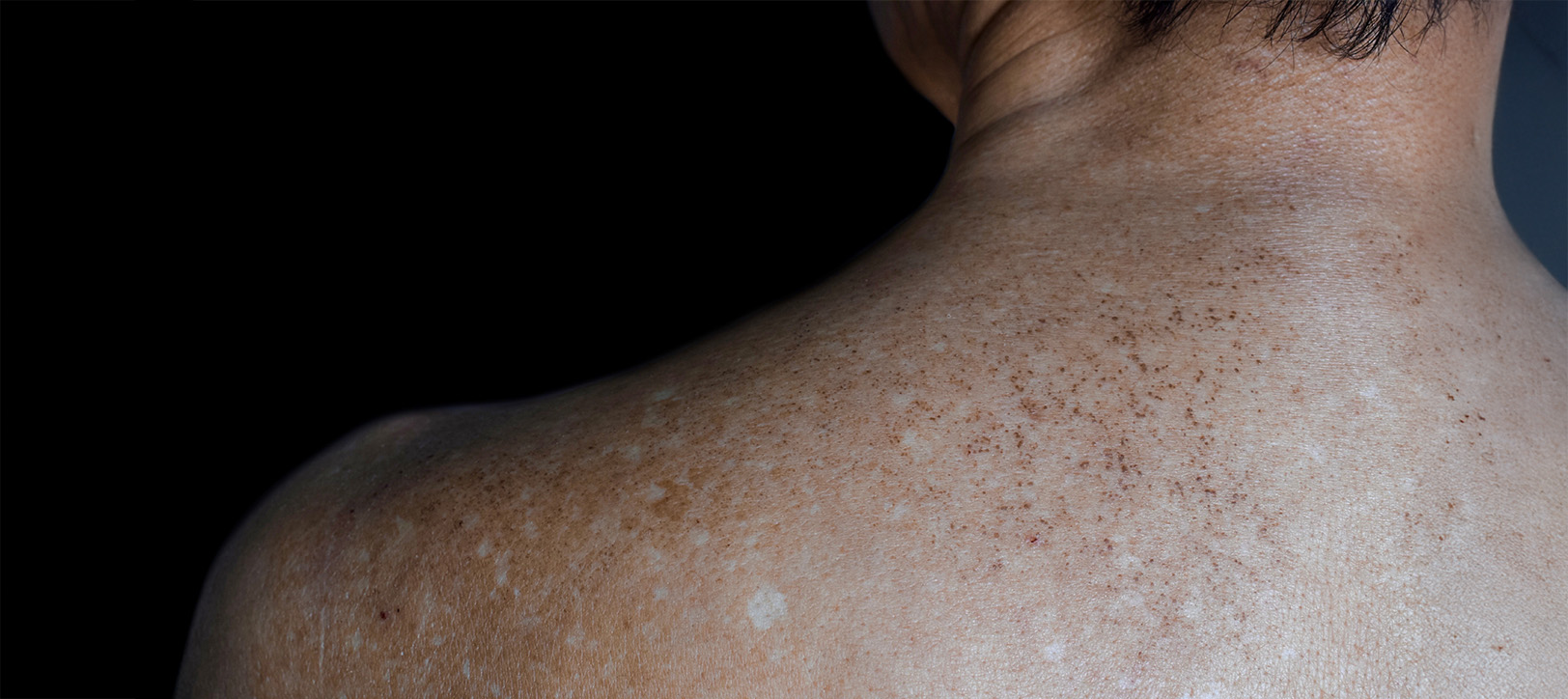
- Acne and skin changes: Persistent acne, oily skin, or pigmentation changes may occur due to elevated androgen levels.
- Hair-related concerns: Hair thinning, increased hair fall, or unwanted hair growth may be seen in some cases. Ayurvedic Treatments for PCOD Hair Thinning focus on improving hormonal balance, digestion, and tissue nourishment.
- Fatigue, mood changes, and metabolic signs: Low energy levels, mood fluctuations, sugar cravings, or signs of insulin resistance may indicate deeper imbalance.
What Causes PCOD?
PCOD develops due to a combination of hormonal, metabolic, and lifestyle-related factors. Rather than having a single cause, it often reflects ongoing imbalance within the body.
- Hormonal imbalance: Disruption in the balance of reproductive hormones, including elevated androgens, can interfere with regular ovulation and contribute to common PCOD symptoms.
- Insulin resistance and metabolic disruption: Reduced sensitivity to insulin can affect hormone regulation and weight management, making metabolic balance a key focus in PCOD Treatment in Ayurveda.
- Lifestyle factors: Irregular eating habits, high stress levels, lack of physical activity, and poor sleep patterns can gradually influence hormonal health, an area addressed through Ayurveda for PCOD.
- Genetic predisposition: A family history of PCOD or related hormonal conditions may increase susceptibility, though lifestyle and care choices play an important role in expression.
- Digestive and metabolic health (Agni): In Ayurveda, weakened digestion and impaired metabolism are seen as central to hormonal imbalance, which is why strengthening Agni forms the foundation of Ayurvedic Treatment for PCOD.
Ayurvedic Treatment of PCOD
PCOD Treatment in Ayurveda offers a multi-layered approach that goes beyond symptom management and focuses on restoring hormonal rhythm, improving metabolism, and supporting overall reproductive health. In Ayurveda, PCOD is understood as an imbalance involving all three doshas, especially Kapha and Pitta, which affects digestion, hormonal signalling, and ovarian function.
Key Ayurvedic Treatments and Practices
- Panchakarma and Detox Treatments: Ayurvedic detoxification procedures such as Vamana (therapeutic emesis), Virechana (purgation), and Basti (medicated enemas) may be used to cleanse channels, remove accumulated doshas, and improve metabolic function. These treatments help clear internal blockages that affect hormonal balance.
- Herbal Medicines and Formulations: Specific herbs and classical formulations are often used under supervision to support hormonal regulation and reproductive health. One can even grow their own Ayurvedic garden at home to support daily dietary requirements. Commonly recommended options include:
- Shatavari: Supports ovarian health and regulates cycles.
- Ashwagandha: Helps reduce stress and balance hormones.
- Guduchi: Enhances detoxification and supports immune balance.
- Triphala: Promotes digestion and cleansing of toxins.
- Turmeric and Cinnamon: Support healthy insulin sensitivity and metabolic balance.
- Dietary Modifications: A balanced, warm, easily digestible diet that supports Agni (digestive fire) is central to Ayurveda for PCOD. This includes whole grains, fresh vegetables, and fibre-rich foods, while avoiding processed sugars and incompatible food combinations that can aggravate Kapha and metabolic imbalance.
- Lifestyle and Stress Management: Regular physical activity, adequate sleep, and stress-reducing practices such as yoga and pranayama are encouraged. These routines support insulin sensitivity, hormone balance, and mental well-being, reinforcing the effects of Ayurvedic treatments.
- Daily Supportive Practices: Hydration, herbal teas, seasonal routines, and mindful eating are all part of sustaining improvement. Activities like mild exercise, meditation, and sleep regulation play a key role in complementing Ayurvedic Treatment for PCOD.
When to Seek Professional Help?
Ongoing irregular cycles, increasing metabolic concerns, or difficulties related to fertility often indicate deeper imbalance that benefits from early intervention. Addressing PCOD at an earlier stage can help regulate hormones more effectively and prevent long-term complications. At Amal Tamara, PCOD care is guided by experienced Ayurvedic doctors who assess hormonal patterns, digestion, lifestyle, and overall health to create personalised treatment plans that support sustainable balance and long-term wellbeing.
FAQs
Yes. Some women have regular cycles but still experience acne, weight gain, or hormonal imbalance.
No. Menstrual irregularity is common but not universal. Symptoms vary based on hormonal and metabolic patterns.
There is a strong genetic link, though lifestyle factors influence how it manifests.
Yes. PCOD can develop in the late 20s or 30s due to lifestyle changes, stress, or weight fluctuations.
PCOD symptoms can often be reduced and regulated through consistent dietary, lifestyle, and therapeutic support, especially when addressed early.