How Ayurveda Treats Knee Pain
Knee pain is one of the most common health concerns worldwide, affecting people across all age groups. For some, it begins with a minor strain after exercise, while for others it gradually develops into chronic stiffness that limits mobility and makes everyday activities like walking, climbing stairs, or sitting cross-legged uncomfortable. Over time, untreated knee pain can deeply affect the quality of life.
Modern medicine often relies on quick fixes like painkillers, steroid injections, or temporary braces. These may provide short-term comfort but seldom address the root cause. Ayurveda, however, offers a holistic path. Rooted in centuries of knowledge, Ayurvedic treatment for knee pain focuses on balancing the doshas, reducing inflammation, improving lubrication of the joints, and strengthening the muscles and ligaments around the knee.
This approach combines herbal remedies, personalised treatments, and lifestyle corrections to achieve long-lasting results. Rather than masking symptoms, Ayurveda works to restore balance and prevent recurrence, giving individuals a chance to move freely again.
At Amal Tamara, an NABH-certified Ayurvedic hospital, knee pain is treated with a personalised approach that combines traditional therapies, expert physician guidance, and tailored lifestyle practices for long-term relief.
Modern medicine often relies on quick fixes like painkillers, steroid injections, or temporary braces. These may provide short-term comfort but seldom address the root cause. Ayurveda, however, offers a holistic path. Rooted in centuries of knowledge, Ayurvedic treatment for knee pain focuses on balancing the doshas, reducing inflammation, improving lubrication of the joints, and strengthening the muscles and ligaments around the knee.
This approach combines herbal remedies, personalised treatments, and lifestyle corrections to achieve long-lasting results. Rather than masking symptoms, Ayurveda works to restore balance and prevent recurrence, giving individuals a chance to move freely again.
At Amal Tamara, an NABH-certified Ayurvedic hospital, knee pain is treated with a personalised approach that combines traditional therapies, expert physician guidance, and tailored lifestyle practices for long-term relief.
What Are the Ayurvedic Home Remedies for Knee Pain?
Ayurveda recognises that simple remedies practised at home can provide meaningful relief, especially when pain is in its early stages. Some of the most effective remedies for knee pain include:
- Turmeric Milk – A cup of warm milk with turmeric acts as a natural anti-inflammatory and supports healing from within.
- Ginger Tea – Drinking ginger tea or applying ginger paste externally reduces stiffness and swelling.
- Castor Oil Massage – Gently massaging warm castor oil around the knee joint helps ease pain and improve mobility.
- Epsom Salt Soak – A soak in warm water with Epsom salt relaxes muscles and reduces swelling.
- Heat Therapy – Warm compresses improve circulation and reduce stiffness.
- Cold Compress – Cold packs help reduce inflammation after activity or injury.
- Yoga and Gentle Exercise – Simple asanas like Vajrasana (Thunderbolt Pose) and Sukhasana (Easy Pose) promote flexibility and circulation.
- Include anti-inflammatory foods like turmeric, ginger, garlic, and omega-3 rich seeds.
- Drink plenty of water to keep joints lubricated.
- Avoid processed, cold, and heavy foods that may aggravate inflammation.
What Are the Causes of Knee Pain?
Knee pain has multiple underlying causes, and Ayurveda seeks to identify them before recommending treatment.
Knee Injuries
Knee Injuries
- Ligament Sprains or Tears – Common in athletes or those involved in high-impact activities.
- Meniscus Tears – Caused by sudden twisting or accidents.
- Tendonitis – Inflammation due to repetitive strain or overuse.
- Fractures – Breaks around the knee joint from falls or trauma.
- Osteoarthritis – The most common cause for knee pain, marked by wear and tear of cartilage.
- Rheumatoid Arthritis – An autoimmune condition that causes chronic joint inflammation.
- Runner’s Knee – Pain at the front of the knee due to poor kneecap tracking.
- Tendinitis – Repeated movements cause inflammation and tenderness.
- Poor Posture or Biomechanics – Misalignment of the joint.
- Muscle Imbalances – Weak or overly tight muscles around the knee.
- Infections – Bacterial or viral infections leading to swelling and pain.
- Autoimmune Disorders – Conditions such as lupus or psoriatic arthritis.
- Obesity – Excess body weight puts added stress on the knees.
- Past Injuries – Old trauma or surgeries increase risk.
- Repetitive Activities – Running, squatting, or jumping.
What Are the Symptoms of Knee Pain
The symptoms of knee pain vary depending on the cause but often include:
- Persistent pain or aching
- Swelling and warmth around the joint
- Stiffness, especially in the morning
- Instability or the sensation of the knee “giving way”
- Locking or catching of the joint
- Crunching or grinding sounds when moving
- Reduced flexibility and range of motion

What are the ayurvedic treatments for knee pain?
Ayurveda provides an integrative approach, using herbs, oils, treatments, and lifestyle corrections.
Knee Pain Herbal Remedies
Knee Pain Herbal Remedies
- Turmeric – Reduces inflammation with its active compound curcumin.
- Guggulu – Powerful for treating arthritis and reducing stiffness.
- Boswellia Serrata – Supports cartilage and reduces degeneration.
- Ashwagandha – Enhances muscle strength and reduces stress on joints.
- Abhyanga (Oil Massage) – Improves circulation and lubricates joints.
- Swedana (Herbal Steam Therapy) – Relieves stiffness and detoxifies tissues.
- Basti (Medicated Enema) – Strengthens bones and nourishes joints.
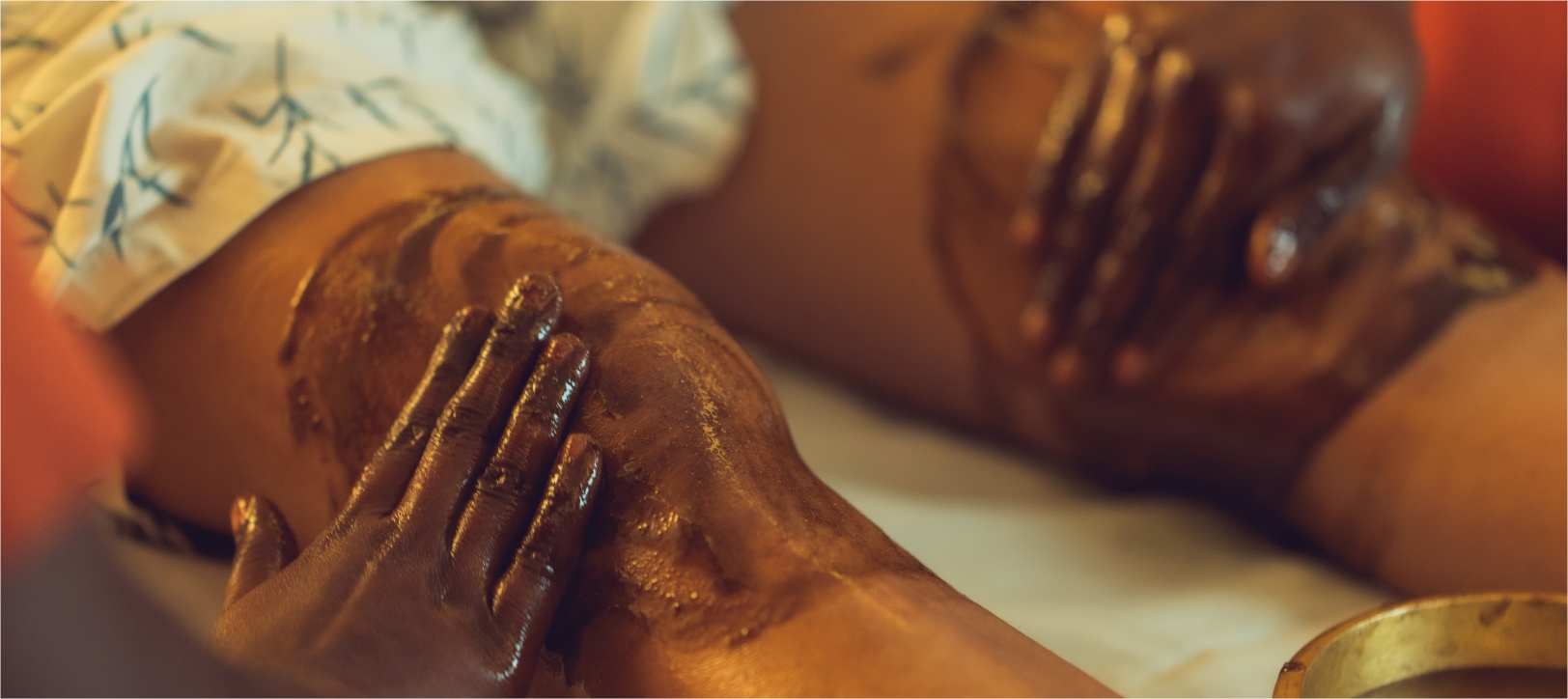
- Janu Vasthi – A unique therapy where warm medicated oil is retained over the knee joint for 30–40 minutes, deeply penetrating to reduce pain and improve flexibility.
Ayurvedic Knee Pain Oils
Oils such as Mahanarayana Thailam, Dhanwantharam Thailam, and Kottamchukkadi Thailam are widely used for massaging the knees. They ease pain, reduce inflammation, and strengthen tissues when applied regularly.
Our physicians carefully select Ayurvedic knee pain oils like Mahanarayana Thailam or Dhanwantharam Thailam based on each patient’s condition and dosha imbalance, ensuring treatments are both safe and effective.
Ayurvedic Medicines
Formulations like Yogaraj Guggulu, Maharasnadi Kashayam, and Amavatari Rasa are often prescribed under Ayurvedic guidance for arthritis and chronic pain. Together, these treatments provide a personalised, long-term Ayurvedic knee pain remedy.
Oils such as Mahanarayana Thailam, Dhanwantharam Thailam, and Kottamchukkadi Thailam are widely used for massaging the knees. They ease pain, reduce inflammation, and strengthen tissues when applied regularly.
Our physicians carefully select Ayurvedic knee pain oils like Mahanarayana Thailam or Dhanwantharam Thailam based on each patient’s condition and dosha imbalance, ensuring treatments are both safe and effective.
Ayurvedic Medicines
Formulations like Yogaraj Guggulu, Maharasnadi Kashayam, and Amavatari Rasa are often prescribed under Ayurvedic guidance for arthritis and chronic pain. Together, these treatments provide a personalised, long-term Ayurvedic knee pain remedy.
Lifestyle and Dietary Support in Ayurveda
Lifestyle plays a major role in both preventing and managing knee pain. Ayurveda recommends:
At Amal Tamara, treatment doesn’t end with therapy. Patients are guided with personalised diet plans, yoga routines, and daily rituals to strengthen joints and maintain mobility even after they leave the hospital.
- Daily Movement – Gentle yoga, walking, or stretching to keep joints active.
- Rest and Balance – Avoid overuse of knees through excessive squatting or running.
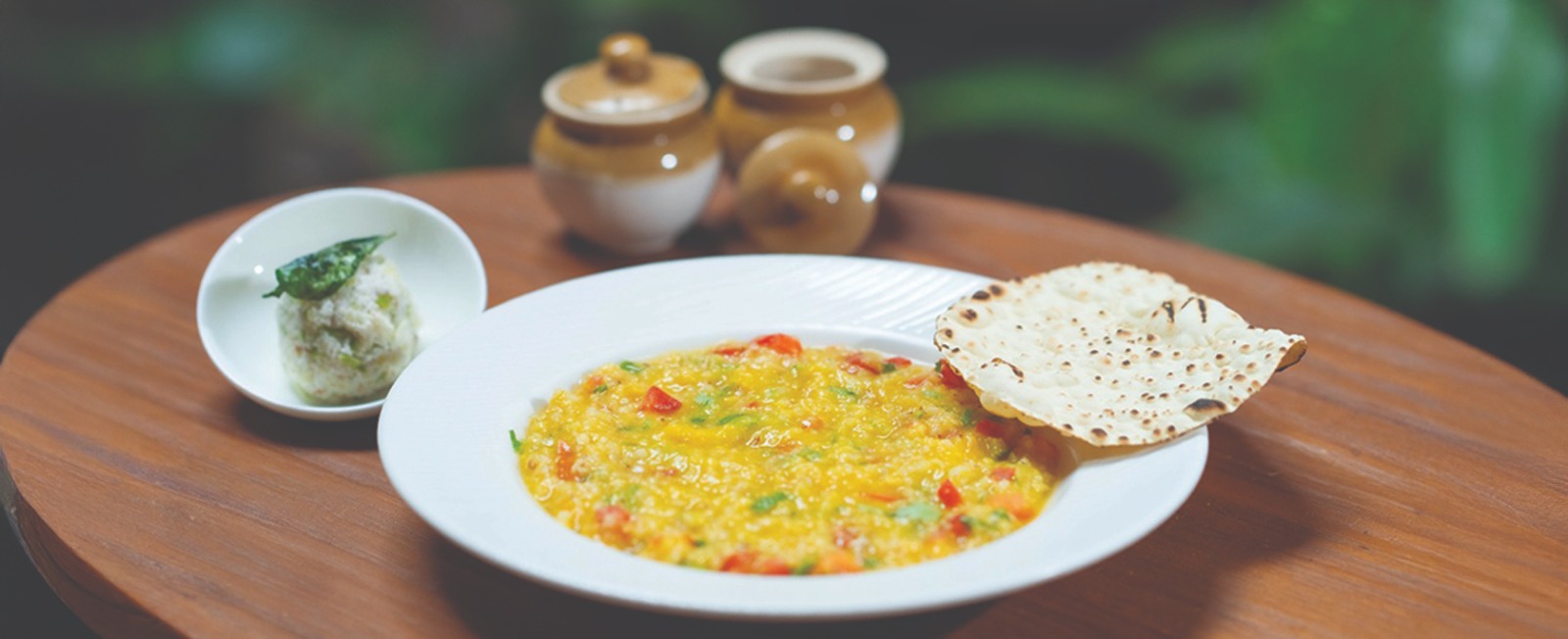
- Dietary Support – Warm, nourishing foods like moong dal, ghee, soups, and fresh vegetables.
- Avoid Cold and Heavy Foods – Such foods aggravate Vata and worsen stiffness.
- Mind-Body Balance – Stress increases inflammation; practices like meditation and pranayama are encouraged.
At Amal Tamara, treatment doesn’t end with therapy. Patients are guided with personalised diet plans, yoga routines, and daily rituals to strengthen joints and maintain mobility even after they leave the hospital.
When Should You Seek Ayurvedic Treatment for Knee Pain?
Many dismiss knee pain as “normal” after exercise or ageing. However, Ayurveda advises seeking treatment if:
If knee pain is interfering with your quality of life, a consultation at Amal Tamara can help identify the root cause and provide a sustainable Ayurvedic knee pain remedy that goes beyond temporary relief.
- Pain lasts longer than two weeks.
- You notice swelling, redness, or warmth.
- Pain restricts daily movements like walking or sitting.
- There is a history of injuries or arthritis.
If knee pain is interfering with your quality of life, a consultation at Amal Tamara can help identify the root cause and provide a sustainable Ayurvedic knee pain remedy that goes beyond temporary relief.
Healing Knee Pain the Ayurvedic Way
Knee pain may be common, but it doesn’t have to control your life. With its natural, holistic approach, Ayurveda offers a sustainable way to reduce discomfort, improve mobility, and restore quality of life. From simple home remedies for knee pain to structured treatments like Janu Vasthi and herbal support with Ayurvedic oils, this healing science provides care that goes beyond quick fixes.
Choosing an Ayurvedic knee pain remedy means choosing balance, relief from pain today and protection for your joints in the future. With consistent care, Ayurveda not only treats the symptoms of knee pain but also nurtures the strength and resilience of your body.
At Amal Tamara, Ayurveda is practised as a way of life, not just treatment. Every programme for knee pain is personalised, evidence-based, and rooted in centuries of tradition, allowing patients to regain strength, flexibility, and confidence in movement.
Choosing an Ayurvedic knee pain remedy means choosing balance, relief from pain today and protection for your joints in the future. With consistent care, Ayurveda not only treats the symptoms of knee pain but also nurtures the strength and resilience of your body.
At Amal Tamara, Ayurveda is practised as a way of life, not just treatment. Every programme for knee pain is personalised, evidence-based, and rooted in centuries of tradition, allowing patients to regain strength, flexibility, and confidence in movement.
FAQs
Treatments like Janu Vasthi, Abhyanga, and Swedana are highly effective, as they directly target stiffness and nourish the joints for long-lasting relief.
Popular Ayurvedic knee pain oils include Mahanarayana Thailam, Kottamchukkadi Thailam, and Dhanwantharam Thailam, all known for reducing inflammation and improving mobility.
Yes, simple remedies like turmeric milk, ginger tea, castor oil massage, and Epsom salt soaks are proven natural remedies for knee pain that reduce discomfort and improve flexibility.
Swelling, stiffness, reduced flexibility, grinding sounds, and instability are the key symptoms of knee pain. If these persist, Ayurvedic care is recommended.
If pain lasts more than a few weeks, interferes with daily activities, or is accompanied by swelling or stiffness, you should consult for an Ayurvedic knee pain remedy immediately.