A Gentle Start to Healing Fatty Liver
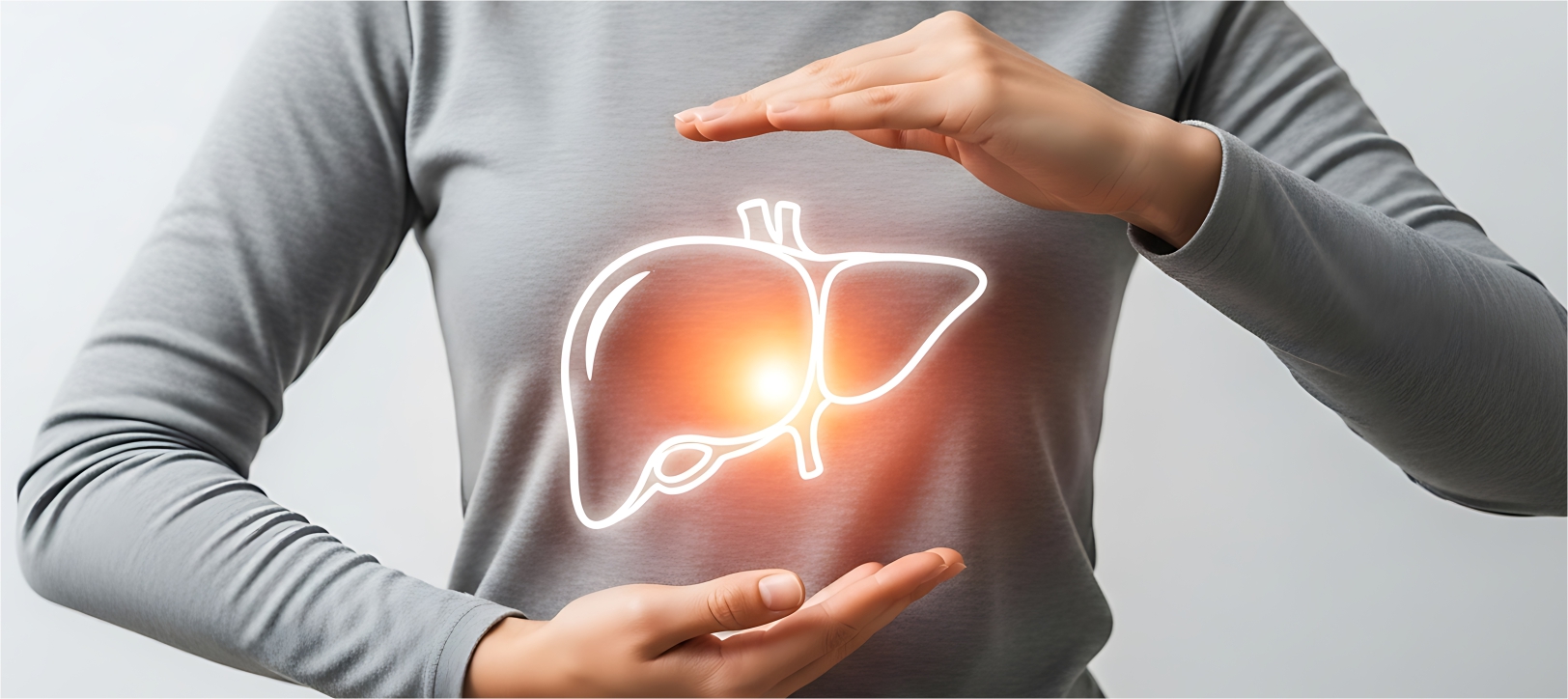
The liver is a silent guardian of health, helping the body stay energised, balanced, and resilient when cared for mindfully. Over time, however, factors like poor diet, stress, or inactivity can lead to fat accumulation in the liver, resulting in a condition known as fatty liver that quietly disrupts this balance. While the condition may seem difficult to reverse, mindful lifestyle changes can offer a way to restore health from the inside out. There is growing evidence that Ayurvedic medicine for fatty liver helps by addressing the root causes, supporting detoxification, improving digestion, and rebuilding vitality through a holistic approach.
In Ayurveda, the liver (yakrit) is considered the seat of pitta dosha and central to metabolism and energy. When this balance is disturbed by irregular eating, alcohol, stress, or excessive indulgence, toxins (ama) accumulate, the digestive fire (agni) weakens, and fat begins to build up in the liver. Rather than practicing fatty liver treatment in isolation, Ayurveda addresses these root causes, using herbs, therapies, diet, and lifestyle practices that strengthen the liver and help the body regain harmony.
Fatty liver does not appear in the same way for everyone. Ayurveda recognises that imbalances can arise from different causes, and modern understanding also identifies distinct types of fatty liver disease. Knowing these types can help in choosing the most effective healing approach.
In Ayurveda, the liver (yakrit) is considered the seat of pitta dosha and central to metabolism and energy. When this balance is disturbed by irregular eating, alcohol, stress, or excessive indulgence, toxins (ama) accumulate, the digestive fire (agni) weakens, and fat begins to build up in the liver. Rather than practicing fatty liver treatment in isolation, Ayurveda addresses these root causes, using herbs, therapies, diet, and lifestyle practices that strengthen the liver and help the body regain harmony.
Fatty liver does not appear in the same way for everyone. Ayurveda recognises that imbalances can arise from different causes, and modern understanding also identifies distinct types of fatty liver disease. Knowing these types can help in choosing the most effective healing approach.
What is Fatty Liver Disease?
Fatty liver disease is a condition where fat makes up more than 5 to 10 percent of the liver’s weight, which is the medical threshold used to confirm its presence. The liver usually filters toxins and processes nutrients, but when too much fat accumulates, it struggles to perform these essential tasks. This build-up can develop quietly without obvious symptoms and is often linked to alcohol use, excess body weight, diabetes, or long-term use of certain medicines.
Did you know
The liver is the only organ in the body that can regenerate itself? Despite this remarkable ability, continued fat accumulation can overwhelm its capacity to heal, making early lifestyle changes essential. Start with yoga, exercise, meditation, and change poor lifestyle habits.
The liver is the only organ in the body that can regenerate itself? Despite this remarkable ability, continued fat accumulation can overwhelm its capacity to heal, making early lifestyle changes essential. Start with yoga, exercise, meditation, and change poor lifestyle habits.
What are the Types of Fatty Liver Disease?
Alcoholic Fatty Liver Disease (AFLD)
This type develops due to excessive alcohol consumption, which damages liver cells and restricts the liver’s ability to break down fat. Over time, AFLD may progress into more severe conditions such as alcoholic hepatitis or cirrhosis if left unaddressed.
Non-Alcoholic Fatty Liver Disease (NAFLD)
Also referred to as Metabolic Dysfunction-Associated Steatotic Liver Disease (MASLD), this is seen in people who consume little or no alcohol. It is closely linked with metabolic issues such as obesity, insulin resistance, and type 2 diabetes. NAFLD has different levels of severity:
This type develops due to excessive alcohol consumption, which damages liver cells and restricts the liver’s ability to break down fat. Over time, AFLD may progress into more severe conditions such as alcoholic hepatitis or cirrhosis if left unaddressed.
Non-Alcoholic Fatty Liver Disease (NAFLD)
Also referred to as Metabolic Dysfunction-Associated Steatotic Liver Disease (MASLD), this is seen in people who consume little or no alcohol. It is closely linked with metabolic issues such as obesity, insulin resistance, and type 2 diabetes. NAFLD has different levels of severity:
- Simple Fatty Liver: Fat builds up in the liver but without inflammation or significant damage.
- Metabolic Dysfunction-Associated Steatohepatitis (MASH): A more advanced form where inflammation and liver cell damage are present, increasing the risk of cirrhosis or even liver cancer.
- MetALD: A condition where both alcohol consumption and metabolic risk factors contribute to fat accumulation in the liver.
What are the Grades of Fatty Liver Disease?
Fatty liver can also be assessed in terms of severity, described in three grades:
- Grade 1: Mild fatty liver with very little damage.
- Grade 2: Moderate fatty liver with inflammation and cellular injury.
- Grade 3: Severe fatty liver with significant scarring and advanced damage.
What is Lean Fatty Liver Disease?
“Although NAFLD is observed predominantly in persons with obesity and/or type 2 diabetes mellitus, an estimated 7%–20% of individuals with NAFLD have lean body habitus.”
~ American Gastroenterological Association
A growing number of cases are being found in individuals with a normal body weight, a condition often called “lean fatty liver”. This form of fatty liver disease is linked more to genetics, poor dietary habits, or metabolic imbalances than to excess weight. It shows that the condition is not only about body size but about how the liver processes fat and maintains balance in the body.
What are the Main Causes of Fatty Liver Disease?
Fatty liver usually develops over time due to a combination of lifestyle habits, dietary patterns, and metabolic conditions. This is why Ayurvedic remedies for fatty liver emphasise removing the root triggers through changes in diet, lifestyle, and natural therapies.
- Excessive Alcohol Consumption: Damages liver cells and reduces the liver’s ability to process fat.
- Poor Diet: High intake of refined sugars, saturated fats, and processed foods encourages fat build-up.
- Obesity: Extra body weight, especially around the abdomen, increases strain on the liver.
- Insulin Resistance and Diabetes: These interfere with fat and glucose metabolism, leading to fat deposits in the liver.
- Poor Lifestyle: Lack of regular exercise slows metabolism and contributes to fat storage.
- Medications: Prolonged use of some drugs can place stress on the liver and trigger fatty changes.
What are the Early Signs of Fatty Liver Disease?
Many people do not notice fatty liver symptoms in the early stages, as the condition often develops silently:
- Fatigue or weakness
- Heaviness in the upper abdomen
- Unexplained weight gain
- Digestive discomfort (bloating, nausea, poor appetite)
- Low energy or general unease
- In advanced cases: jaundice or abdominal swelling
Ayurvedic Solutions for Fatty Liver Disease
Ayurvedic treatments for fatty liver are designed and supervised by experienced physicians, combining traditional wisdom with evidence-based care to support deep, sustainable healing.
Ayurveda approaches fatty liver by focusing on detoxification, strengthening digestion, and restoring balance in the body. Rather than addressing only the visible signs, treatment aims at the root causes that give rise to fatty liver disease symptoms such as fatigue, digestive discomfort, or heaviness in the abdomen. Through a combination of herbal formulations, therapies, diet, and lifestyle changes, Ayurveda provides holistic care that supports lasting recovery.
Key Ayurvedic Herbs for Fatty Liver Disease
Ayurveda approaches fatty liver by focusing on detoxification, strengthening digestion, and restoring balance in the body. Rather than addressing only the visible signs, treatment aims at the root causes that give rise to fatty liver disease symptoms such as fatigue, digestive discomfort, or heaviness in the abdomen. Through a combination of herbal formulations, therapies, diet, and lifestyle changes, Ayurveda provides holistic care that supports lasting recovery.
Key Ayurvedic Herbs for Fatty Liver Disease
- Bhumi Amla (Phyllanthus niruri): Cleanses and detoxifies the liver.
- Katuki (Picrorhiza kurroa): Stimulates liver function and supports bile secretion.
- Turmeric (Curcuma longa): Reduces inflammation and protects liver cells.
- Amla (Emblica officinalis): Rich in vitamin C and antioxidants that aid regeneration.
- Guduchi (Tinospora cordifolia): Boosts immunity and reduces oxidative stress.
- Triphala: Supports digestion and prevents fat accumulation.
- Other herbs: Daruharidra, Kakamachi, Apamarga, Bhoonimba, Dugdhapheni, Kasani, Parijatha.
Panchakarma Treatment for Fatty Liver Disease
Panchakarma is an important part of Ayurvedic care for fatty liver, designed to cleanse the body and restore balance.
Panchakarma is an important part of Ayurvedic care for fatty liver, designed to cleanse the body and restore balance.
- Virechana (purgation) helps eliminate toxins and balance aggravated pitta and kapha, directly supporting fatty liver treatment.
- Basti (medicated enema) works by cleansing the colon and improving metabolism, which in turn reduces fat accumulation.
- Abhyanga and Swedana involve oil massage and steam therapy to improve circulation, aid toxin removal, and promote overall well-being.
Best Home Remedies for Fatty Liver Disease
Dietary Changes for Fatty Liver disease
Lasting recovery from fatty liver is not just about what medicines you take, but also how you live each day. When conscious lifestyle choices are paired with Ayurvedic medicine for fatty liver as a holistic approach, the result is a powerful combination that not only eases symptoms but also works at the root cause. At Amal Tamara, we offer a balanced way forward; one that supports the body, restores energy, and protects long-term well-being.
- Increase Fiber Intake: Eat foods rich in fiber like oats, barley, lentils, peas, and soy to help regulate blood sugar and cholesterol levels.
- Antioxidant-Rich Foods:Include berries, leafy greens, nuts, and seeds in your diet to protect your body from oxidative stress.
- Whole Foods: Opt for whole grains, fruits, and vegetables instead of processed and packaged foods.
- Avoid Sugar: Limit your sugar intake and avoid foods with high glycaemic index.
- Aloe Vera: Drink aloe vera juice or take aloe vera gel to support liver health and detoxification.
- Turmeric: Consume turmeric powder or curcumin supplements to reduce liver inflammation and improve liver function.
- Milk Thistle: Take milk thistle extract or supplements to protect liver cells and support regeneration.
- Licorice Root: Consume licorice root supplements to reduce oxidative stress and protect against fatty liver damage.
- Mix apple cider vinegar with water and drink it daily to support liver health and detoxification.
- Drink lemon juice with water to stimulate liver function and promote detoxification.
- Consume green tea regularly to support liver health and reduce fat accumulation.
- Include foods rich in omega-3 fatty acids like fish, flaxseeds, and walnuts in your diet to reduce inflammation and liver fat.
Lasting recovery from fatty liver is not just about what medicines you take, but also how you live each day. When conscious lifestyle choices are paired with Ayurvedic medicine for fatty liver as a holistic approach, the result is a powerful combination that not only eases symptoms but also works at the root cause. At Amal Tamara, we offer a balanced way forward; one that supports the body, restores energy, and protects long-term well-being.
FAQs
When taken under professional guidance, Ayurvedic medicine for fatty liver is generally safe and works gradually to restore balance.
The main symptoms are similar, though women may also notice weight gain around the abdomen and hormonal changes.
Improvements vary depending on severity and lifestyle, but gradual progress is usually seen over consistent practice and care.
Yes, chronic stress can affect digestion and metabolism, which may worsen fatty liver. Ayurveda addresses this through yoga, meditation, and calming therapies.
Not always. Panchakarma therapies like Virechana or Basti may be advised for deeper detox, but treatment can also rely on herbs, diet, and lifestyle if the condition is mild.