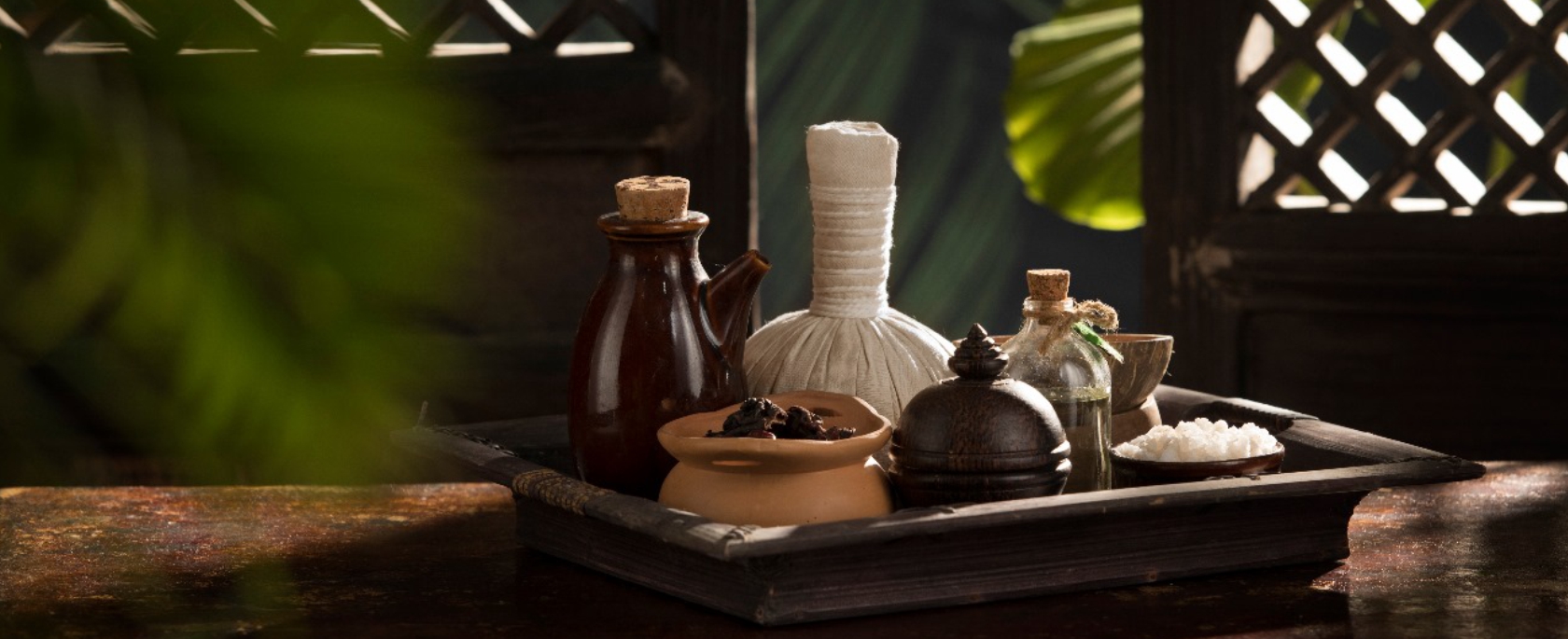
Ayurveda approaches skincare with an understanding of the interconnectedness between the body, mind, and environment. This holistic system posits that the state of your skin reflects the harmony of your internal elements, known as doshas. These doshas — vata, pitta, and kapha — are essential forces that govern many biological activities; when they are out of balance, they can cause a variety of skin problems.
A personalised skincare regimen lies at the heart of Ayurvedic principles, with routines tailored to your unique dosha type and adjusted for seasonal changes. This method addresses the root causes of skin concerns, rather than merely treating superficial symptoms. Here’s a quick guide to help you determine your dosha:
-Vata: Characterised by dryness, roughness, and coolness. If your skin tends to be dry, flaky, or has a rough texture, you may have a predominance of vata.
-Pitta: Known for sensitivity, redness, and inflammation. If your skin is prone to acne, redness, or feels warm and irritated, pitta could be your dominant dosha.
-Kapha: Marked by oiliness, congestion, and sluggishness. If your skin is oily, prone to clogged pores, or feels heavy, you may have a kapha imbalance.
An Ayurvedic Daily Routine for Glowing Skin
1.Early Morning Cleansing: Start your day with a gentle, herbal face wash that suits your dosha type.
4.Moisturising: Use a lightweight, dosha-specific moisturiser to keep your skin hydrated and balanced throughout the day.
6.Herbal Remedies: Consider incorporating Ayurvedic herbal remedies to support your skin health from within.
-Vata: Characterised by dryness, roughness, and coolness. If your skin tends to be dry, flaky, or has a rough texture, you may have a predominance of vata.
-Pitta: Known for sensitivity, redness, and inflammation. If your skin is prone to acne, redness, or feels warm and irritated, pitta could be your dominant dosha.
-Kapha: Marked by oiliness, congestion, and sluggishness. If your skin is oily, prone to clogged pores, or feels heavy, you may have a kapha imbalance.
An Ayurvedic Daily Routine for Glowing Skin
1.Early Morning Cleansing: Start your day with a gentle, herbal face wash that suits your dosha type.
- For vata: Use a nourishing oil-based cleanser, such as one with sesame oil, to counteract dryness.
- For pitta: Choose a cooling, soothing cleanser with ingredients like rose water or chamomile to calm inflamed skin.
- For kapha: Opt for a purifying, foaming cleanser with neem or turmeric to address excess oil and impurities.
- For vata: Use sesame oil to moisturise and soothe.
- For pitta: Opt for cooling coconut oil to reduce inflammation.
- For kapha: Choose invigorating mustard oil to stimulate circulation and reduce oiliness.
4.Moisturising: Use a lightweight, dosha-specific moisturiser to keep your skin hydrated and balanced throughout the day.
- For vata: Opt for a rich shea butter-based moisturiser to combat dryness.
- For pitta: Aloe-based moisturisers help calm and hydrate.
- For kapha: A blend of herbal extracts provides hydration while balancing excess oil.
6.Herbal Remedies: Consider incorporating Ayurvedic herbal remedies to support your skin health from within.
- For vata: Ashwagandha can help reduce stress and support skin health.
- For pitta: Turmeric and neem can aid in calming inflammation and detoxification.
- For kapha: Triphala supports digestion and detoxification, contributing to clearer skin.
These Ayurvedic principles offer a time-tested path to achieving a glowing complexion through natural and balanced methods, ensuring that your skincare routine is as enriching as it is effective!