In Ayurveda, postpartum care is centred around the concept of balancing the vata dosha, which becomes particularly aggravated during childbirth. Vata governs movement, circulation, and the nervous system, and its imbalance can lead to issues such as fatigue, anxiety, and digestive disturbances. Ayurvedic postpartum care, known as Sootika Paricharya, is a structured regimen that addresses these challenges, offering specific and unique practices designed to restore harmony and promote long-term health.
Ayurvedic Practices for Postpartum Recovery
Ayurvedic Practices for Postpartum Recovery
- Vata-Pacifying Diet: A vata-pacifying diet is essential for postpartum recovery. This diet emphasises warm, moist, and easily digestible foods that help soothe and stabilise vata. Recommended foods include soups, stews, and kitchari, which provide nourishment and support digestion. Adding ghee to meals can also help maintain healthy digestion and balance. Mothers should aim to eat small, frequent meals that include wholesome, fresh ingredients to support energy levels and recovery.
- Herbal Teas: Herbal teas are a convenient and soothing way to support postpartum recovery. Teas made from herbs such as Shatavari, known for its rejuvenating properties, and Fenugreek, which supports lactation, can be beneficial. These teas are easy to prepare and can be enjoyed throughout the day. They provide gentle support for both physical recovery and emotional well-being.
- Yoni Steaming: Yoni steaming, a practice involving sitting over a bowl of warm herbal steam, is used to support the healing of the pelvic area after childbirth. Herbs like Calendula and Chamomile are often used for their soothing and anti-inflammatory properties. Yoni steaming can help ease discomfort, promote healing, and support vaginal health.
- Postpartum Yoga: Gentle yoga exercises are an excellent way to support physical recovery and mental well-being after childbirth. Simple poses that focus on stretching, relaxation, and deep breathing can help improve circulation, relieve muscle tension, and reduce stress. Poses such as Child’s Pose and Legs-Up-The-Wall are particularly beneficial. Incorporating a short yoga session into the daily routine can be a practical way for new mothers to maintain physical health and emotional balance.
- Warm Herbal Baths: Taking a warm herbal bath can be a soothing and restorative practice for new mothers. Adding herbs like Lavender and Rose to the bathwater can help relax the muscles, calm the mind, and promote overall well-being. This practice provides a moment of tranquillity and self-care, which is essential during the busy postpartum period.
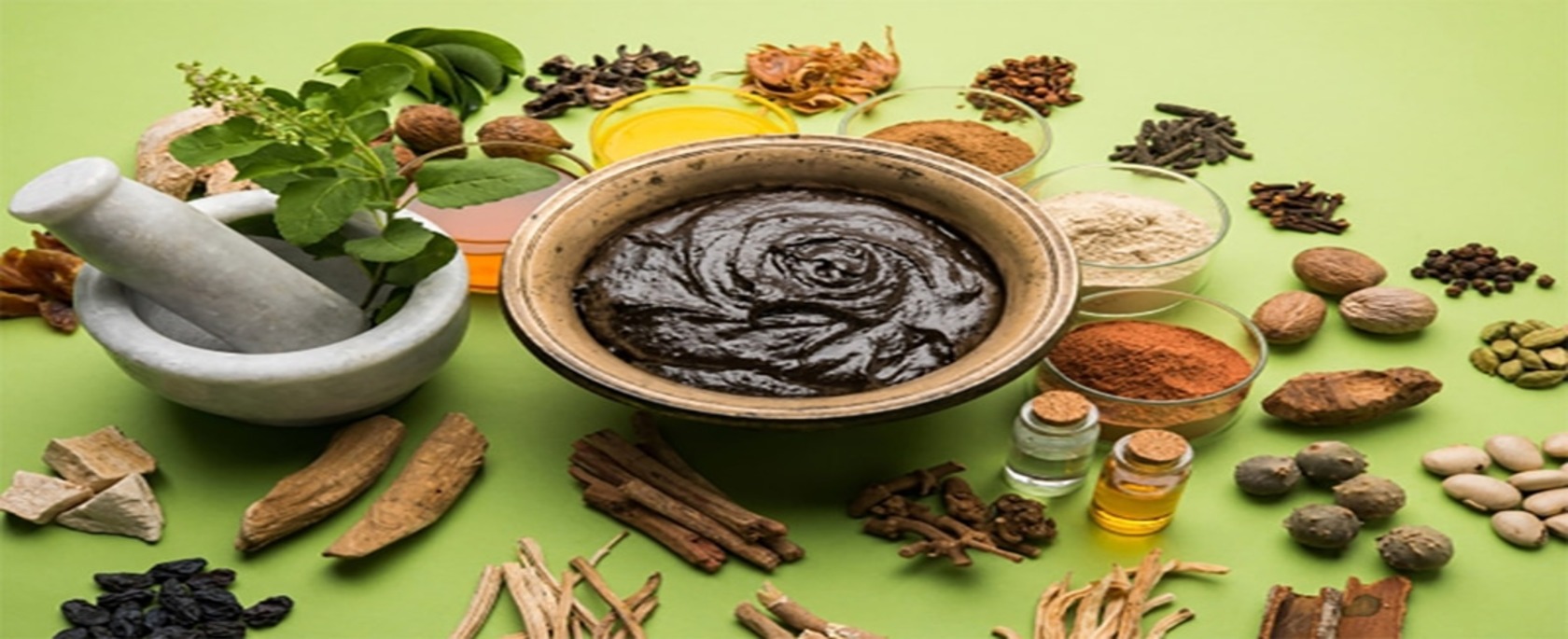
- Lepa (Herbal Pastes for Healing): Lepa is the application of herbal pastes to specific areas of the body to promote healing and reduce inflammation. In postpartum care, Lepa can be used to soothe the lower abdomen, back, or breasts, where there may be discomfort or strain. The pastes are made from herbs like Turmeric, Sandalwood, and Manjistha, which have anti-inflammatory and cooling properties. This practice is particularly useful for healing perineal tears, reducing swelling, and soothing sore muscles, offering a targeted and natural approach to postpartum discomfort.
The postpartum period is a time of deep healing and transformation, and Ayurveda offers a rich array of unique practices designed to support new mothers during this phase. These practices provide personalised and holistic care that addresses the physical and emotional needs of the mother.